If you are missing a tooth and wondering whether dental implants are safe and whether they last, you are not alone. At Start Smiling Dental Practice in Ingatestone, Essex, many patients ask us the same questions. This guide offers clear advice and gentle care insights, so you can move forward with confidence and decide if implants might be right for you.
Are Dental Implants Safe And Long Lasting?

Written By:
Start Smiling

Published Date:
Jul 14, 2026#Dental Implant#Dental Implants In Essex
What Is A Dental Implant?
A dental implant is a small titanium post placed gently into the jaw where a tooth is missing. It acts like a new root for your tooth. Over time, the implant naturally bonds with your bone, creating a stable foundation for a custom crown, bridge or denture.
Because the implant sits in the bone, it can feel secure when you chew and speak. It also supports the natural shape of your jaw over time. This careful planning aims to support comfortable function and natural-looking results.
Are Dental Implants Safe?
Dental implants are a well-established option when they are carefully planned and placed by trained clinicians. Titanium is widely used in healthcare, and most people tolerate it well.
Safety begins with a thoughtful assessment. At your consultation we look at your general health, gum health and bone levels, and we discuss any medicines you take. This helps confirm whether implants are appropriate for you and when the timing might be right.
A few simple steps also support safety:
A detailed plan, including X-rays or 3D scans where needed, so we understand your bone and your smile.
A clean, careful approach during the implant placement visit to support healing.
Clear aftercare instructions and review appointments, so you know what to expect.
Good daily home care to look after your gums.
If you feel anxious about treatment, sedation and relaxation dentistry are available at our practice. We work at your pace and explain each stage in plain English, so you feel calm, listened to and informed throughout.
How Long Do Dental Implants Last?
Implants are designed to be long lasting. Large studies report high survival rates, around 98 to 99 percent at three to five years, and close to 94 percent at 15 years. Many implants remain in place well beyond this with the right care.
As with natural teeth, longevity depends on healthy gums, careful cleaning and regular dental checks. Our team will tailor maintenance advice to you, so you know exactly how to look after your implant and feel confident day to day.
What Affects Implant Longevity?
Long-term success comes from several factors working together:
Oral hygiene. Daily plaque control protects the gums and the bone around the implant, helping it stay stable.
Gum and bone health. Healthy tissues create a strong foundation for comfortable chewing.
Bite forces. Balanced chewing spreads pressure evenly and reduces strain on the implant.
Lifestyle choices. Not smoking, or getting support to reduce smoking, helps healing and long-term stability.
Medical conditions. Well-managed diabetes and other conditions support better outcomes.
Regular reviews. Small changes can be spotted early and addressed promptly, which helps protect your investment in your smile.
At Start Smiling, we plan your case with these points in mind. Our aim is to help you enjoy comfortable function and a natural-looking result for many years.
Who Might Need Extra Planning Before Implants?
Implants are not the first step for everyone. Certain situations mean we may recommend preliminary care before considering placement:
Active gum inflammation. Gums need to be stable first, so your implant has a healthy home.
Insufficient bone. Sometimes bone grafting or a different approach can be discussed to support the implant.
Uncontrolled medical conditions. We may liaise with your GP to support safe timing.
Smoking. Stopping, even for a short period, can support healing and comfort.
Suitability can only be confirmed after a clinical assessment. Your personalised plan will be explained clearly, including any steps needed to prepare your mouth for treatment, so you can make a choice at a pace that feels right for you.
Your Implant Journey At Start Smiling
We believe that clear advice and gentle care help you feel at ease. Here is how the process typically unfolds.
Consultation And Assessment
You meet one of our dentists for a full examination. We discuss your goals, take X-rays and, where needed, arrange 3D scans to measure bone. We also review your medical history and answer your questions. This helps us plan care that suits your smile and lifestyle.
Personalised Plan
Your treatment options are explained clearly, such as a single implant crown, an implant-supported bridge or implant-retained dentures. You receive a clear plan that sets out the stages and expected timeline, so you know what will happen and when.
Implant Placement Visit
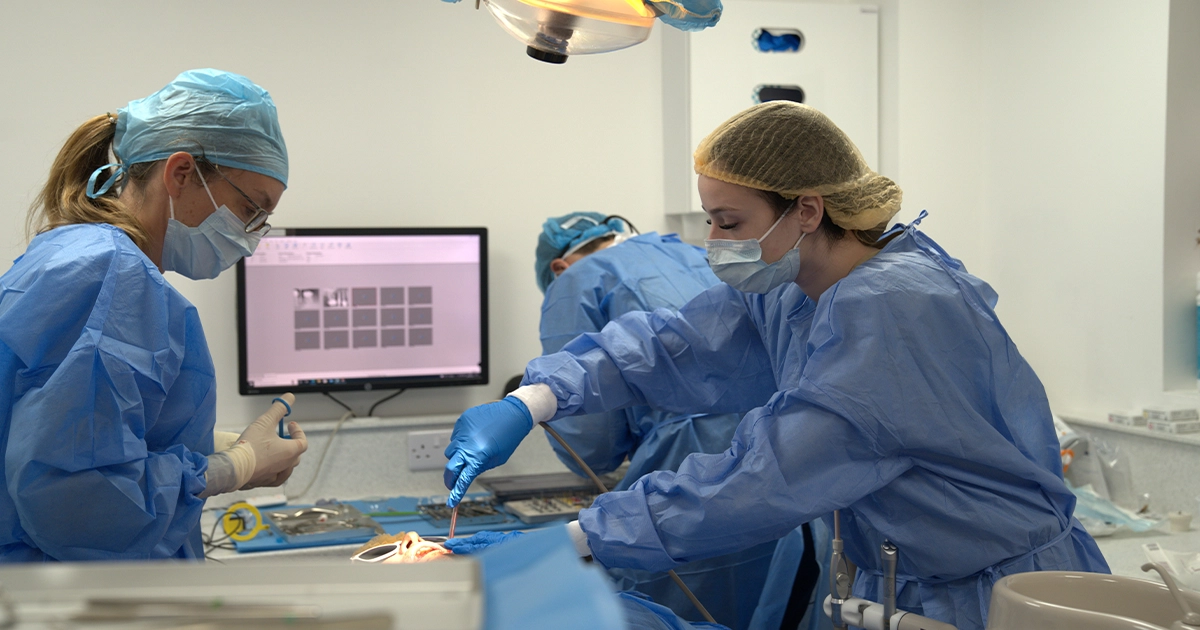
The implant is placed under local anaesthetic, or with sedation if you prefer. Most people describe a feeling of pressure rather than pain during the visit. You leave with aftercare instructions and a review appointment, so you feel supported from the first day.
Healing And Integration
Over the next few months the implant becomes part of your jaw’s structure as it bonds with the bone. A temporary solution may be provided to fill the gap during this period, depending on your case, so you can smile and eat more comfortably while you heal.
Restoration And Fit
Once healed, we take precise scans or impressions for your final replacement tooth or teeth. Your crown, bridge or denture is then attached, adjusted for comfort and checked for a balanced bite. We focus on natural-looking results that feel secure.
Ongoing Care
You are shown how to clean around the implant and advised on review intervals. Our hygienists can provide tailored cleaning techniques and tools to help you care for your implant at home, supporting long-term oral health.
Implant Options To Replace Missing Teeth
Different gaps call for different solutions. During your consultation, we guide you through the choices:
Single Tooth Implant
Replaces one missing tooth with a crown attached to one implant. This helps protect neighbouring teeth and can look and feel natural.
Implant-Supported Bridge
Replaces several teeth in a row using two or more implants to support a bridge, rather than relying on neighbouring natural teeth. This can improve chewing comfort and preserve tooth structure.
Implant-Retained Denture
Uses a small number of implants to hold a full or partial denture more securely. This can improve stability compared with a traditional denture, helping you eat and speak with more confidence.
Each option has its own benefits. We explain the differences clearly and help you weigh up function, appearance and maintenance so you can choose with confidence.
Looking After Your Implant Day To Day
Good home care is simple and makes a big difference:
Brush twice a day with a fluoride toothpaste for clean teeth and healthy gums.
Clean between the teeth and around the implant with interdental brushes or floss recommended by our team.
Keep to your review and hygienist appointments so we can monitor healing and long-term stability.
Contact us if you notice bleeding gums, soreness, a loose feeling or a change in how your teeth meet. Early advice helps protect your comfort.
With thoughtful care and timely advice, implants can remain comfortable and reliable for many years.
How Our Team Supports You Throughout Treatment
Our practice in the heart of Ingatestone is set up to make visits as comfortable as possible. We take time to listen, and we tailor treatment to your pace. Nervous about treatment? You can talk through sedation and relaxation techniques. Unsure which option to choose? Your dentist will explain choices in everyday language, using photos, models and scans to make the plan easy to understand.
We keep a close eye on long-term oral health too. Your implant is part of your whole smile, so we look after the surrounding teeth and gums as well. This joined-up approach supports stability, function and a result that looks natural.
Common Concerns, Answered Simply
During healing, a temporary solution may be possible so you can smile and eat more comfortably. We will discuss this at your assessment so you know what to expect.
Local anaesthetic keeps the area numb during placement. Any post-visit soreness is usually manageable with simple pain relief. You receive clear aftercare advice and we are on hand if you need us.
Age is not a barrier on its own. General health, bone levels and gum stability are more important. A consultation will help us advise you properly.
A Calm, Informed Path To A Confident Smile
Choosing an implant is a significant decision. With clear advice, gentle care and careful planning, many people enjoy secure teeth and renewed confidence. If you would like to explore whether implants are suitable for you, we would be pleased to help.
Start Smiling Dental Practice is based at 5 Market Place, Ingatestone, Essex, CM4 0BY. To arrange a personalised implant consultation, contact our friendly reception team or send us a message through our website. We will take the time to understand your goals and guide you through your options, so you can make the choice that feels right for you.



Related Blog


Frequently Asked Questions
If an implant, crown or attached tooth feels loose, avoid chewing on that side and call Start Smiling Dental Practice in Ingatestone as soon as you can. A prompt check can often prevent extra strain and helps us identify whether the issue is the implant itself or the restoration on top.
Try not to glue it back yourself or keep testing it with your tongue. Keep the area clean, avoid biting into hard foods, and contact our Ingatestone team for advice. In many cases, we can review it quickly and help you stay comfortable while healing continues.
It is usually best to take it easy for the first couple of days, especially with running, gym sessions or anything that raises blood pressure. Rest helps the area settle. We will explain when you can return to normal activity safely, based on your treatment and healing progress.
Many patients return to desk-based work the next day, especially after straightforward treatment. If your job is physical, public-facing, or involves heavy lifting, you may prefer a little more recovery time. We will give you clear advice based on your treatment plan and how you feel.
Some swelling can be expected in the first few days, but call us if it is getting worse rather than settling, or if eating, sleeping or speaking becomes difficult. Early advice can make things easier and helps us support your recovery before a small concern becomes more disruptive.
Choose softer, easy-to-manage foods for the first few days, such as yoghurt, soup, eggs, pasta or fish. Try to avoid very hot drinks, crunchy foods and chewing directly near the area. Gentle food choices can make recovery more comfortable and reduce unnecessary pressure while healing begins.