Choosing Between Porcelain And Composite Veneers

Start Smiling

Written By:

Start Smiling

icon

Published Date:

Jun 16, 2026
#Porcelain Veneers#Composite Veneers#Veneers Ingatestone

You may know veneers can transform the way a smile looks, but deciding between porcelain and composite can feel like a big choice. At Start Smiling Dental Practice in Ingatestone, Essex, our focus is clear advice and gentle care. This guide sets out the practical differences so you can arrive at your consultation feeling informed, calm and in control.

We explain how each option is made, how long they tend to last, what the treatment involves, and which factors usually guide the decision. Suitability always depends on your oral health and clinical assessment.

What Veneers Do

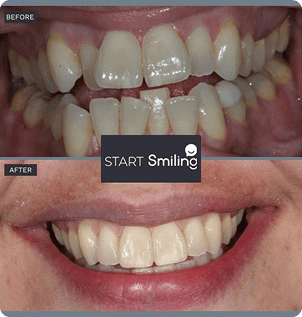
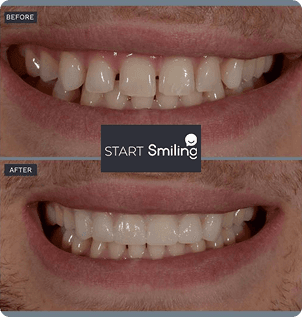
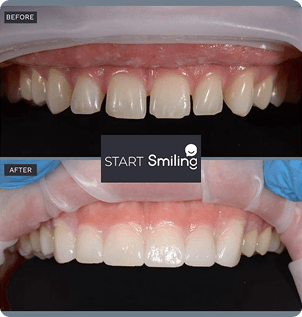
Veneers are slim covers placed on the front of teeth to improve shape, colour or spacing. They can disguise chips, small gaps, uneven edges and some discolouration. Careful planning, healthy foundations and precise placement support natural-looking results.

There are two main routes:

  • Porcelain veneers, crafted in a dental laboratory.

  • Composite veneers, shaped directly on the tooth with a tooth-coloured resin.

Porcelain Veneers: Lab-Made Precision

Porcelain veneers are designed and made outside the mouth from high quality ceramic, then bonded in place for a carefully tailored result that supports a confident smile.

What Patients Tend To Like

  • Natural look. Porcelain can be highly lifelike. It reflects light in a similar way to enamel and is very resistant to staining, which helps your smile look consistent over time.

  • Long-lasting results. With good home care and regular reviews, porcelain veneers can last around 10 to 15 years, supporting long-term oral health.

  • Smooth finish. The made-to-measure process often gives a precise fit and a refined surface that feels comfortable.

What To Consider

  • More than one visit. You usually attend for planning and tooth preparation, then return for placement once the lab work is ready. This supports accuracy.

  • Enamel adjustment. A small amount of enamel is usually removed to allow space for the veneer. We plan this carefully to keep it as minimal as possible.

  • Higher initial cost. Porcelain involves laboratory stages and typically represents a bigger upfront investment.

  • Suitability. Heavily worn or damaged teeth, or strong grinding habits, may need a different plan. Your dentist will assess this and explain options clearly.

Composite Veneers: Sculpted In The Surgery

Composite veneers are built directly on the tooth using tooth-coloured resin, then shaped and polished by your dentist for a conservative refresh that feels manageable as a first step.

What Patients Tend To Like

  • Often completed in one visit. Planning, shaping and placement can be carried out on the same day for many cases, which suits busy schedules.

  • Conservative approach. Enamel removal is often minimal because material is added rather than replaced, helping to preserve tooth structure.

  • Budget-friendly start. Composite usually has a lower initial cost than porcelain.

  • Easy to repair. Chips or wear can often be smoothed or added to without replacing the whole veneer, which makes maintenance straightforward.

What To Consider

  • Appearance over time. Modern composites look very natural, but they can stain more readily than porcelain and may be a little less translucent.

  • Durability. Composite veneers often need maintenance or replacement after about 5 to 7 years, depending on home care and bite forces.

  • Ongoing maintenance. Good brushing, regular hygiene visits and mindful food and drink choices help keep them looking their best.

Key Differences That Matter To You

Material and look. Porcelain offers excellent shine and long-term colour stability. Composite is very natural today, but can pick up surface stains sooner.

  • Procedure. Porcelain involves a planning visit and a fit visit. Composite is often completed in one appointment.

  • Tooth preparation. Porcelain usually needs more enamel adjustment. Composite can be more conservative.

  • Longevity. Porcelain typically lasts longer, composite is more maintenance-friendly.

  • Repair. Composite is straightforward to adjust. Porcelain repairs can be more involved.

  • Cost profile. Porcelain usually has a higher upfront fee. Composite can spread cost over time if repairs or upgrades are chosen later.

These points will be discussed in your consultation so you can weigh up what feels right for you.

Which Option Fits Your Situation

Every smile is different, and your choice should reflect your teeth, lifestyle and goals. During your consultation at Start Smiling, we explore points like:

  • Your aesthetic aim. If a highly polished, light-reflective finish is the priority, porcelain may be preferred. If subtle refinements are the goal, composite can work very well.

  • Tooth condition. Cracks, wear, old fillings and enamel thickness all influence preparation and material choice.

  • Habits and bite. If you clench or grind, we may advise a night guard and consider which material suits the load your teeth experience.

  • Timeframe. If you want a single-visit approach, composite can be appealing. If you have time for a lab stage, porcelain provides a durable result.

  • Long-term plan. If you see veneers as part of a staged journey, composite can be a useful starting step. If you want fewer changes over time, porcelain may be better.

How We Plan Veneers At Start Smiling

We take a supportive approach with clear advice at every stage. Your veneer journey at Start Smiling Dental Practice in Ingatestone typically includes:

A thorough consultation. We assess your oral health, gum condition and bite, and talk carefully about your aims. Suitability depends on this assessment.

Photographs and shade planning. We discuss tooth shape, proportion and shade with you, so the result still feels like you.

A conservative approach. We keep tooth preparation to the minimum needed for strength and appearance.

Options explained clearly. We set out the steps, likely maintenance and alternatives, so you can make decisions at your pace.

What To Expect During Treatment

Porcelain Veneers

  • Visit one. Consultation, planning and gentle tooth preparation where needed. We take impressions or scans for the lab, then place provisional covers if required to keep you comfortable.

  • Between visits. The laboratory crafts your custom veneers for a personalised fit.

  • Visit two. We check fit and appearance with you, then bond the veneers in place. We polish and provide aftercare guidance for day-to-day care.

Composite Veneers

  • Single appointment in many cases. After planning and shade selection, we prepare the tooth as needed. We place and sculpt the composite in layers, then cure and polish to a sheen for a natural look.

  • Review. We may arrange a short follow up to check comfort and make fine adjustments so your bite feels even.

Caring For Veneers And Protecting Results

Good home care supports long-term success for both materials.

  • Daily care. Brush twice a day with a fluoride toothpaste and clean between teeth with floss or interdental brushes to support gum health.

  • Hygiene visits. Regular professional cleaning helps protect the gum line and preserve the finish.

  • Sensible habits. Avoid opening packets with teeth, chewing pens or biting very hard foods at the front, which can stress edges.

  • Stain awareness. With composite, limit frequent exposure to strong tea, coffee, red wine and smoking. Porcelain resists stains well, but the surrounding natural teeth can still discolour, so balanced care is important.

  • Night guard if needed. If you grind your teeth, we can discuss a protective guard to reduce stress on your veneers.

This simple routine helps you enjoy a natural-looking result for longer.

Who Is Not Ready For Veneers Yet

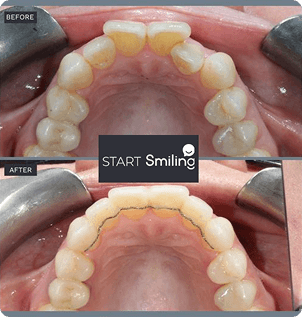
Healthy gums and teeth are essential. If there is decay, gum inflammation or unstable bite issues, we will address these first to support long-term oral health. Whitening may be considered before veneers if you want a brighter overall base shade. Clear aligners or other alignment options might be advised to correct larger misalignments before choosing veneers. We explain all options so you can choose the right order of care.

Why Patients In Ingatestone Choose Start Smiling

Patients often tell us they value how clearly we explain choices, and that appointments feel unhurried and comfortable. Our relaxing setting helps nervous patients feel at ease. You leave each visit knowing exactly what will happen next and why, with treatment options explained clearly.

A Straightforward Way To Decide

  • List your priorities. Is it appearance, speed, longevity, or minimal tooth adjustment?

  • Think about your habits. Be honest about coffee, tea, red wine and any clenching or grinding.

  • Consider time and maintenance. Are you comfortable with future touch-ups, or do you want fewer changes over time?

  • Book a consultation. A clinical assessment is the only way to confirm suitability and plan accurately.

Plan Your Veneers With Clear Advice

If you are considering porcelain or composite veneers, we would be pleased to guide you through your options. Visit us at Start Smiling Dental Practice, 5 Market Place, Ingatestone, Essex, CM4 0BY. You can contact our friendly reception team or send an enquiry through our website. If you are unsure what your next step should be, Start Smiling Dental Practice can assess your smile, explain your options clearly and help you plan care with confidence.

bg

Frequently Asked Questions

Rinse your mouth gently with warm water, keep any pieces if you can find them, and avoid chewing on that side. If there is swelling, use a cold compress on your cheek. Contact an emergency dentist in Ingatestone as soon as possible so the tooth can be assessed promptly.
Yes, in many cases they can. Keep the crown safe, do not try to force it back into place, and avoid sticky or hard foods until you are seen. An emergency dentist in Ingatestone can check the tooth underneath and advise whether the crown can be re-cemented or needs replacing.
Yes, it is sensible to call. Swelling can still point to infection or irritation even if the area is not especially painful yet. An emergency dental assessment in Ingatestone can help find the cause early and reduce the chance of the problem becoming more difficult to manage.
Yes, especially if the pain is keeping you awake, worsening quickly, or making it hard to eat or concentrate. Sudden toothache often means something needs attention rather than watching and waiting. An emergency dental appointment can help identify the cause and settle things before it becomes more disruptive.
Stay calm, check for bleeding, and ask them to rinse gently with water. A cold compress can help if the lip or cheek is sore too. Even a small chip is worth checking, as an emergency dentist can assess the tooth, ease discomfort, and explain the next step clearly.
Stick to soft foods, avoid very hot or very cold drinks if they trigger discomfort, and keep the area as clean as you can with gentle brushing. Take pain relief only as directed on the packet. Try not to poke the area, as this can make irritation worse.

We use cookies to improve your browsing experience. You can accept all, reject all, or manage your preferences.