A warm, parent-friendly guide that explains how dentists assess tooth development in children, what to expect at check-ups, when X-rays are suitable, and how Start Smiling in Ingatestone supports your family at every stage.
How Dentists Assess Tooth Development in Children

Written By:
Start Smiling

Published Date:
Nov 04, 2026#Children’s Dentistry#Child Dental Care
What tooth development means and why it matters
Tooth development is the way your child’s teeth form and appear in the mouth over time. It includes the order and timing of tooth eruption, spacing, enamel quality, how the bite meets, and how the jaws grow. This guide explains how dentists assess tooth development in children in a calm, child-centred way.
At Start Smiling Dental Practice in Ingatestone, Essex, we keep assessments gentle and straightforward. Regular checks help us spot small changes early and guide simple steps at home. If you are looking for supportive, local care, our dentistry for children service is designed to help families start well and stay on track.
Why tracking children’s tooth development is important
Early detection of delayed eruption, crowding, enamel defects or missing teeth.
Healthy development supports clear speech, comfortable chewing and facial growth.
Timely preventive advice and, when needed, referral. Early monitoring often means simpler solutions.
What dentists look for at each stage
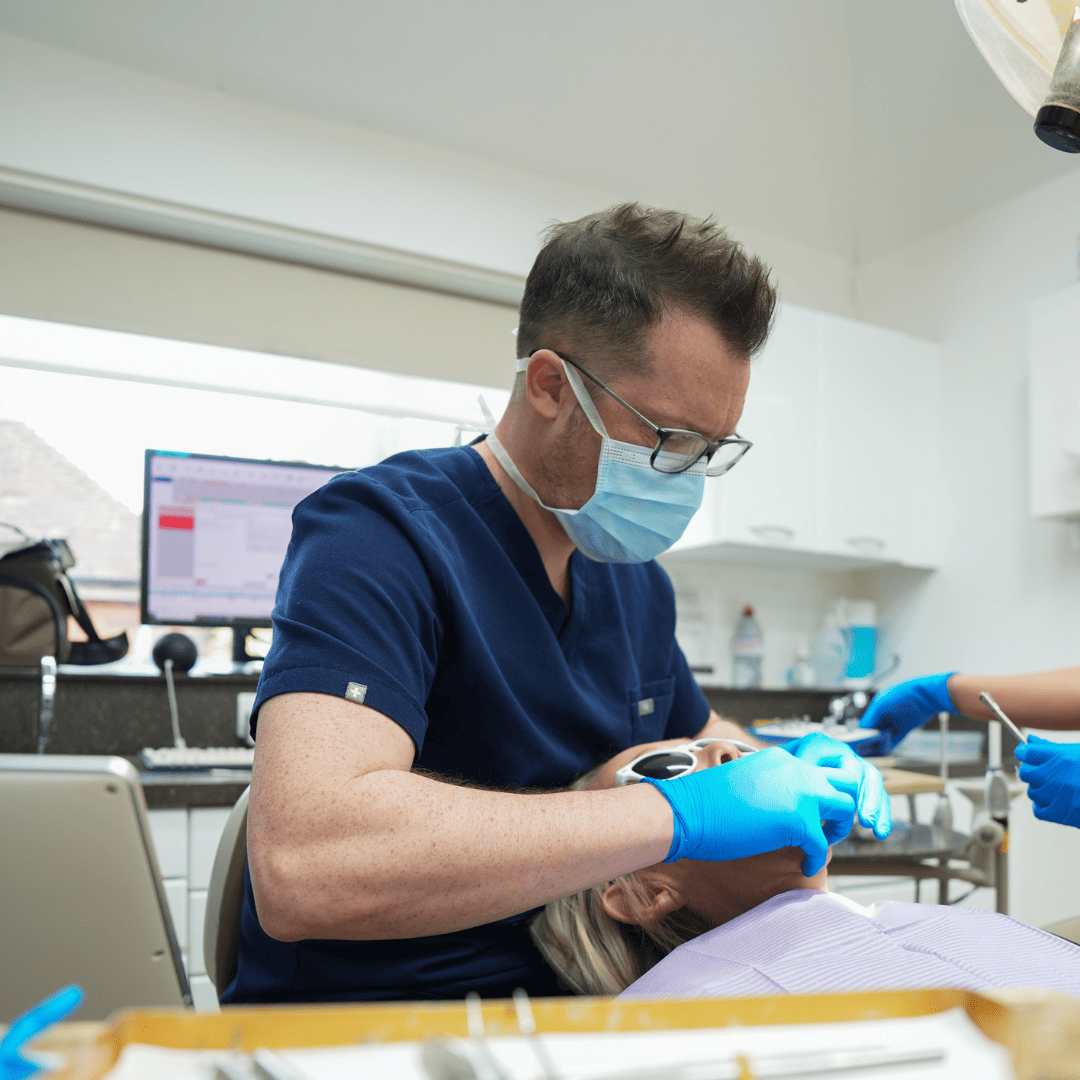
During a paediatric dental check-up we review how your child’s smile is changing over time. We check:
Eruption timing and order. Teeth often arrive in pairs. We compare sides for symmetry and follow a typical tooth eruption timeline.
Spacing and crowding. Gaps in baby teeth are normal and help make room for larger adult teeth. Tight spacing may suggest future crowding.
Bite and jaw growth. We assess how upper and lower teeth meet, and note jaw patterns that might benefit from an orthodontic opinion later.
Enamel quality, size and shape. We look for marks or defects that may need protection, and confirm teeth are forming as expected.
Gum and soft tissue health. Healthy gums, lips and cheeks support comfortable development.
Habits that influence development. Thumb or dummy use, mouth breathing or tongue posture can affect alignment and growth.
We also talk through tooth eruption in children so parents know what is likely to happen next.
Assessment method 1: Gentle clinical examination
Most assessments are hands-on and simple. At routine visits we will:
Gently count the teeth and compare to expected milestones for your child’s age. This is sometimes called dental age assessment because we compare the mouth to typical patterns for that stage of growth.
Check the gums, tongue, lips and cheeks, and review daily cleaning. If needed, we show better angles for brushing and where plaque tends to hide.
Record findings so we can track changes over time. This creates a clear growth and eruption history for your child.
These visits are part of our everyday general dentistry care. We keep things calm and positive, explain what we are doing and give young patients time to get used to the dental chair.
Assessment method 2: When and why X-rays are used
Children’s dental X-rays are not routine at every visit. They are taken only when clinically justified to see what we cannot view directly, such as unerupted adult teeth, root development or the contact points between back teeth. X-rays are recommended only if suitable for your child on the day.
X-rays can help us:
Check for missing or extra teeth, or teeth that are following an unusual eruption path.
Spot early decay between teeth that may not be visible to the eye.
Review jaw development and confirm timing for an orthodontic opinion when relevant.
Safety matters. We follow strict protocols and child-sized exposure settings, in line with the ALARA principle, which means keeping radiation As Low As Reasonably Achievable. If an X-ray is advised, we explain why it is helpful and what it will show before we proceed. For clarity, we use the term children’s dental X-rays to describe these targeted images. They are quick and comfortable, and we only take them when the expected benefit outweighs the minimal risk.
Additional tools that may help
Clinical photographs to document growth and track changes.
Simple bite and jaw checks, with referral for orthodontic assessment if needed.
A friendly chat about habits, such as thumb or dummy use, with tailored weaning advice.
When to start and how often to visit
NHS advice is to bring your child for their first dental visit when the first tooth appears or by their first birthday. Early visits help children feel relaxed and make future assessments easier.
We will agree a recall plan based on your child’s needs and risk of tooth decay, often every 6 to 12 months. Some children may benefit from more frequent reviews for a short period, for example if we are monitoring a tooth that is slow to erupt.
Common variations vs red flags
Every child is different. These pointers can help you decide when to ask for advice.
Normal variations
Small timing differences compared to friends or siblings.
Gaps between baby teeth. These are common and useful for future adult teeth.
Mildly wobbly baby teeth around the time their replacements are due.
Red flags that should be checked
No baby teeth by around 12 months.
Noticeable left and right differences in eruption over several months.
A baby tooth that remains long after its pair on the other side has fallen out.
Persistent pain, swelling, or signs of infection.
Obvious enamel defects such as chalky patches, chips without injury, or teeth that seem sensitive.
If your child has pain, swelling, dental trauma, or you are worried about delayed eruption, please contact us for advice. This information is not a diagnosis. For severe swelling, difficulty breathing or swallowing, or if your child is very unwell, seek urgent medical help.
How Start Smiling supports children and families
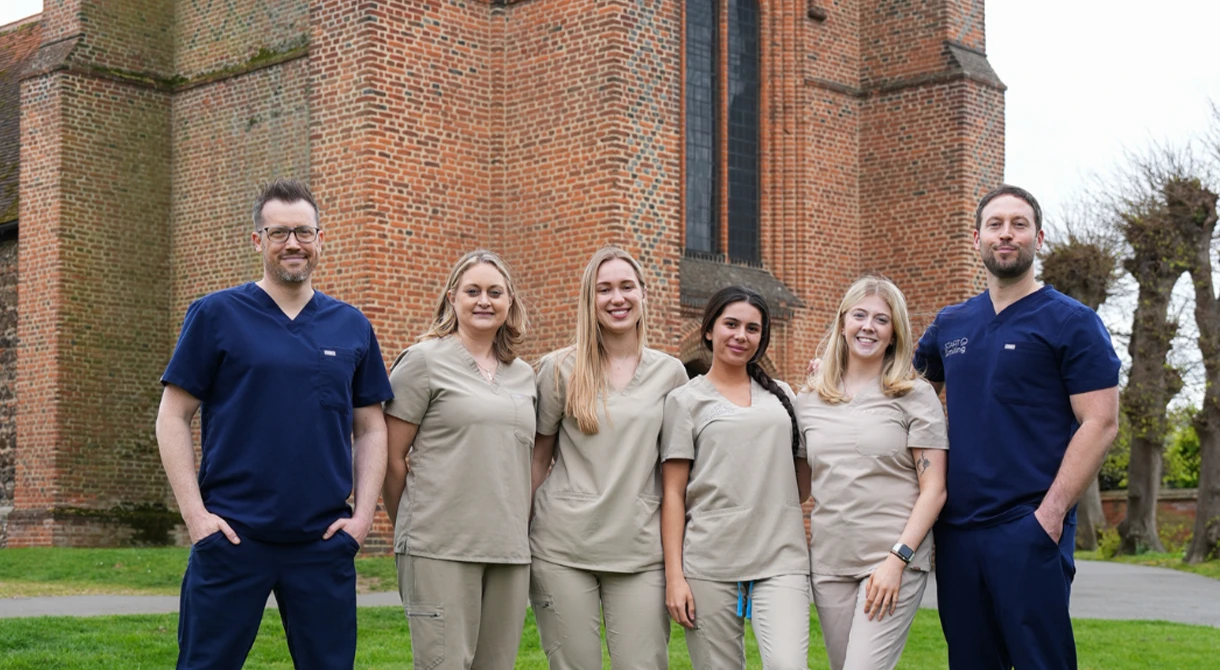
Our team welcomes children and nervous patients. We take care at your pace and explain each step. We focus on prevention first, with simple tips you can use at home and clear follow-up plans when needed. If you are new to us, our new patients page explains how to get started and what to expect at your first visit.
As a family dentist in Essex, we work closely with local orthodontic and paediatric colleagues. If we think a specialist opinion would help, we arrange timely referrals and share clear notes. Suitability for any test or treatment is always confirmed after clinical assessment at a consultation.
Home care tips to aid healthy development
Brush twice daily. For under 3s, use a smear of toothpaste with at least 1,000 ppm fluoride. From age 3, use a pea-sized amount with 1,350 to 1,500 ppm fluoride, unless we advise otherwise. Supervise brushing and encourage spitting rather than rinsing.
Keep sugary foods and drinks to mealtimes. Offer water and milk between meals.
Manage habits. If your child uses a thumb or dummy, we can discuss gentle weaning around age 3 to 4 to support jaw and tooth alignment.
Use well-fitting mouthguards for contact sports.
For extra preventive support, our dental hygiene team can show brushing techniques and advise on age-appropriate fluoride and cleaning aids.
Next steps in Ingatestone
If you would like a friendly, local check for your child’s teeth, we would love to help. Book a child-centred paediatric dental check-up with our team at Start Smiling Dental Practice, 5 Market Place, Ingatestone, Essex, CM4 0BY. Call 01277 353456 or contact Start Smiling Dental Practice. We can advise on suitability for any suggested tests or treatments at your consultation.
As your Ingatestone dentist for children, we provide clear advice, gentle care and steady guidance from the first tooth through to the teenage years.





Frequently Asked Questions
We compare what we see to expected milestones for age, check symmetry, spacing, bite and enamel, review habits and, when needed, take targeted X-rays.
Yes when clinically justified. We use child-appropriate, low-dose settings and follow the ALARA principle. We explain why an X-ray is helpful beforehand.
Appointments are tailored to your child’s needs, often every 6 to 12 months. We may see some children more often for short periods to monitor changes.
By the first tooth coming through or by age one. Early visits build confidence, help prevent problems and make it easier to track development.
No teeth by about 12 months, marked left-right differences over months, retained baby teeth, pain, swelling or enamel defects. If unsure, ask us for advice.
Prolonged habits can influence tooth position and jaw growth. We can suggest gentle weaning strategies, usually around age 3 to 4, to support development.