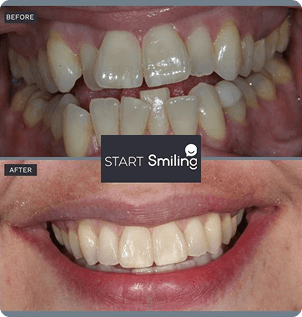
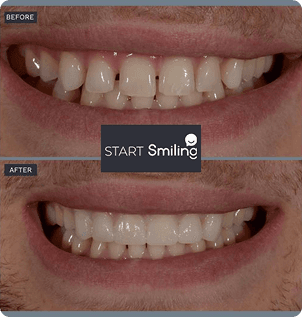
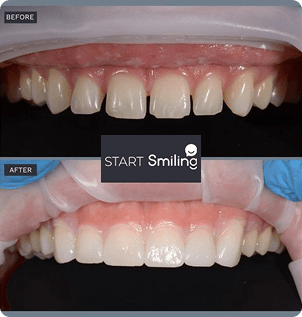
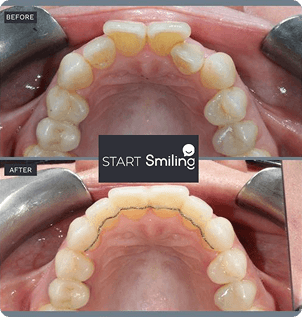
Thinking about straighter teeth but not quite ready for fixed braces? Clear aligners could be a practical and discreet way to move your teeth gently. At Start Smiling Dental Practice in Ingatestone, Essex, we plan teeth straightening carefully and explain every step clearly, so you can make decisions with confidence.
What Are Clear Aligners And How Do They Work

Written By:
Start Smiling

Published Date:
Aug 04, 2026#Teeth Straightening#Clear Aligners#NiTime Aligners
What Are Clear Aligners
Clear aligners are sets of custom-made, transparent trays that fit closely over your teeth. You wear each set for a short period, usually one to two weeks, then move to the next set in the sequence. Each change applies gentle, targeted pressure to guide your teeth towards a planned position.
Because the trays are removable, you take them out for eating, drinking anything other than cool water, brushing and flossing. This makes daily hygiene more straightforward than with fixed braces. The trays are made from smooth plastic, so there are no brackets or wires to rub.
How Clear Aligners Move Teeth
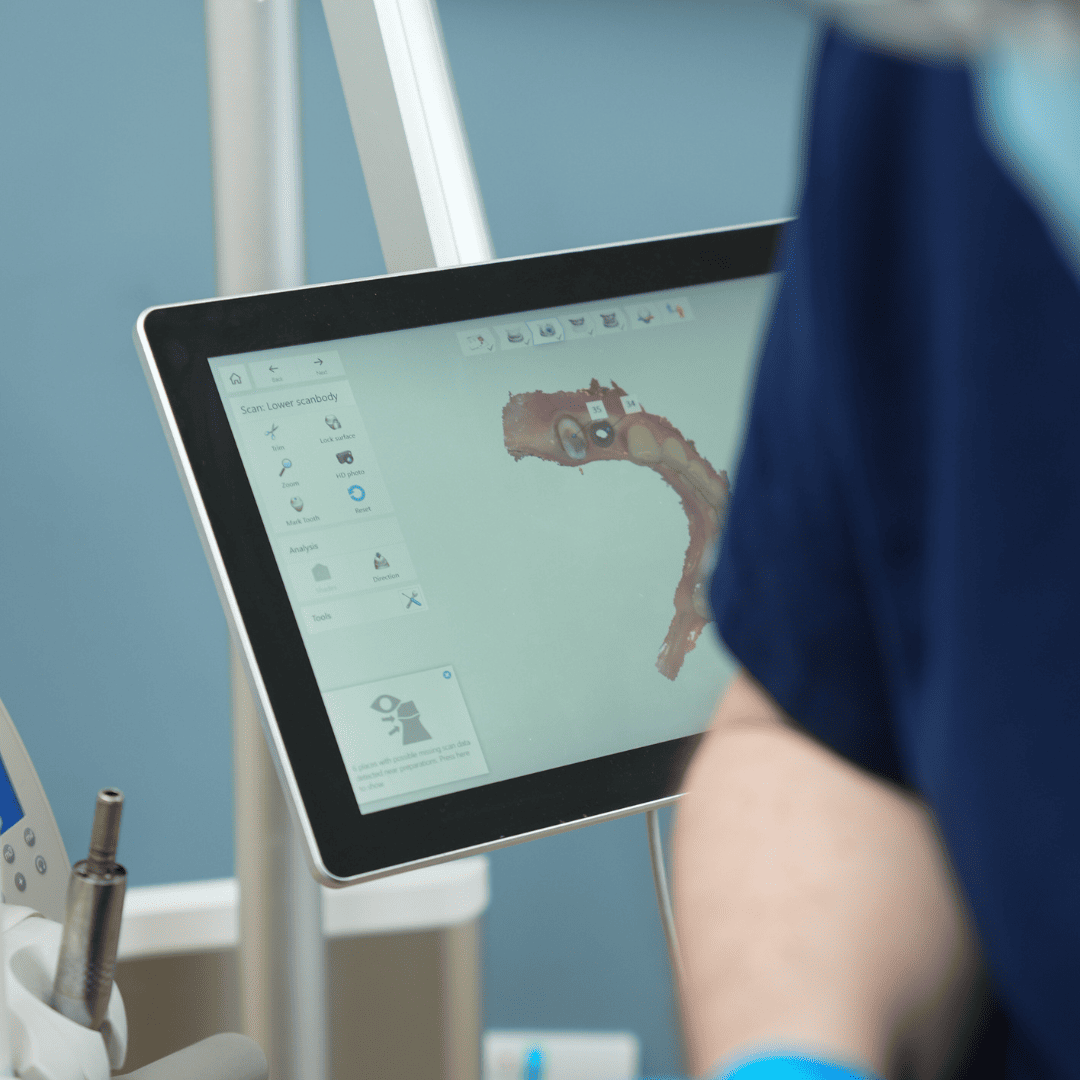
Teeth move when consistent, carefully controlled forces are applied. Clear aligners create these forces with very small changes in each tray. We plan these changes digitally using scans and photographs of your teeth, so you can see the direction of travel in advance and feel confident about the plan.
Sometimes small tooth-coloured attachments are placed on certain teeth. These act like gentle handles to help the aligner grip and guide movement more precisely. Your dentist may also recommend polishing very small amounts of enamel between some teeth, a process called interproximal reduction, to create a little space where needed. Steps like these are only suggested after a clinical assessment and a clear discussion with you.
Your Step-By-Step Journey At Start Smiling
Consultation and assessment. Your first visit focuses on suitability. We examine your teeth and gums, talk about what you would like to change, and take digital scans and photos if appropriate. If X-rays are needed, we will explain why, so you feel informed from the start.
Personalised plan. Using digital planning, we map out the predicted stages of movement. We show you what is realistically possible and how long treatment is likely to take. Treatment options are explained clearly, including what may be best done now and what can be planned later.
Aligner fit. When your aligners arrive, we check the fit carefully, place any agreed attachments and show you how to insert and remove your trays. You will be advised to wear them for 20 to 22 hours per day for the best progress.
Regular reviews. We usually see you every 6 to 8 weeks to monitor progress, answer questions and make any adjustments. If a refinement stage is needed to fine-tune certain movements, we will talk this through with you.
Completion and retention. When your teeth reach their planned position, we provide retainers to help keep them stable. Retainers are essential for long-term results and we will explain how to use and care for them.
We offer teeth straightening with clear aligners, including options such as NiTime Aligners when clinically appropriate. Your dentist will advise if a particular system suits your needs and lifestyle, so your care is planned around you.
Who May Be Suitable
Clear aligners can work well for adults and older teenagers with:
Mild to moderate crowding
Small gaps between teeth
Some minor bite issues
More complex bite or jaw concerns may be better managed with other orthodontic approaches. Healthy gums are important for any orthodontic treatment, so we always check gum health and hygiene first. Suitability is confirmed only after a full clinical assessment, as the right choice depends on your teeth, gums, goals and long-term oral health.
Everyday Life With Aligners
Clear aligners are designed to fit in with daily routines. Most people adapt quickly, and it helps to know what to expect:
Speaking. You may notice a slight lisp for a day or two as you get used to the trays. This usually settles with practice.
Eating and drinking. Remove aligners for meals and hot drinks. Rinse your mouth and aligners before putting them back in, so your oral health stays on track.
Comfort. It is normal to feel gentle pressure, especially with a new set. Any tenderness often settles within 24 to 48 hours.
Sport and travel. Because aligners are removable, you can take them out for contact sport and wear a mouthguard if needed. When travelling, carry your next set and a storage case, so you can stay on schedule.
Oral hygiene. Brush after meals before reinserting your aligners. Clean trays daily with lukewarm water and a soft brush. Avoid hot water which can distort the plastic.
These small habits make day-to-day wear easier and support steady progress.
A Simple Daily Routine
Wear aligners as directed, usually 20 to 22 hours a day.
Change to your next set on the schedule we provide.
Keep trays in their case when not in use, to keep them clean and safe.
Brush and floss thoroughly, and do not put aligners back in over food debris.
Let us know promptly if a tray cracks, is lost or feels unusually uncomfortable, so we can help you stay on plan.
A clear routine helps you stay confident about your progress and your long-term oral health.
Benefits To Consider
Discreet appearance. The clear material makes them less noticeable in everyday life, so you can smile and talk with confidence.
Removability. Eating, drinking and brushing are more straightforward when you can remove your trays, which supports gum health and fresh breath.
Comfort. Smooth edges can reduce rubbing on cheeks and lips, helping day-to-day comfort.
Fewer repairs. There are no brackets to come loose and no wire adjustments, so visits can be simpler.
Like any orthodontic option, aligners rely on commitment. Wearing them for the recommended hours and following the plan closely are key to achieving the expected result.
What To Consider Before Teeth Straightening
Your goals. Share the specific changes you would like to see. We will be honest about what clear aligners are likely to achieve for your teeth, so you can decide with clarity.
Time and routine. Success depends on daily wear. If your schedule is unpredictable, we will discuss ways to stay on track, or whether an alternative might suit you better.
Attachments. Small tooth-coloured attachments may be used for control. These are visible at close range, though most people do not notice them in day-to-day life.
Space creation. Minor enamel polishing may be advised for crowded areas. This is planned carefully and explained in advance, so you know exactly why it is recommended.
Retention. Teeth can naturally drift over time. Long-term retainer use is the best way to help keep your new alignment stable.
These points are covered in detail at your consultation, so you have clear advice before you decide.
Retainers And Long-Term Stability
When treatment finishes, retainers take over the important job of holding your teeth in their new position while the supporting tissues settle. There are two main types:
Removable retainers. Clear trays worn as advised, often at night.
Fixed retainers. A thin wire bonded discreetly behind the front teeth.
We will recommend a retention plan tailored to you. Good hygiene and regular dental check-ups help protect long-term oral health, and we will review your retainers at routine visits.
Our Supportive Approach In Ingatestone
Patients often tell us that clear, patient-friendly explanations make all the difference. At Start Smiling, we make time to talk through your options, outline likely timelines and answer questions in plain English. Our calm, relaxing setting in the centre of Ingatestone is designed to help you feel comfortable throughout your visits. You will see the same friendly team who understand your goals and guide you at your pace.
Our focus is not only on moving teeth, but also on protecting gum health and the function of your bite. Careful planning supports natural-looking results that suit your face and smile.
What To Expect At Your First Aligner Visit
A warm welcome at our practice, 5 Market Place, Ingatestone, CM4 0BY.
A conversation about what matters to you, such as discretion, timescales and any past orthodontic experiences.
A gentle clinical assessment to check suitability, including your gum health and any signs of tooth wear.
Clear advice on treatment options, including whether clear aligners, NiTime Aligners or another approach may be considered for you.
You can take this first step at a pace that feels manageable, with steady guidance from our team.
Next Steps
If you are weighing up clear aligners, a consultation is the best way to understand your choices. Contact our reception team to arrange an appointment at Start Smiling Dental Practice in Ingatestone, Essex. We will explain your options clearly, plan your care carefully and support you from your first scan to your final retainer, so you can move forward with confidence.





Frequently Asked Questions
Keep your previous aligner and wear it if it still fits, then call Start Smiling Dental Practice in Ingatestone as soon as you can. This helps prevent unwanted movement while your dentist advises whether to move forward, go back one stage, or order a replacement.
Put them back in as soon as you remember and wear them for the full advised hours that day. If they feel noticeably tighter than usual or do not seat properly, contact Start Smiling in Ingatestone for guidance before switching to the next set.
Some pressure is normal with a new tray, but a sudden big change can mean the aligners have been left out too long or are not tracking properly. Wear them as advised and call your dentist in Ingatestone if the fit feels clearly wrong.
A small crack may not always stop you wearing it briefly, but do not try to trim or fix it yourself. Contact the Ingatestone team promptly so they can advise the safest next step and help you avoid losing progress or irritating your gums.
Yes, but brush your teeth before putting them back in, especially after sugary or acidic drinks. This simple step helps protect your teeth, keeps the trays fresher, and reduces the chance of staining or trapping residue against your enamel overnight.
Usually not, but plan ahead before you travel. Bring your current and next aligners, your case, and cleaning essentials, and keep them in hand luggage. If you are unsure about changeover dates, Start Smiling Dental Practice in Ingatestone can help you plan around your trip.