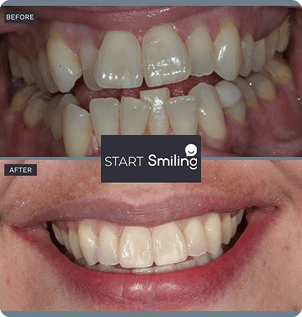
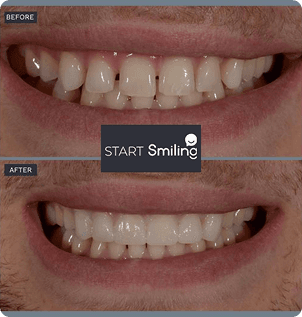
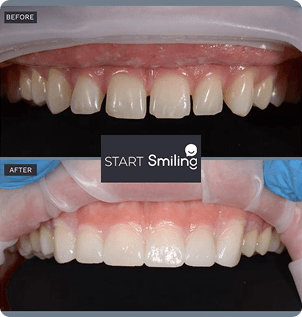
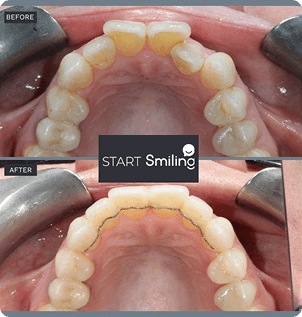
Comparing clear aligners and fixed braces in Essex. Explore aligners vs braces pros and cons for comfort, visibility, hygiene and time, then book a free consultation for teeth straightening Ingatestone.
Clear Aligners vs Braces: Pros, Cons and Differences

Written By:
Start Smiling

Published Date:
Sep 25, 2026#Braces
Thinking about straighter teeth? Start here
If you are considering straighter teeth in Essex, you may be weighing up clear aligners vs braces and wondering which suits you best. Both approaches can move teeth when planned and supervised by a dental professional after a full assessment. The right choice depends on your teeth and bite, your daily routine, and what matters most to you for comfort and visibility. If you are searching for clear aligners Essex or braces Essex, this guide compares aligners vs braces pros and cons and helps you prepare for a consultation.
At Start Smiling Dental Practice in Ingatestone, we will guide you through your teeth straightening options with a personal assessment, clear advice and steady support. This overview focuses on how each option looks, feels and fits into life in Essex, and where each tends to work best.
What are clear aligners and how do they work?
Clear aligners are a series of custom-made, removable plastic trays that move teeth gradually. You switch to a new set every one to two weeks as advised. These removable aligners are typically worn 20 to 22 hours a day and are taken out for eating, drinking anything other than water, and brushing and flossing.
They can be suitable for many mild to moderate concerns, such as crowding, spacing and selected bite refinements, subject to clinical assessment and oral health readiness. Because they are removable, aligners fit well around busy work, school and social routines. You can brush and floss as normal, which helps gum health during treatment.
We also offer an evening-focused option, NiTime Aligners, for suitable cases. These may suit you if you prefer more wear time in the evening and overnight. Your clinician will confirm whether this is appropriate for your teeth and bite.
People often ask, are clear aligners effective? For the right cases and with consistent wear, they can be very effective. Clear aligners for adults are popular for their low visual impact and flexibility.
What are fixed braces?
Fixed braces use small brackets bonded to each tooth and a wire that connects them. They work around the clock, which helps with complex tooth movements and more involved bite corrections. Options include metal brackets and tooth-coloured ceramic brackets that are less noticeable. Ceramic styles are sometimes called invisible braces in everyday conversation, although they can still be seen at close range.
Because braces stay on your teeth, cleaning takes extra care and time, and you will need to avoid hard or sticky foods that can damage brackets and wires. If fixed braces are the best route for your goals, we will advise you and can refer you to a trusted local orthodontic specialist.
Clear aligners vs braces: a side by side look
When choosing fixed braces vs aligners, it helps to think about day-to-day life as well as clinical suitability.
Appearance: Clear aligners are very discreet. Fixed braces are visible, though ceramic options blend more with your teeth.
Comfort: Aligners have smooth edges and are often comfortable to wear. Braces can rub at first on cheeks and lips, though this usually settles and orthodontic wax can help.
Hygiene: Aligners are removable, so brushing and flossing is straightforward. With braces, you will need extra time and tools to clean around brackets and wires.
Eating: Aligners come out for meals, so you can eat a normal diet. With braces, avoid hard or sticky foods that can bend wires or dislodge brackets.
Discipline: Aligners rely on consistent wear, usually 20 to 22 hours a day. Braces are fixed in place, so you do not need to remember to wear them.
Appointments: Both options need regular check-ins. Braces may require more in person adjustments to change wires. Many aligner reviews can be shorter and may be spaced out, depending on your plan.
Suitability: Aligners tend to be best for mild to moderate crowding, spacing and selected bite improvements. Braces are often preferred for complex rotations, significant tooth movements and major bite corrections.
How long does treatment take?
Timelines vary because every smile is different and careful planning matters. Your dentist or orthodontist will discuss your individual plan with you after assessment.
Clear aligners: Often around 6 to 18 months for suitable cases, depending on movement complexity and consistent wear.
Fixed braces: In the UK, comprehensive treatments commonly take 18 to 36 months, depending on case type and goals.
If you are wondering how long do braces take UK, the answer depends on your bite, the movements needed and how you respond to treatment. With both approaches, you will need retainers after treatment to help keep your teeth in their new positions.
Who is each option best for?
Clear aligners: Adults and teens with mild to moderate crowding or spacing, small bite refinements, or relapse after past braces. A good choice if you value discreet treatment and flexibility with removable aligners. Suitability is confirmed after a full clinical assessment.
Fixed braces: Cases that need more complex movements, significant tooth rotations or major bite changes. Braces provide continuous control that can help with these goals. Your dentist may advise a referral to a specialist where appropriate.
There is no upper age limit for either option, provided your mouth is healthy. Growing patients may follow different treatment pathways, which we will discuss during your assessment or with a specialist orthodontist if we refer you.
Oral hygiene and day to day care
Whichever route you choose, good oral hygiene protects your teeth and gums during treatment.
With aligners: Remove trays to brush and floss after meals. Rinse and clean your aligners as instructed. Avoid hot water that can warp trays, and avoid coloured drinks while wearing them.
With braces: Use interdental brushes around brackets and under the wire. Floss with threaders or superfloss. Use fluoride toothpaste and take your time to clean each tooth surface carefully. These tips make cleaning teeth with braces much easier.
Regular hygienist care helps keep gums healthy throughout treatment. Learn more about maintaining your smile and consider booking professional dental hygiene appointments during your orthodontic journey.
How we keep treatment safe
Your wellbeing comes first. We only begin treatment after a full dental and orthodontic assessment to confirm suitability and oral health readiness. All orthodontic treatment options should be supervised by a qualified dental professional. If you have any problems, such as a broken bracket or an aligner that no longer fits, contact us promptly so we can help. Post-treatment retainers are necessary to maintain results and we will advise you on wear.
Your next step with Start Smiling in Ingatestone
Your journey starts with a comprehensive assessment at our practice at 5 Market Place in Ingatestone, Essex. We will take photos and, where appropriate, a digital scan, talk through your goals and create a tailored plan.
We will advise if clear aligners, including NiTime Aligners, suit your needs. If fixed braces are more appropriate, we will explain why and arrange a referral to a trusted orthodontic specialist. Our team offers friendly, supportive care for nervous patients and can help you plan visits around a busy schedule.
To explore your orthodontic treatment options, book a free smile consultation. If you are planning teeth straightening Ingatestone, you may also enjoy our blog on how to smile with confidence as you prepare for treatment.




Frequently Asked Questions
For many mild to moderate concerns, clear aligners are very effective when planned and supervised by a dentist. Braces may be recommended for more complex tooth movements or major bite corrections.
Aligners often take 6 to 18 months for suitable cases. Fixed braces commonly take 18 to 36 months in the UK, depending on case complexity and goals.
Brush twice daily with fluoride toothpaste, clean between teeth every day, and follow the care advice for your appliance. Regular hygienist visits also help keep gums healthy.
Aligners can address some bite refinements. For significant bite changes, fixed braces, sometimes with additional techniques, are often more suitable. An assessment will confirm what is right for you.
You may feel pressure or tenderness when you change aligners or after brace adjustments. This usually settles within a few days. Simple pain relief and a soft diet can help if needed.
You will have regular reviews with both. Braces often need in person adjustments. Aligner reviews may be spaced out, with occasional longer visits for checks and refinements as needed.