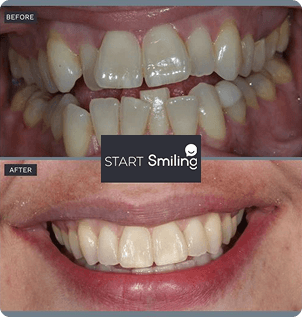
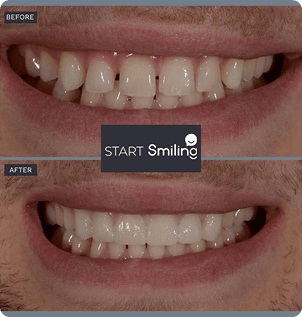
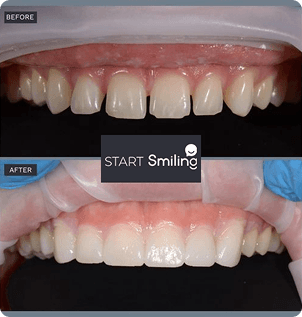
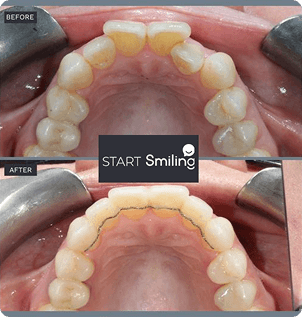
Thinking about whitening but unsure how it really works? Many people search for teeth whitening and simply want clear, safe advice. This guide explains how teeth whitening works in plain English, what treatment can and cannot change, and how to care for your new shade. Our team at Start Smiling in Ingatestone offers dentist supervised whitening planned around your teeth, lifestyle and goals.
How Teeth Whitening Actually Changes Tooth Colour

Written By:
Start Smiling

Published Date:
Aug 18, 2026#Smile Makeover#Teeth Whitening Essex
Introduction: What whiter teeth really means
When we talk about teeth whitening, we mean changing the perceived shade of natural teeth. Whitening lightens the internal colour and can help lift stubborn stains. It is different from a scale and polish. A professional clean removes plaque and surface staining but does not change the internal colour of tooth tissues.
With dentist supervised whitening, we assess your smile, provide custom-made trays and prescribe the right gel and wear time. This approach helps you aim for a natural-looking result while keeping your teeth and gums comfortable.
Tooth colour 101: Enamel, dentine and types of stains
Enamel is the outer, semi-translucent layer. It is tough but allows light to pass through.
Dentine sits beneath enamel and gives much of the natural tooth hue, often a creamy or slightly yellow tone.
Discolouration can be:
Extrinsic stains. These sit on the surface and come from tea, coffee, red wine, curry spices and tobacco. A hygienist clean and whitening can help, depending on depth.
Intrinsic stains. These are within the enamel or dentine. Ageing, tiny cracks, trauma, certain medications and long-term staining can cause deeper colour change. These can be more challenging and may need a tailored whitening plan or additional cosmetic options.
Understanding intrinsic vs extrinsic stains matters. It helps us choose the most effective treatment and set realistic expectations for your likely shade range.
The chemistry of whitening: How peroxide gels lighten teeth
Dentist-prescribed gels use hydrogen peroxide or carbamide peroxide. Both release oxygen-based molecules that can pass through enamel safely. Inside the tooth, these tiny molecules break down long-chain, dark-coloured stain molecules into shorter, lighter ones. This oxidation process reduces how much light is absorbed and scattered, so your teeth appear brighter.
Key points that affect results:
Concentration. Professional hydrogen peroxide teeth whitening or carbamide peroxide whitening uses regulated strengths chosen for your teeth and sensitivity profile.
Time. Controlled wear time allows the gel to keep working at a steady, safe rate.
Fit. Custom trays help keep gel where it needs to be and off your gums, supporting comfort and consistency.
Professional vs shop-bought whitening: What is the difference?
Dentist supervised whitening uses regulated gel concentrations, custom trays and clinical monitoring. This supports even shade change and helps manage sensitivity.
Over-the-counter products are milder and often focus on surface staining. Results can vary between people. Always follow instructions and seek dental advice if unsure.
In the UK, whitening should be provided or prescribed by a registered dental professional. This protects you, your enamel and your gums.
Safety and suitability: Is whitening right for you?
Many people ask is teeth whitening safe. When assessed, prescribed and monitored by a dentist, whitening is considered a safe option for healthy adult teeth.
Your suitability depends on your oral health and goals. Before whitening, we carry out a dental check to identify any issues such as cavities, gum inflammation or recession, which can increase sensitivity. If needed, we complete essential care first.
Common, temporary side effects can include teeth whitening sensitivity or mild gum irritation. We help manage this with:
Desensitising toothpaste before and during treatment
Adjusting wear time or gel concentration
Careful tray design and advice on application technique
Whitening is not provided for under-18s and is generally avoided during pregnancy or breastfeeding. Your starting shade, stain type and lifestyle, for example tea, coffee or smoking, will influence both your result and how long it lasts. We will discuss this with you during your consultation.
What whitening cannot change, and your options
Whitening only affects natural tooth tissue. It will not lighten crowns, veneers, bridges, dentures or white fillings. If you have visible restorations, we usually whiten first, allow the shade to settle, then discuss whether any restorations should be replaced to match. If deep intrinsic staining remains, or you wish to refine the shape and symmetry of your teeth, we can talk through options such as composite bonding or veneers after assessment.
This is often referred to as whitening and crowns or veneers, and planning these together helps avoid mismatched shades.
What to expect at Start Smiling, Ingatestone
Consultation. We examine your teeth and gums, discuss your goals and explain likely shade changes based on your starting point and stain type.
Custom approach. We take impressions or scans for snug trays and select a gel and wear plan suited to your teeth and sensitivity.
Guidance and review. We show you how to place tiny amounts of gel, seat your trays and care for your gums. We arrange a follow-up to review progress, check comfort and fine-tune if needed.
If you feel nervous about treatment, please tell us. We offer a calm, supportive setting and take care at your pace.
Keeping your new shade brighter for longer
Fresh results need simple daily care. Tips that help:
Brush twice a day with fluoride toothpaste, and clean between teeth with floss or interdental brushes.
Limit high-stain foods and drinks where you can, and rinse with water after coffee, tea, red wine or colourful sauces.
Avoid tobacco. It is a major cause of staining.
See our hygienists regularly. Ongoing professional dental hygiene care supports gum health and helps keep surface stains at bay.
Plan safe top-ups. Occasional dentist supervised whitening top-ups help maintain your shade. We will advise a sensible interval based on your habits.
Wondering how long does teeth whitening last? Many people enjoy a brighter smile for 1 to 3 years. Longevity varies with your starting shade and lifestyle, so we will personalise advice and top-up timing for you.
Ready to explore whitening? Your next steps in Essex
If you would like to check your suitability and get a tailored plan, book a free smile consultation. You can share your goals and ask questions, and we will outline next steps at a pace that suits you. You can also contact our Ingatestone dental team to arrange an appointment.



Related Blog



Frequently Asked Questions
Whitening gels release oxygen-based molecules that penetrate enamel and break down dark stain molecules into smaller, lighter ones. Less light is absorbed, so teeth look brighter.
No. Whitening only lightens natural teeth. Restorations will not change colour. After whitening, we can discuss replacing visible restorations to match your new shade.
Temporary sensitivity or mild gum irritation can occur. We manage this with desensitising toothpaste, adjusting wear time or gel strength, and ensuring trays fit well.
Yes, when assessed, prescribed and monitored by a dentist. We use regulated gels, custom trays and a plan suited to your mouth. Enamel is not removed or thinned by the gel.
How long does teeth whitening last varies from person to person. Many people enjoy brighter teeth for 1 to 3 years. Coffee, tea, red wine and smoking can shorten this. Safe top-ups help maintain results.
Professional whitening uses custom trays, regulated gels and dental monitoring for reliable shade change and safety. Shop-bought kits are milder and mainly target surface stains, so results vary.