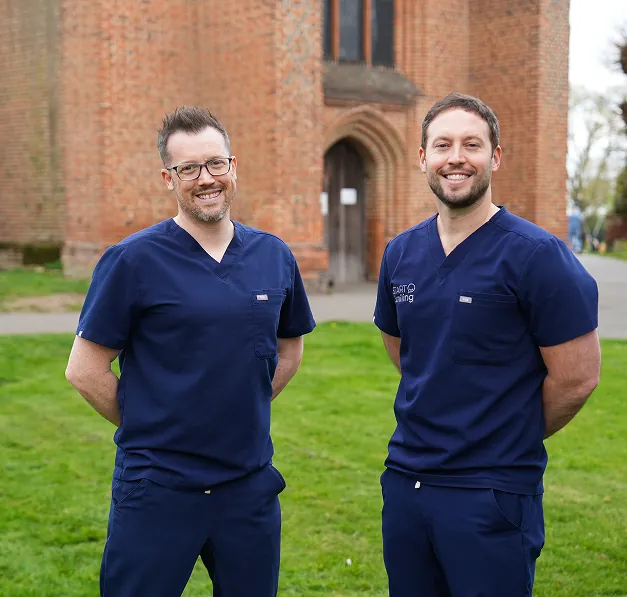
First Visit And Assessment
01
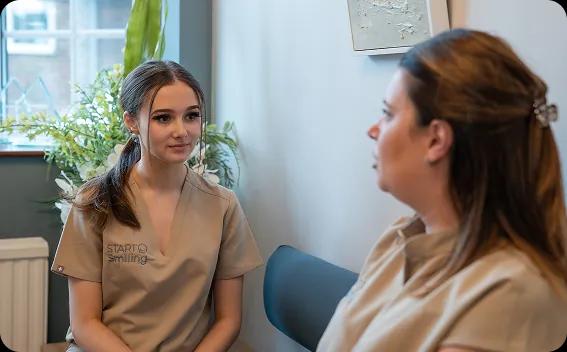
A welcoming first appointment gives the team time to assess your child’s teeth and gums, explain findings and agree suitable next steps with you.
At your child’s appointment at Start Smiling’s Ingatestone practice the dentist carries out a calm, age-appropriate examination, explains findings in plain language and answers any questions you have. The assessment looks at how teeth and jaws are developing, identifies any early signs of decay and checks oral habits, and the clinician will discuss whether preventive steps or further care are needed. Parents and carers are encouraged to be involved throughout; consent is sought before any treatment and recall intervals are personalised after clinical assessment. We also give clear, practical advice on daily brushing, diet and supporting a child with dental anxiety.
Private children’s dentistry at our Ingatestone practice is arranged with families from Brentwood in mind and focuses on a personalised approach rather than a fixed routine. Each visit includes an age-appropriate check of teeth and gums, a discussion about daily brushing and diet, and tailored advice about prevention and any further treatment options that may be clinically appropriate.
Your dentist will explain the reasons for any recommended approach and will only proceed with the consent of a parent or guardian. Recall intervals and care plans are decided after clinical assessment so you understand what is needed for your child’s individual oral health.
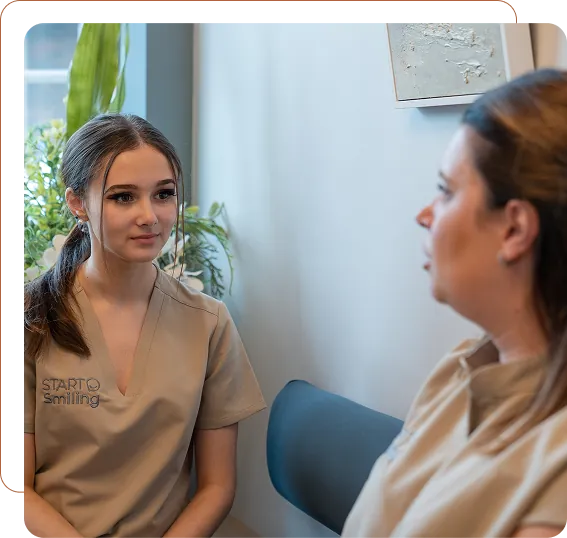
Appointments can be tailored to your child’s age, confidence and individual oral health needs.
A welcoming first appointment gives the team time to assess your child’s teeth and gums, explain findings and agree suitable next steps with you.
The team uses plain explanations, gradual familiarisation and parent involvement so checks and treatments proceed at a child’s pace to build confidence.
Practical guidance on teething, cleaning emerging teeth and spotting early signs of decay is given for very young children and their carers.
Routine reviews monitor eruption patterns, brushing habits and diet, with hands-on tips for making oral hygiene work around school routines.
Appointments for older children focus on independence with brushing, diet choices for busy schedules and when to consider further assessment.
Your dentist can discuss whether preventive options such as fluoride varnish or fissure sealants are appropriate after a clinical assessment.
Age-matched advice is provided, including using a smear of fluoride toothpaste for children under three and a pea-sized amount for children aged three to six.
Parents and guardians are invited to attend appointments, ask questions and give informed consent before any recommended treatment proceeds.
The team aims to explain appointments calmly and in age-appropriate language so children understand what to expect.
Friendly early visits are encouraged to make future care less stressful and to establish good habits from the first teeth.
Regular checks look at growth and tooth development so potential issues can be identified and discussed early with parents.
Advice concentrates on daily hygiene and diet, with preventive options discussed where they may be clinically suitable.
Carers are invited to be part of the appointment and decision-making process, with treatment explained before it is agreed.
Findings, possible treatments and recall timing are discussed clearly so you know what to expect and why recommendations are made.
Reception and clinical staff will greet you, explain the appointment format and note any particular concerns or preferences.
The clinician spends time chatting to your child, using age-appropriate language to build rapport and reduce anxiety.
A careful check of teeth, gums and jaw development is completed using methods suited to your child’s age and comfort level.
The dentist will describe how teeth are coming through, highlight any signs to watch for and explain normal development milestones.
You will receive tailored brushing, diet and oral hygiene tips relevant to your child’s age and routine.
Any recommended follow-up, preventive options or referrals are discussed and arranged with parental consent and clear explanations.
Children’s dental care is appropriate at any age; a first visit is recommended when the first teeth appear or by the first birthday so parents can receive early guidance on cleaning, teething and prevention.
Seek advice sooner if your child has dental pain, swelling, a knocked or broken tooth, visible white or brown patches on teeth, or if anxiety prevents routine care. For older children appointments can focus on independence, diet for active lifestyles and whether further assessment is needed.
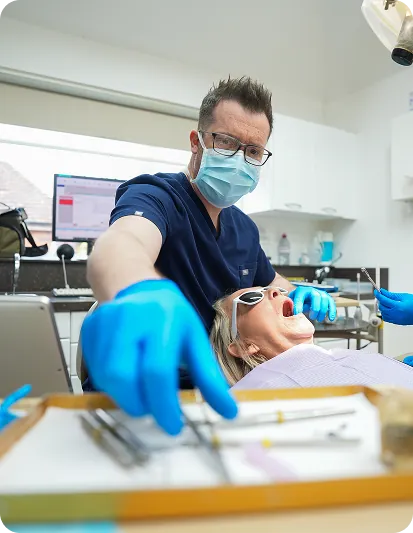
Simple daily steps parents can use to reduce decay risk and support healthy tooth development.
Brush twice daily, making bedtime brushing a priority for decay prevention.
Use a smear of fluoride toothpaste for children under three and supervise brushing closely.
For children aged three to six use a pea-sized amount of fluoride toothpaste and keep supervising until they can manage alone.
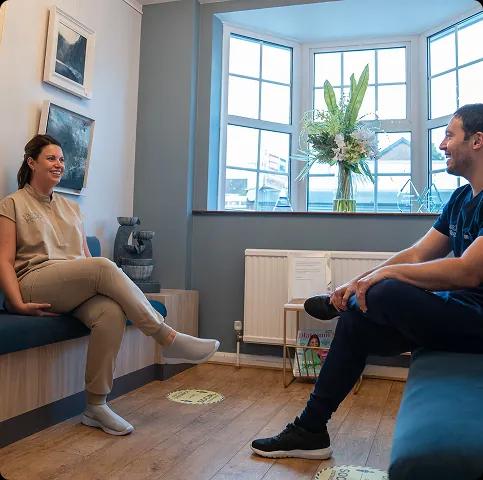
Limit sugary snacks and drinks between meals and favour water and milk as regular drinks.
Make brushing part of a calm routine and replace toothbrushes every three months or sooner if worn.
Encourage a balanced diet and avoid frequent grazing on sugary foods to reduce decay risk.
Families travelling from Brentwood are welcome to book children’s dental appointments at our Ingatestone practice at 5 Market Place, Essex CM4 0BY. Appointments are tailored by age and need, so please tell reception if this is a first visit, the child is nervous or there are recent dental concerns before you attend.
To arrange a children’s dental appointment for families from Brentwood, contact Start Smiling in Ingatestone on 01277 353456. Our team can discuss your child’s needs, answer questions about the visit and explain the next steps. If you are looking for children’s dentistry for your family in Brentwood, contact our Ingatestone practice to discuss your child’s dental care and possible next steps.