
First Visit And Assessment
01
A welcoming first appointment gives the team time to assess your child’s teeth and gums, explain findings and agree suitable next steps with you.
At Start Smiling Dental Practice in Ingatestone we aim to make early dental visits positive and practical for parents and carers from Fryerning. At a first visit the dentist will explain the appointment in age-appropriate language, check tooth eruption, jaw growth and bite, and offer clear, practical advice on everyday toothbrushing and diet. You can ask about teething, thumb-sucking or dental anxiety and the team will explain suitability for any recommended care and obtain parental consent before proceeding. Recall intervals are personalised, and we encourage a first visit when the first teeth appear or by the first birthday so parents can begin prevention early.
Private children’s dental care at Start Smiling is tailored to each child’s needs with an emphasis on prevention and positive experiences. Examinations at our Ingatestone practice are explained in age-appropriate language, check tooth and jaw development and look for early signs of decay so parents receive practical oral hygiene and diet guidance.
If the dentist considers preventive measures such as fluoride varnish or fissure sealants may be appropriate they will discuss the options and explain benefits and risks before any decision is made; parental or guardian consent is obtained for recommended care and recall schedules are set according to individual need.

Practical topics parents commonly ask about, explained in ways you can use at home.
A welcoming first appointment gives the team time to assess your child’s teeth and gums, explain findings and agree suitable next steps with you.
Ways to soothe gums safely, how to clean emerging teeth and when to bring babies for their first appointment.
How to supervise brushing effectively, using a smear for children under three and a pea-sized amount for children aged three to six, plus tips to make brushing a routine.
Practical swaps and timing advice to reduce frequent sugar exposure, and how mealtime choices protect developing teeth.
When a sucking habit may affect tooth position and simple steps parents can try before discussing further with the dentist.
Preparation techniques, what the team will do to help a nervous child and how short, non-clinical first visits can build trust.
How fluoride varnish and fissure sealants are considered for children and why the dentist will discuss whether they are appropriate before any treatment.
Signs that need prompt advice such as persistent pain, swelling or injury and how to contact the practice for guidance.
Appointments are explained in age-appropriate language so children understand what will happen and feel reassured.
The team prioritises practical ways to reduce tooth decay and protect developing teeth through routine care and advice.
Parents and carers are encouraged to ask questions and take an active role in decisions about their child’s care.
Follow-up intervals are set according to each child’s needs rather than a fixed timetable.
Any recommended treatment is explained fully and parental consent is discussed before treatment proceeds.
The team works with parents to reduce dental anxiety using patience, familiar routines and short, graded visits where helpful.
Reception staff will greet you, confirm any details and note specific concerns so the team can tailor the visit from the start.
The dentist will spend time chatting and using simple language to build rapport before any examination begins.
A careful check of teeth, gums and bite is carried out with minimal discomfort and ongoing reassurance for the child.
Growth, eruption patterns and jaw alignment are monitored and recorded to guide preventive care and any future treatment decisions.
You will receive tailored guidance on toothbrushing technique, toothpaste amounts for age, and reducing sugary snacks and drinks.
If further treatment or monitoring is suggested the dentist will explain the options, expected benefits and obtain parental consent before proceeding.
Children’s dentistry suits infants through teenagers because it focuses on development, prevention and building positive attitudes rather than only treating problems. Early checks, ideally when the first teeth appear or by the first birthday, let parents learn effective brushing and diet strategies and ask about common concerns.
If your child is nervous a first visit can be a short familiarisation appointment; the team will work to your child’s pace. For older children the focus can include oral hygiene coaching, advice about sports mouth protection and checks to identify any developing issues.
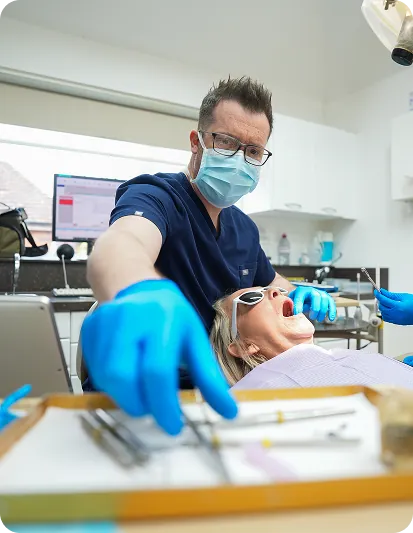
Small, consistent daily habits protect growing teeth and build confidence around oral care.
Morning brushing: supervise with a smear for children under three or a pea-sized amount for children aged three to six and encourage spitting not swallowing.
Breakfast choices: favour low-sugar options and offer water or milk rather than sugary drinks.
Packed lunches: include low-sugar snacks and limit fruit juice to mealtimes to reduce frequent sugar exposure.
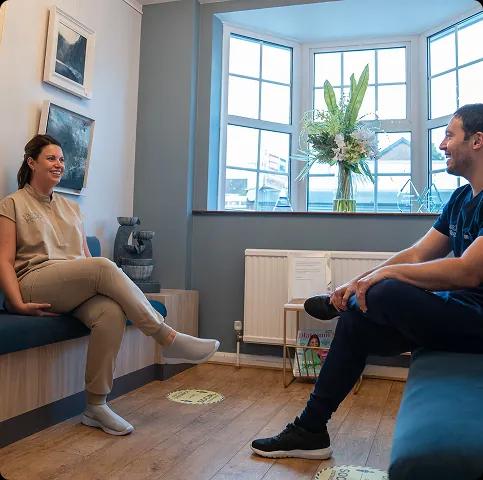
Evening routine: make brushing a calm, consistent habit and help children until they can brush effectively alone.
Bedtime drinks: avoid sugary drinks before sleep and do not give bottles at bedtime to protect teeth overnight.
Rewards: use small non-food rewards to encourage regular brushing rather than sugary treats.
Appointments for families from Fryerning are provided at our Ingatestone practice. The practice address is 5 Market Place, Ingatestone, CM4 0BY, where clinicians carry out child-friendly examinations, offer tailored prevention advice and discuss any treatment options with parents or guardians before proceeding.