
First Visit And Assessment
01
A welcoming first appointment gives the team time to assess your child’s teeth and gums, explain findings and agree suitable next steps with you.
Bringing your child for dental care raises many questions; at our Ingatestone practice (5 Market Place, Essex CM4 0BY) we aim to make the first contact straightforward and informative. The first visit focuses on getting to know your child, a gentle examination of teeth, gums and bite, and a conversation with you about feeding, teething, habits and any concerns. We explain findings in age-appropriate language, discuss whether preventive options such as fluoride varnish or fissure sealants might be clinically appropriate, and involve you in decisions about home care. Recall intervals and advice are personalised so future visits support each child’s needs as they grow.
Start Smiling sees children at the Ingatestone practice and provides calm, child-friendly care including first visits from the appearance of the first teeth or by a child’s first birthday. Routine check-ups include a gentle examination, development monitoring and practical guidance for parents about brushing and diet.
The team explains findings in age-appropriate language, involves parents and carers in care decisions, and will discuss whether preventive measures such as fluoride varnish or fissure sealants are clinically appropriate for your child. Recall intervals are personalised to each child’s needs.
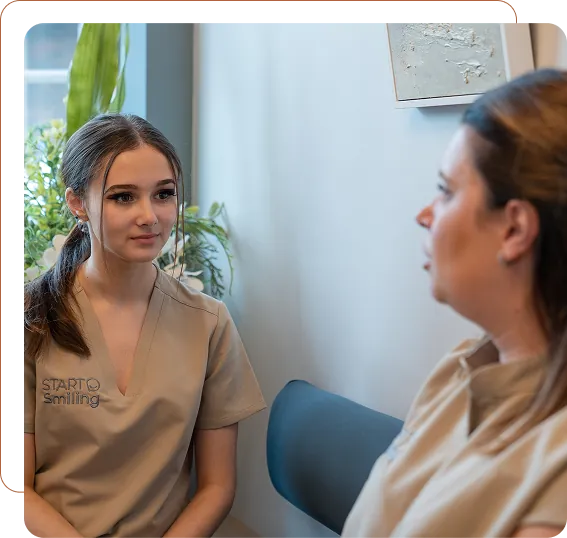
Common ways we support children and families during appointments
A welcoming first appointment gives the team time to assess your child’s teeth and gums, explain findings and agree suitable next steps with you.
Simple, age‑appropriate explanations and short appointments to help reduce anxiety and encourage cooperation over time.
Observation of jaw and tooth development so emerging issues can be identified early and discussed with you alongside clear options.
Practical tips on technique and supervision, including guidance on amounts of fluoride toothpaste for different ages and how to make brushing a calm routine.
Clear advice on foods and drinks that increase decay risk, how to reduce frequent sugar exposure and healthier choices to protect enamel.
Your dentist will explain whether measures such as fluoride varnish or fissure sealants might be clinically appropriate for your child, rather than assuming any treatment.
Strategies including slower pacing, parent involvement and stepwise goals to make appointments manageable for anxious or sensitive children.
Advice on maintaining oral health as children become more independent, with realistic goals for brushing, diet and routine check-ups.
The team aims to explain appointments calmly and in age‑appropriate language so children understand what to expect.
Parents and carers are included in discussions, decisions and consent for any recommended care.
Recall intervals and recommendations are personalised to each child’s development and risk profile.
Emphasis on home brushing, diet and simple preventive steps to reduce the chance of problems as teeth develop.
Appointments can be adapted and paced for nervous children or those who need more time to settle.
Straightforward recommendations and opportunities to ask questions ensure parents understand options before any care proceeds.
A warm, unhurried reception so children can settle; staff will suggest small ways to help your child feel comfortable on arrival.
Discussion about feeding history, tooth eruption, habits and any concerns so the examination is relevant and focused.
A careful, child‑appropriate look at teeth and gums that aims to be quick and non‑threatening while checking for early signs of decay.
The dentist will note how the teeth and jaws are developing and flag any emerging issues for monitoring or early discussion.
Practical guidance on brushing technique, toothpaste amounts, snacking patterns and when preventive options may be considered.
Any recommendations for review, home routines or treatment are explained and agreed with you before arranging further appointments.
Most children benefit from early dental contact to establish routine check‑ups, develop positive associations and pick up preventive habits; an assessment will help tailor care to your child.
If your child is nervous, appointments can be adapted sensitively and paced to their needs, with parents involved throughout and decisions made together.
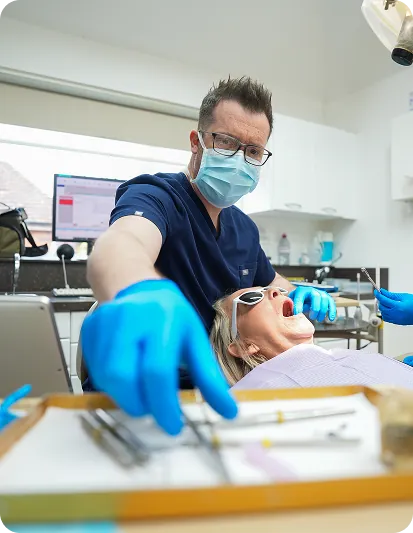
Practical daily steps parents can use to protect teeth and reduce decay risk
Brush twice daily using a smear of fluoride toothpaste for children under three and a pea-sized amount for children aged three to six; supervise brushing until your child can manage alone, usually around seven to eight years.
Make brushing a calm, regular routine tied to morning and bedtime so it becomes a predictable part of the day.
Avoid frequent sugary snacks and drinks between meals to reduce repeated acid attacks on tooth enamel.
Offer water or milk as main drinks and reserve fruit juices or smoothies for mealtimes to limit sugar exposure.
Choose tooth‑friendly snacks such as cheese, plain yogurt or raw vegetables rather than sweets and sticky treats.
If you have concerns about diet or decay risk, discuss them at the appointment so the dentist can suggest tailored strategies.
Families from Hutton are welcome to book children’s dental appointments at the Ingatestone practice. Bring familiar comfort items for nervous children and allow a little extra time to settle; if you have specific concerns before visiting, phone reception to discuss them so we can plan an unhurried first appointment.
To arrange a children’s dental appointment for families from Hutton, contact Start Smiling in Ingatestone on 01277 353456. Our team can discuss your child’s needs, answer questions about the visit and explain the next steps. If you are looking for children’s dentistry for your family in Hutton, contact our Ingatestone practice to discuss your child’s dental care and possible next steps.