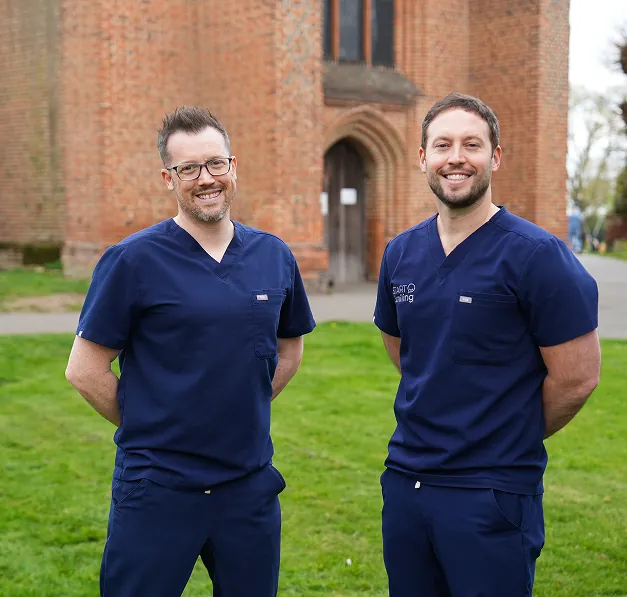
First Visit And Assessment
01
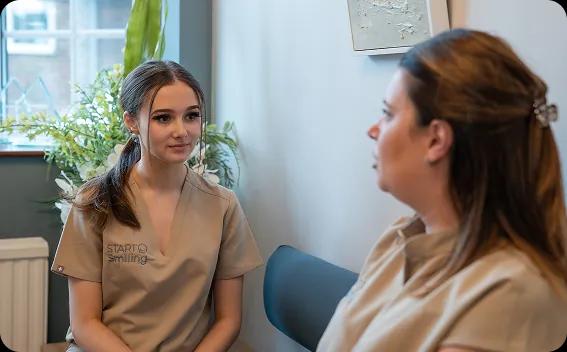
A welcoming first appointment gives the team time to assess your child’s teeth and gums, explain findings and agree suitable next steps with you.
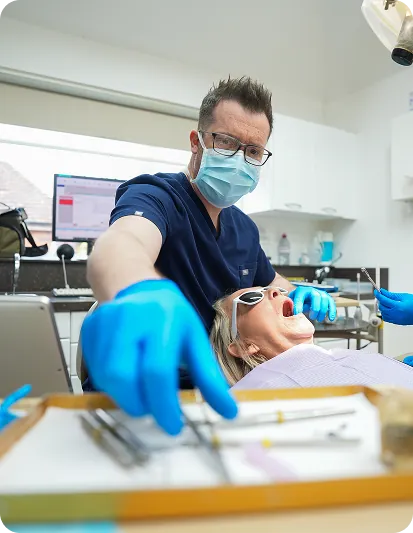
At Start Smiling’s Ingatestone practice a first children’s dental visit is designed to be calm, short and focused on assessment, reassurance and practical advice for parents. The dentist will look at how teeth and gums are developing, check for early signs of decay risk and explain findings in age-appropriate language so you can ask questions. Suitability for preventive steps such as fluoride varnish or fissure sealants is discussed and decided after assessment, and no treatment proceeds without your consent. We use simple demonstrations and gentle approaches to help nervous children and provide tailored brushing and diet guidance to support healthy development.
Our private children’s dentistry appointments are delivered from Start Smiling’s Ingatestone practice and are designed for babies, toddlers, school-age children and teenagers. Private visits allow time to focus on preventive care, demonstrate brushing technique and discuss diet and routine so parents leave with clear, practical steps to use at home.
Checks include monitoring tooth eruption and jaw development, assessing any early decay risk and discussing whether preventive options such as fluoride varnish or fissure sealants may be appropriate; any treatment is only carried out with your informed consent and after a clinical assessment.
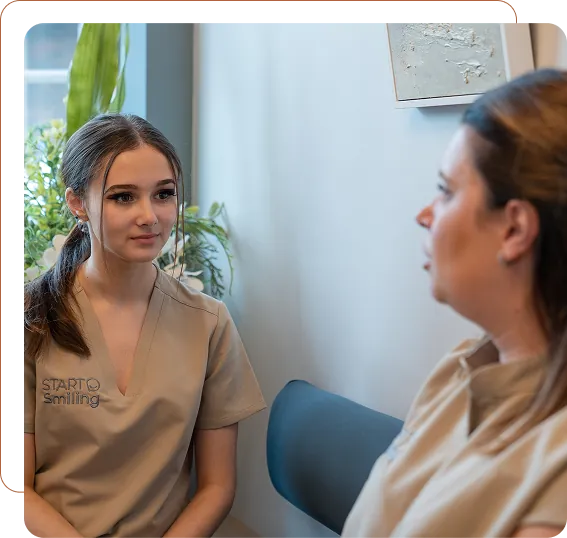
Short, practical guidance cards parents can use before and after appointments
A welcoming first appointment gives the team time to assess your child’s teeth and gums, explain findings and agree suitable next steps with you.
Practical tips such as role-play with a toothbrush, bringing a favourite toy and writing questions down so your child knows what to expect.
How to manage teething discomfort safely, when to seek advice about sore or inflamed gums and how early visits can help.
Clear supervision and technique guidance, including toothpaste amounts and how to help your child clean all surfaces effectively.
Practical food and drink swaps, meal and snack timing advice and strategies to reduce sugar exposure between meals.
How the team helps nervous children through short, confidence-building steps, allowing a parent to stay and explaining each stage calmly.
Questions to ask about preventive options such as fluoride varnish or fissure sealants and how decisions are made after clinical assessment.
When pain, swelling or injury needs prompt attention and how to contact the practice for guidance rather than attempting a home diagnosis.
The team aims to explain appointments calmly and in age-appropriate language, using simple demonstrations to reduce anxiety.
Each check includes personalised advice on brushing, diet and whether preventive options might be clinically suitable for your child.
We can discuss first teeth, teething concerns and the recommended timing for a first visit when teeth appear or by the first birthday.
Parents and guardians are encouraged to ask questions and are asked for consent before any treatment proceeds.
The dentist records tooth eruption and jaw development to spot emerging concerns and plan appropriate follow-up.
Recall intervals and next steps are arranged according to each child’s needs and explained in plain language.
A warm greeting helps your child settle; the team takes time with introductions to make the environment familiar.
A short conversation and gentle demonstrations help build trust and let the dentist understand your child’s needs.
A calm, brief check of teeth and gums looks for early signs of decay and assesses how cleaning is working at home.
We monitor eruption, spacing and jaw growth and explain any observations so you understand development stages.
You will receive clear guidance on brushing, toothpaste amounts and diet; the dentist can discuss whether fluoride varnish or fissure sealants are appropriate.
We agree personalised recall intervals, outline any recommended follow-up and confirm that consent is needed before treatment.
Children’s dentistry suits babies through to teenagers and Start Smiling recommends a first visit when the first teeth appear or by the first birthday so parents can get early advice on feeding, brushing and teething. Regular checks make it easier to spot patterns that increase decay risk and support healthy habits.
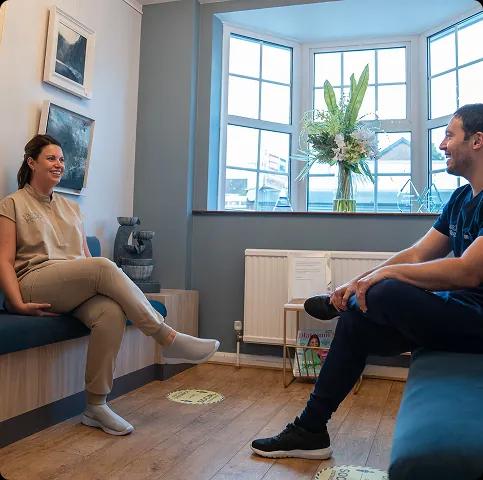
If your child is nervous the team will work at their pace, allow a parent to stay and use short, confidence-building appointments rather than rushing. Recall schedules are personalised to dental health and development and any treatment only goes ahead with your informed consent.
Everyday steps parents can use to reduce decay risk and build good habits
Brush twice daily with a fluoride toothpaste: a smear for children under three and a pea-sized amount for children aged three to six.
Supervise brushing until your child can tie shoelaces confidently to make sure all surfaces are cleaned.
Limit sugary snacks and drinks between meals to reduce the chance of decay.
Encourage water between meals and offer milk at mealtimes rather than juice to protect developing teeth.
Move away from bottles and dummies at the appropriate age to reduce pressure on new teeth and support normal development.
Make brushing positive with timers, songs or small rewards so it becomes a routine your child enjoys.
Families from Maldon are welcome to bring children to appointments at our Ingatestone practice. Our Ingatestone practice is at 5 Market Place, Essex CM4 0BY. When you call we can discuss suitable appointment times, any concerns to note before the visit and how we can help with first-visit nerves, teething queries or routine check-ups.
To arrange a children’s dental appointment for families from Maldon, contact Start Smiling in Ingatestone on 01277 353456. Our team can discuss your child’s needs, answer questions about the visit and explain the next steps. If you are looking for children’s dentistry for your family in Maldon, contact our Ingatestone practice to discuss your child’s dental care and possible next steps.