First Visit And Assessment
01
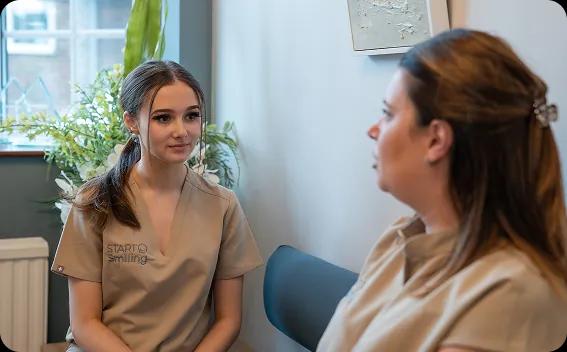
A welcoming first appointment gives the team time to assess your child’s teeth and gums, explain findings and agree suitable next steps with you.
At Start Smiling’s Ingatestone practice we aim to make your child's first and follow-up dental visits calm, clear and useful for parents and carers from Mountnessing. During an age-appropriate first visit the dentist will carry out a gentle examination of teeth, gums and jaw, explain what they see in straightforward language, and answer questions about teething, tooth development, diet and oral habits. The team will discuss suitability for routine checks, monitoring or preventive options such as whether fluoride varnish or fissure sealants might be appropriate, and will explain consent, next steps and how to support home care.
Start Smiling sees children at its Ingatestone practice and aims to provide a focused, calm check-up with time to discuss any concerns you bring. A first visit usually involves a gentle, age-appropriate examination, simple explanations of what the dentist sees and a conversation about home care, diet and whether monitoring or preventive measures may be appropriate.
A first appointment is commonly arranged when the first baby teeth appear or by the first birthday. Recall intervals are personalised to each child rather than fixed, and the dentist will always discuss consent and next steps before recommending any examination or treatment.

Practical, age-appropriate support and clear next steps for parents and carers
A welcoming first appointment gives the team time to assess your child’s teeth and gums, explain findings and agree suitable next steps with you.
Practical tips to ease discomfort, recognise normal signs and understand when further assessment is needed.
Clear guidance on brushing, diet and when your dentist might discuss preventive options such as fluoride varnish or fissure sealants where clinically appropriate.
Simple, non-threatening checks designed to build a positive experience and reduce distress during the appointment.
Regular reviews to watch tooth eruption and jaw development so any changes can be discussed early and managed appropriately.
Strategies to reduce anxiety, ways carers can help settle a child and options for slower familiarisation visits if needed.
Support for managing thumb sucking, pacifier use and other habits that might affect tooth position or development.
Practical advice about what to do and who to contact if your child has a dental injury, significant pain or swelling between visits.
The team aims to explain appointments calmly and in language suitable for each child’s stage so parents understand findings and options.
Carers are involved in discussions about care, with consent explained before any examination or treatment proceeds.
Appointments are suitable for babies, toddlers, school-age children and teenagers, with advice tailored to each stage of development.
Visits include practical, everyday advice on brushing and diet and discussion of whether preventive measures could be appropriate.
Recall intervals are set individually according to your child’s needs and the dentist will explain the recommended timing.
Staff will discuss calm approaches and settling techniques and plan appointments at a pace the child can tolerate.
Reception and the clinician will greet you, confirm basic details and aim to make arrival relaxed for your child.
The team will spend time building rapport and asking about routines, any previous dental experience and specific worries.
A calm, non-threatening check of teeth, gums and jaw tailored to your child’s age and comfort, with explanations throughout.
The dentist will describe eruption patterns and what normal development looks like, and highlight anything to watch for at home.
Practical guidance on brushing technique, tooth-friendly eating and drinking habits and everyday routines to protect enamel.
Clear explanation of any recommended follow-up, monitoring or discussion of preventive options, with consent discussed for any treatment.
Many parents arrange a first dental appointment when the first teeth appear or by the first birthday to establish a positive relationship with dental care. Early visits let the dentist monitor growth and spot changes that are easier to manage.
If your child is anxious or has had a difficult experience the practice can plan a slower introduction and involve you in settling techniques; decisions about recall intervals and any preventive treatments are made individually and agreed with the parent or guardian.
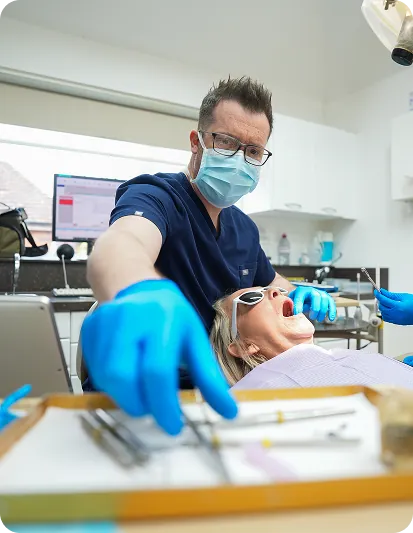
Simple daily steps and practical tips you can use between visits
Use a soft toothbrush and brush twice daily for two minutes, supervising younger children until they can manage alone.
Use a smear of children’s fluoride toothpaste for children under three and a pea-sized amount for children aged three to six.
Limit sugary snacks and drinks between meals to reduce the risk of decay.
Encourage water and plain milk rather than fruit juice or sugary drinks to protect developing teeth.
Check teeth regularly for any spots, marks or changes and contact the practice if you are concerned between visits.
Help your child spit out toothpaste rather than rinsing vigorously so fluoride can protect newly erupted enamel.
Families from Mountnessing are welcome to attend appointments at Start Smiling’s Ingatestone practice at 5 Market Place, Ingatestone, Essex CM4 0BY. Appointments take place at this Ingatestone location and reception can explain parking, accessibility and answer practical questions when you call to book.