
First Visit And Assessment
01
A welcoming first appointment gives the team time to assess your child’s teeth and gums, explain findings and agree suitable next steps with you.
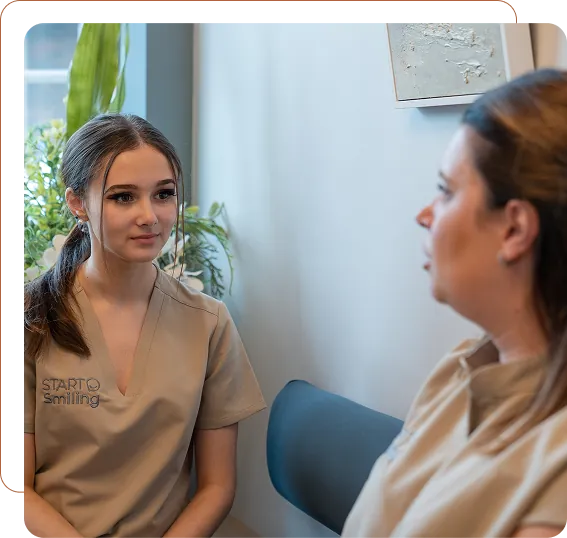
At a child’s appointment at our Ingatestone practice the focus is on calm, age-appropriate care and clear answers for parents and carers. Appointments begin with a friendly welcome and a chance to discuss any worries; the dentist then carries out a gentle examination of teeth, gums and jaw development while using language your child can understand. The team assesses suitability for preventive measures and will explain whether options such as fluoride varnish or fissure sealants are clinically appropriate. You are invited to ask questions, to be involved in consent decisions, and to receive practical brushing and diet advice tailored to your child.
Private children’s dentistry appointments at our Ingatestone practice give families from Upminster extra time to discuss concerns, explain findings in child-friendly terms and agree a prevention-focused plan. The visit can cover tooth eruption, bite development and home care, with recommendations personalised to your child’s needs.
The dentist will discuss whether preventive options such as fluoride varnish or fissure sealants are appropriate and explain any treatment needs. Parents or guardians are involved in consent decisions and any likely costs are outlined before treatment goes ahead so you can make an informed choice.
Practical short guides for common questions parents ask.
A welcoming first appointment gives the team time to assess your child’s teeth and gums, explain findings and agree suitable next steps with you.
Simple role-play tips, words that reduce fear and a short checklist of what to bring, such as a favourite toy or comfort item.
Signs to watch for during teething, when to seek reassurance from the dentist and how gentle cleaning can start before many teeth have erupted.
Practical brushing routine advice including a smear of toothpaste for children under three and a pea-sized amount for children aged three to six, with supervision tips.
How reducing frequent sugary snacks and drinks lowers decay risk and simple mealtime swaps parents can try to protect developing teeth.
Ways to introduce the dentist gradually, questions to ask before the appointment and pacing techniques the team can use to build trust.
What dentists monitor as permanent teeth start to appear, signs to watch for and when to discuss preventive options or orthodontic screening.
How care adapts as children become more independent, encouraging effective oral hygiene and discussing concerns about appearance or discomfort.
The team aims to explain appointments calmly and in language your child can understand so visits feel less intimidating.
We recommend a first visit when the first teeth appear or by the first birthday to help establish healthy routines from the start.
Parents and guardians are involved in decisions and given clear information before any recommended care proceeds.
Advice on brushing technique, diet and tailored prevention is central to appointments rather than immediate intervention.
Checks are scheduled to suit each child’s oral health and risk profile rather than a fixed timetable.
Appointments can be paced to reduce anxiety, with time allowed to build confidence at a child’s pace.
An unhurried greeting gives time to talk about recent symptoms, past experiences and any practical needs before the examination.
The team spends time chatting and using simple language to build rapport and understand any specific worries or sensory needs.
A careful check of teeth, gums and the mouth, explained in terms your child can follow and paused if they need a break.
The dentist assesses eruption patterns, bite development and jaw growth and notes any areas to watch over time.
Clear guidance on brushing technique, toothpaste amounts, snacking and daily habits to reduce decay risk.
Findings are explained, suitable prevention is discussed and an agreed follow-up or recall interval is set with you.
Early checks benefit babies, toddlers, school-age children and teenagers by establishing routines, spotting early signs of decay and supporting positive dental experiences as teeth develop.
If your child is nervous, tell us when you book so the appointment can be paced and explained in a way to help them feel safe and understood.
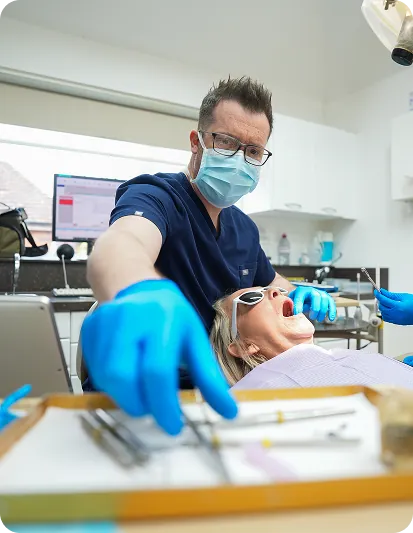
Small daily habits and the right toothpaste amounts help protect developing teeth.
Brush teeth twice daily with a soft toothbrush, in the morning and before bed.
Use a smear of toothpaste for children under three and supervise brushing closely.
Supervise and help brushing until your child can clean effectively alone.
For children aged three to six use a pea-sized amount of toothpaste and encourage thorough cleaning.
Limit sugary snacks and drinks to mealtimes and avoid frequent sipping to reduce decay risk.
Contact the dentist promptly if your child has tooth pain, swelling or concerns about tooth development.
The Ingatestone practice welcomes families from Upminster for children’s dental checks and preventive care. Appointments take place at the Ingatestone practice at 5 Market Place, Essex CM4 0BY; the team will explain what will happen, discuss prevention and agree any necessary follow-up.
To arrange a children’s dental appointment for families from Upminster, contact Start Smiling in Ingatestone on 01277 353456. Our team can discuss your child’s needs, answer questions about the visit and explain the next steps. If you are looking for children’s dentistry for your family in Upminster, contact our Ingatestone practice to discuss your child’s dental care and possible next steps.