
First Visit And Assessment
01
A welcoming first appointment gives the team time to assess your child’s teeth and gums, explain findings and agree suitable next steps with you.
As a parent or carer from Vange you want clear, practical help when your child first sees the dentist. At our Ingatestone practice we provide calm, age-appropriate assessments that focus on how teeth are growing, on answering your questions and on working with you to decide what is suitable for your child. The first visit usually checks eruption and development, covers guidance on daily brushing and diet, and considers whether monitoring, preventive advice or a clinical check is patient-focused. Preventive options such as fluoride varnish or fissure sealants can be discussed if clinically appropriate, and any recommended care is agreed with the parent or guardian before proceeding.
Private children’s dentistry at Start Smiling is provided from the Ingatestone practice and aims to make check-ups and advice straightforward for parents from Vange. Appointments cover early advice for babies, checks for toddlers, monitoring of tooth and jaw development in school-age children and routine care for teenagers.
The team aims to explain examinations calmly and in age-appropriate language, involve parents in decisions and personalise recall intervals. Any preventive options or treatments will be discussed and agreed with the parent or guardian after a clinical assessment.
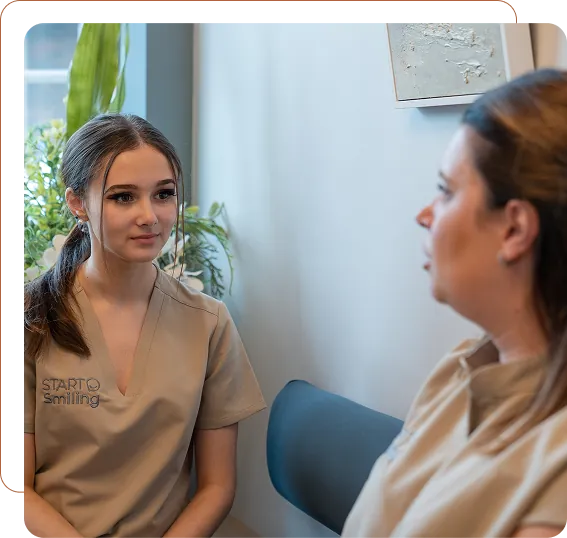
Practical areas where the dental team supports families
A welcoming first appointment gives the team time to assess your child’s teeth and gums, explain findings and agree suitable next steps with you.
Practical tips to ease discomfort, safe ways to soothe gums and simple cleaning routines for newly erupted teeth.
Age-appropriate guidance on when to start brushing, supervising young children and using a smear for children under three or a pea-sized amount for children aged three to six.
Clear, practical advice about drinks and snacks to reduce the risk of decay and support healthy teeth between visits.
Regular checks record how teeth and jaws are developing so the dentist can decide whether observation or further assessment is needed.
Gentle familiarisation, simple explanations and parent involvement help build trust and make appointments calmer for anxious children.
Your dentist can discuss whether preventive options such as fluoride varnish or fissure sealants are appropriate after a clinical assessment.
Any treatment is explained in plain language and agreed with the parent or guardian before any care proceeds, including consent and next steps.
Appointments are explained in language suitable for your child so they understand what will happen and feel less anxious.
We recommend a first visit when the first teeth appear or by the first birthday so parents get early, practical guidance.
Parents and guardians are invited to be involved in decisions and to support care at home, with consent discussed for any recommended treatment.
Recall and follow-up schedules are based on each child’s individual needs rather than a fixed timetable.
Practical brushing and diet advice helps families reduce decay risk and protect teeth between dental visits.
The dentist explains findings, potential preventive options and any fees before treatment so parents know what to expect.
Staff greet you and your child, explain the appointment and invite any questions so everyone feels at ease.
We take time to understand your child’s experience, preferences and any worries before the clinical check begins.
A careful, age-appropriate check of teeth and gums using simple explanations and child-friendly measures to reduce discomfort.
The dentist records how teeth and jaws are developing and explains any observations in a way parents can act on.
Tailored brushing, diet and habit guidance is given so you have clear, practical steps to protect teeth between visits.
We agree recall intervals or follow-up and explain any treatment options that may be appropriate after assessment.
Children’s dentistry at the practice is suitable for babies with first teeth, toddlers, school-age children and teenagers; routine visits help identify development patterns and provide reassurance for parents about everyday care.
If your child has toothache, a damaged tooth, persistent thumb-sucking or dental anxiety, tell the team when you book so the appointment can be planned to help your child feel comfortable and get the right advice quickly.
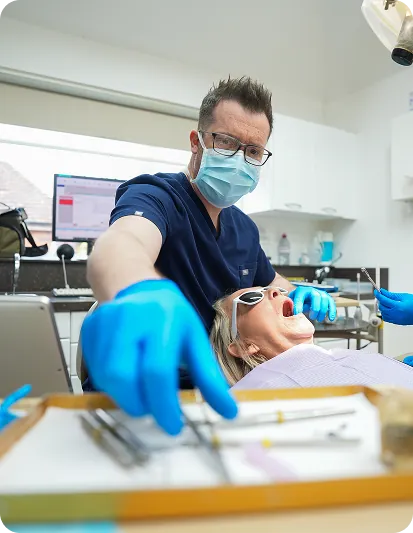
Simple, age-appropriate steps parents can use every day
Brush twice daily, last thing at night and at one other time using a smear for children under three or a pea-sized amount for children aged three to six.
Supervise brushing and help young children until they can reliably clean all tooth surfaces themselves.
Limit sugary drinks and choose water or milk between meals to reduce decay risk.
Encourage healthy snacks such as fruit, plain yogurt and vegetables instead of sugary treats.
Avoid sharing utensils or cleaning dummies in ways that transfer decay-causing bacteria to babies.
Model calm, positive brushing habits to help reduce dental anxiety and make brushing a routine part of the day.
Families from Vange are welcome to arrange children’s dental appointments at the Ingatestone practice at 5 Market Place, Essex CM4 0BY. Appointments include age-appropriate checks, advice for everyday care and discussion of preventive options when clinically appropriate; please mention any concerns when you book so the team can prepare.
To arrange a children’s dental appointment for families from Vange, contact Start Smiling in Ingatestone on 01277 353456. Our team can discuss your child’s needs, answer questions about the visit and explain the next steps. If you are looking for children’s dentistry for your family in Vange, contact our Ingatestone practice to discuss your child’s dental care and possible next steps.