
First Visit And Assessment
01
A welcoming first appointment gives the team time to assess your child’s teeth and gums, explain findings and agree suitable next steps with you.
At Start Smiling our children’s dental appointments are explained in calm, age-appropriate language so parents know what will happen and why it matters. At the Ingatestone practice we begin by asking about feeding, teething and home cleaning routines, then carry out a gentle examination of tooth eruption, gums and bite development. The dentist will discuss whether preventive options such as fluoride varnish or fissure sealants might be appropriate, answer your questions about brushing guidance and diet, and work with you to set a personalised recall plan. If treatment is recommended we explain options and seek parent or guardian consent before any care proceeds.
Start Smiling’s Ingatestone practice offers private children’s dentistry with calm, child-focused appointments for babies, toddlers, school-age children and teenagers. Visits are structured to let children settle, to review tooth eruption and gum health, and to give practical guidance parents can use at home.
The team will discuss prevention and home care, including whether preventive options such as fluoride varnish or fissure sealants are clinically appropriate for your child. Recall intervals are personalised, and any proposed treatment is explained and agreed with the parent or guardian before proceeding.
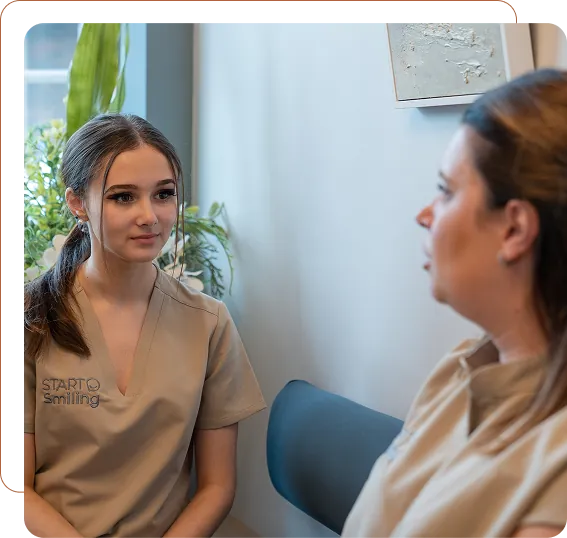
Practical cards to guide common questions from parents and carers
A welcoming first appointment gives the team time to assess your child’s teeth and gums, explain findings and agree suitable next steps with you.
Advice on safe bottle use, comfort for teething and when to start supervised cleaning so routines build with development.
Focus on caries prevention, improving brushing technique, and spotting habits that may affect tooth wear or bite change.
Support for changing diets, responsibility for brushing, questions about orthodontics and preserving enamel during growth.
Practical steps for home preparation and short, positive clinic visits to reduce anxiety and gradually build trust.
How to brush effectively, when to supervise, and toothpaste amounts: a smear for children under three and a pea-sized amount for children aged three to six.
Everyday swaps to reduce sugar intake, choosing water between meals and simple strategies to lower decay risk.
How your dentist will decide whether preventive measures such as fluoride varnish or fissure sealants may be appropriate following assessment.
Appointments are explained in age-appropriate language and paced to help children feel safe and understood.
Short, familiar visits when first teeth appear can make future care easier and reduce anxiety.
Parents and guardians are involved in discussions and consent is always sought before any recommended treatment.
Recall intervals are based on your child’s oral health and risk so checks happen at the right frequency.
Practical brushing and diet guidance is given, with discussion of preventive options when clinically appropriate.
Care and advice are tailored for babies, toddlers, school-age children and teenagers at different developmental stages.
Reception staff will greet you, listen to any concerns and note anything that will help make the visit comfortable for your child.
The team allows time for your child to explore and for staff to build rapport before clinical examination begins.
A calm, age-appropriate check of teeth and gums using tools and language suitable for the child’s age and development.
The dentist assesses eruption patterns, bite and early signs of decay or growth difference to guide next steps.
Practical, achievable tips on brushing technique, toothpaste amounts and diet are agreed with parents or carers.
Any recommended follow-up, monitoring or treatment options are explained and consent is discussed before proceeding.
Children’s dental care is appropriate from the appearance of the first tooth and many clinicians recommend a first visit by the first birthday to check development and start simple prevention.
If your child has visible decay, pain, a change in bite, or habits such as thumb sucking, a check-up will clarify next steps; for dental injury, severe pain or swelling contact the practice for guidance on urgency.
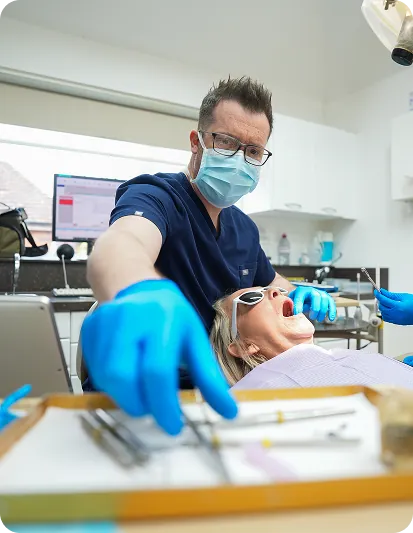
Everyday actions parents can use to protect developing teeth
Brush twice daily with a children’s fluoride toothpaste and supervise until your child can brush effectively alone.
Use a smear of toothpaste for children under three and a pea-sized amount for children aged three to six, and make brushing a calm, consistent routine.
Avoid putting a baby to sleep with anything other than water in a bottle and clean gums even before teeth appear.
Choose water between meals and limit sugary snacks and drinks to lower the risk of decay over time.
Offer small practical swaps such as plain milk or water instead of sweetened drinks and avoid sugary sips through the day.
For teething comfort use parent-tested measures and tell your dentist about any prolonged pain or unusual symptoms.
Appointments for families from Writtle take place at Start Smiling’s Ingatestone practice. The practice address is 5 Market Place, Ingatestone, Essex, CM4 0BY; when booking we will explain what to bring, how first appointments are structured and note any needs to help your child feel comfortable.
To arrange a children’s dental appointment for families from Writtle, contact Start Smiling in Ingatestone on 01277 353456. Our team can discuss your child’s needs, answer questions about the visit and explain the next steps. If you are looking for children’s dentistry for your family in Writtle, contact our Ingatestone practice to discuss your child’s dental care and possible next steps.