Replace One Missing Tooth
01
An implant-supported crown may replace one missing tooth where suitable, following clinical assessment and careful planning.
If you are looking for dental implants near Blackmore, Start Smiling Dental Practice in Ingatestone can explain whether implant treatment may help you replace missing teeth. Dental implants are artificial tooth-root replacements, commonly titanium posts placed in the jaw to support a crown, bridge or denture. We describe the likely steps, risks and alternatives so you can decide with clear information.
Start Smiling Dental Practice does not have a branch in Ingatestone; implant consultations and treatment are carried out at our practice in Ingatestone. You will be offered a clinical assessment, appropriate imaging where needed, and a clear explanation of options so you can decide whether implant-supported restorations suit your goals. Care is provided by our dental team, who will explain the stages and likely next steps. For further information about implant procedures see our dental implants treatment page.

Dental implants can address a range of tooth loss situations depending on clinical suitability.
An implant-supported crown may replace one missing tooth where suitable, following clinical assessment and careful planning.
Multiple implants can support individual crowns or a bridge when more than one tooth is missing.
Implants can help retain or stabilise a denture to improve comfort and function in suitable cases.
An implant can avoid the need to alter neighbouring teeth for a bridge when appropriate.
Implant-supported restorations can improve chewing efficiency, depending on your case.
A restoration that matches your teeth may help you feel more comfortable when speaking and smiling.
Replacing missing teeth can help support the soft tissues around the mouth where clinically indicated.
With good home care and regular professional review, implants can be maintained alongside routine dental care.
These are typical ways implants may help, subject to clinical assessment and individual circumstances.
We explain options clearly and involve you in decisions about treatment.
The practice uses contemporary diagnostic tools where clinically appropriate for implant planning.
Clinicians coordinate planning, placement and restoration with appropriate follow-up.
We outline stages, possible additional procedures and the records that may be needed.
Professional maintenance and home-care advice are part of the plan for long-term implant health.
Implant costs vary by complexity; we refer to current pricing and discuss what applies to your case.
A clinician will review your oral and medical history, examine your mouth and discuss your goals to assess suitability for implants.
X-rays and/or digital scans may be taken to plan implant position and the final restoration where clinically appropriate.
Any active gum disease or untreated dental issues will be managed first; some patients may need bone grafting depending on clinical findings.
Implants are placed using local anaesthetic and the team will explain the surgical procedure, aftercare and temporary arrangements beforehand.
Time is allowed for the implant to integrate with the bone and for soft tissues to settle; regular reviews monitor healing and integration.
A crown, bridge or denture is fitted when clinically appropriate, followed by ongoing hygiene, review and occasional maintenance.
Deciding whether dental implants are suitable requires a clinical assessment. We will consider your gum health, remaining teeth, bite, jawbone quantity and quality, medical history, medications and smoking status, as well as your goals.
Some patients need additional procedures such as bone grafting, while others can proceed without them; only a clinical assessment and appropriate imaging can confirm this.
The treating clinician will explain the likely benefits, possible risks including failed integration, and alternative options such as bridges or conventional dentures so you can make an informed choice.
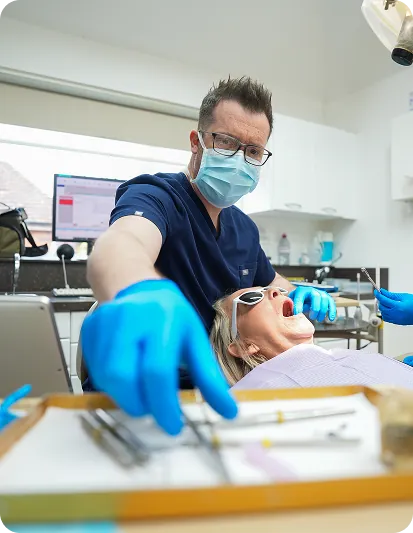
We offer related care to prepare for and maintain implant treatment.
Routine dental check-ups to monitor oral health and implants.
Hygienist appointments for professional plaque and stain control.
Restorative dentistry for crowns, bridges and denture fittings.
Imaging and digital records to support accurate implant planning.
Management of gum disease before or after implant treatment.
Ongoing reviews to check implant stability and restoration condition.
These services support safe planning and long-term maintenance of implant restorations.
If you live in Blackmore and would like to discuss dental implants, you can travel to Start Smiling Dental Practice in Ingatestone for a consultation and assessment. People commonly use a car, local bus or train to reach the practice. We will outline what investigations are needed and the likely next steps specific to your situation.
To discuss dental implants near Blackmore and arrange an assessment, call Start Smiling Dental Practice on 01277 353456 or use our contact page. During your appointment we will review your oral health, explain potential options and outline any recommended investigations or preparatory care so you understand the next steps.