Replace One Missing Tooth
01
An implant-supported crown may replace one missing tooth where suitable, following clinical assessment and careful planning.
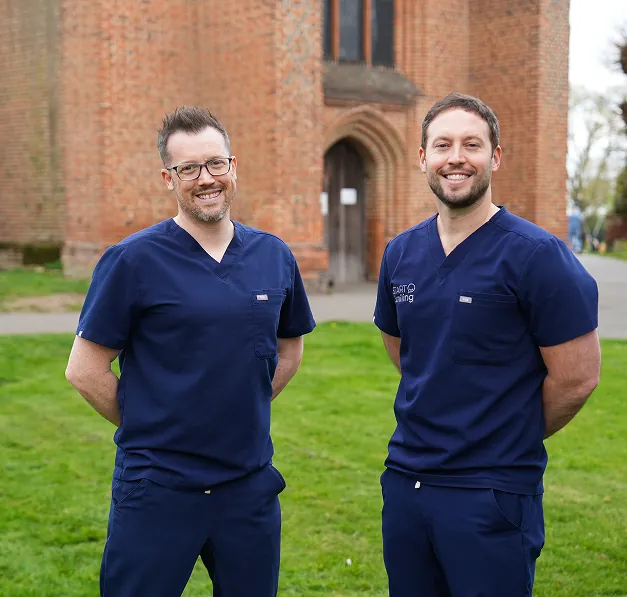
Replace missing teeth with implant-supported restorations from a calm, modern Ingatestone practice offering personalised, patient-focused care.
Dental implants are artificial tooth-root replacements, commonly titanium posts placed into the jawbone to support a crown, bridge or denture. Start Smiling Dental Practice is based in Ingatestone and welcomes enquiries from people at Drapers’ Academy and the surrounding Harold Hill and Romford areas who are considering dental implants. Implant treatment is surgical and suitability must be assessed before any work begins.
At Start Smiling Dental Practice we provide private dental implant care from our Ingatestone, practice combining calm, modern facilities with thorough planning and plain-language communication. We will explain the treatment options, likely stages and any investigations that may be needed, and our dental team will discuss costs so you can make an informed choice about dental implant treatment. For an overview of the procedure and typical stages see dental implant treatment.

Common ways implant restorations can be used
An implant-supported crown may replace one missing tooth where suitable, following clinical assessment and careful planning.
Multiple implants can support a bridge to restore a short row of teeth without using adjacent natural teeth for support.
Implants can retain or stabilise a denture to improve security and function where clinically appropriate.
Implants may help restore chewing ability and clearer speech for some patients when planned correctly.
An implant-supported crown can often replace a tooth without preparing adjacent healthy teeth.
Restoring missing teeth can help provide support for facial tissues, depending on bone loss.
Start Smiling Dental Practice is based in Ingatestone and welcomes patients from Drapers’ Academy.
With good home care and regular professional reviews, implant restorations can be maintained, repaired or replaced as needed.
We focus on your needs, explaining options and answering questions in plain language.
The practice uses current diagnostic tools and restorative techniques appropriate to each case.
You will see the proposed sequence of care, likely investigations and follow-up before treatment starts.
The team coordinates restorative work and refers to other specialists when a case requires it.
We provide reviews and maintenance plans to help look after implant restorations over time.
We explain how complexity affects cost and direct you to fee information so you understand the likely investment.
A clinician reviews your mouth, gum health, remaining teeth, bite and medical history to consider whether implants may be suitable.
X-rays and/or digital scans may be taken where clinically appropriate to plan placement and the final restoration.
Active gum disease or other dental issues are treated first; some patients may need bone grafting or other preparatory procedures.
Implants are placed in a surgical procedure, usually under local anaesthetic; the team will explain what to expect before and after.
Time is allowed for the implant to integrate with the jawbone, with reviews to monitor healing and oral health.
When clinically ready, a crown, bridge or denture is fitted and ongoing maintenance appointments are arranged.
Not everyone is suitable for implant treatment and a careful clinical assessment is essential. Suitability depends on oral and gum health, remaining teeth and bite, the amount and quality of jawbone, your medical history, medicines and lifestyle factors such as smoking. X-rays or scans help assess bone and plan treatment, and some people need preparatory procedures such as bone grafting.
Your clinician will explain the likely benefits, risks and alternatives for your situation, including bridges, conventional dentures or choosing not to replace a missing tooth. Implant treatment can have complications and implants do not always integrate; any decision follows a discussion of options and informed consent.
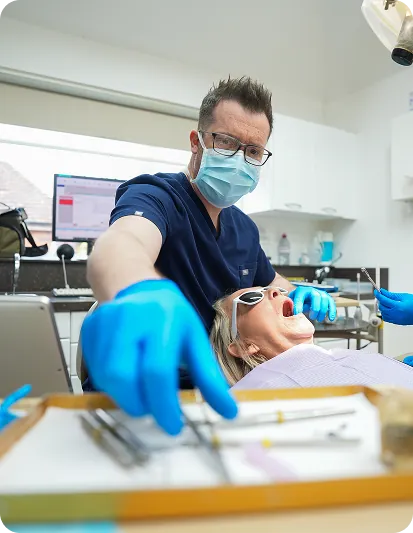
Services that support implant planning, surgery and restoration
Routine dental care: Regular check-ups to monitor oral health before, during and after implant treatment.
Hygiene appointments: Professional cleaning and advice to help reduce risks to implant health and surrounding tissues, including tailored hygiene care at the practice.
Restorative dentistry: Crowns, bridges and denture work coordinated with implant planning and final restorations.

Radiography and digital scans: Imaging used as required to guide accurate planning and placement.
Aftercare reviews: Scheduled checks to assess integration, restoration fit and oral hygiene following surgery.
Emergency support: Advice and care options if unexpected issues arise after treatment.
If you are based at or near Drapers’ Academy and would like to discuss dental implants, Start Smiling Dental Practice in Ingatestone welcomes patients travelling by car, train or bus. Our team can explain the consultation process, what information to bring and how we assess suitability during your first appointment.
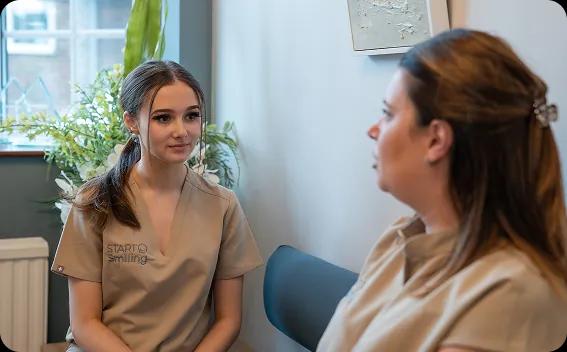
A consultation includes an assessment of your mouth, discussion of treatment options, any likely investigations and an explanation of fees from the current guide.
To arrange a consultation relating to dental implants for patients near Drapers’ Academy, call 01277 353456 and our team will help you find a suitable appointment and explain the information we will need, including a link to our fee guide.