Replace One Missing Tooth
01
An implant-supported crown may replace one missing tooth where suitable, following clinical assessment and careful planning.
Dental implants are artificial tooth-root replacements, commonly titanium posts placed in the jawbone to support a crown, bridge or denture. At Start Smiling Dental Practice in Ingatestone we plan dental implant treatment around your oral health, medical history and personal goals. If you live near Hall Mead School and are considering dental implants, we welcome enquiries and can explain whether implant-supported options may suit you.
Start Smiling Dental Practice is a private dental practice based in Ingatestone offering calm, modern restorative care to people across the local area, including those who live or work near Hall Mead School. Implant treatment is a surgical procedure and suitability can only be confirmed after a clinical assessment that may include x-rays or digital scans. If you decide to proceed, the team will explain each stage, likely next steps and the arrangements for attending the practice in Ingatestone.

Implants can address different tooth loss scenarios and support chewing, appearance and denture stability for some patients.
An implant-supported crown may replace one missing tooth where suitable, following clinical assessment and careful planning.
Two or more implants can support a bridge when several teeth are missing, avoiding preparation of neighbouring healthy teeth where suitable.
Implants can retain or stabilise an overdenture to improve fit and chewing in some denture wearers.
In many cases an implant permits replacement without altering adjacent teeth, depending on the clinical situation.
Implant-supported restorations can improve chewing ability compared with unstable dentures for some people.
Where loss of teeth has affected facial contours, implant support can help preserve facial proportions for some patients.
Implants may be used to support a crown, a bridge or an implant-retained denture according to need.
Implants require ongoing home care and professional reviews; components and restorations may need maintenance over time.
These potential benefits depend on clinical assessment, suitability and appropriate planning.
We discuss options clearly and plan treatment around your priorities and concerns.
Our practice provides a relaxed setting and contemporary facilities for assessment and treatment.
We consider gum health, remaining teeth, bone levels, medical history and medicines before advising on implants.
The practice carries out the restorative work after implant healing to restore function and appearance.
The team discusses risks, alternatives and likely stages so you can make an informed decision.
We set out hygiene routines and review schedules to support the ongoing health of implants and restorations.
A clinician examines your mouth, reviews your medical history and discusses your goals to determine if implants may be appropriate.
X-rays or digital scans are taken as needed to assess bone and plan the implant position and type of restoration.
Any active gum disease or other dental problems are treated first; some patients may need bone grafting, confirmed only after assessment.
The implant is placed surgically, typically under local anaesthetic; your clinician will explain the procedure and aftercare.
Time is allowed for the implant to integrate with the jawbone and the team will review healing at intervals; timings vary by case.
When healing is sufficient a crown, bridge or denture is fitted and a maintenance plan is agreed, including hygiene visits and reviews.
Deciding whether implants are suitable requires a personalised clinical assessment. Factors such as gum health, remaining teeth, bite, bone quantity and quality, medicines, smoking status and general health all influence suitability and risk. We will explain possible preparatory treatments such as grafting and outline realistic expectations for healing, maintenance and likely next steps.
Implant treatment carries potential complications and not every implant integrates successfully. Alternatives such as conventional bridges, removable dentures or choosing not to replace a tooth may be more appropriate in some cases. Your clinician will discuss risks, benefits and alternatives so you can make an informed choice.
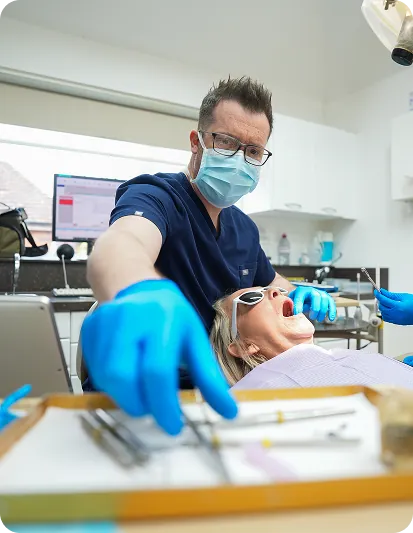
We provide complementary care to prepare for and support implant treatment.
Routine hygiene appointments to support gum health
Gum disease treatment where required before implant work
Temporary restorations during healing stages

Advice on smoking and medicines that can affect healing
Aftercare guidance following implant placement
Regular reviews and maintenance of restorations and components
Preparatory and ongoing care are planned around individual needs and clinical findings.
If you live or work near Hall Mead School and would like to explore dental implants, Start Smiling Dental Practice in Ingatestone welcomes patients from Upminster and the wider Havering area. Travel by car, train or bus is possible, and the team can help schedule appointments that fit your needs.

A consultation is the first step to find out whether dental implants may be appropriate for you. During this visit we will assess your mouth, discuss options and explain any diagnostic tests that may be needed. If you would like further detail about the stages of dental implant treatment, we can go through this with you. For current information about fees and what is included, please ask for our fee guide when you contact the practice by phone on 01277 353456 or via reception.
If you are based near Hall Mead School and would like to discuss dental implants, please call 01277 353456 or contact reception to arrange a consultation.