Replace One Missing Tooth
01
An implant-supported crown may replace one missing tooth where suitable, following clinical assessment and careful planning.
Start Smiling Dental Practice is based in Ingatestone and welcomes enquiries from people near Harold Wood Park who are considering dental implants. If you are exploring tooth replacement options, our team will explain how implants work, what an assessment involves and how treatment may fit your mouth and lifestyle.
We provide private implant care from our Ingatestone practice for people living or spending time near Harold Wood Park. Consultations are calm and patient-focused, covering likely investigations, clinical steps and the choices available for replacing missing teeth.
Appointments are with our dental team who will discuss risks, alternatives and the need for any investigations such as X-rays or digital scans.
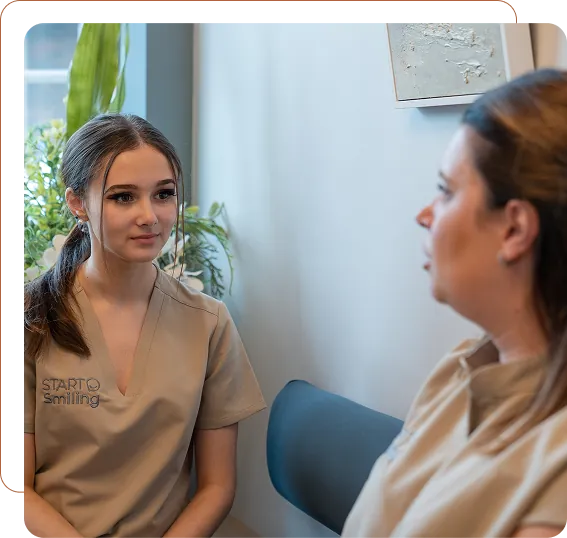
Implant restorations can replace missing teeth and support chewing, appearance and function when clinically suitable.
An implant-supported crown may replace one missing tooth where suitable, following clinical assessment and careful planning.
Multiple implants may support a bridge when more than one tooth is missing, avoiding reliance on adjacent teeth in appropriate cases.
Implants can help anchor loose dentures, improving day-to-day comfort and function where clinically suitable.
Implants provide a stable base for biting and chewing, depending on the clinical situation.
In some cases implants allow replacement without altering nearby healthy teeth.
Implant restorations are shaped and shaded to sit naturally with surrounding teeth and help renew your smile where appropriate.
Implants can form part of a broader restorative plan, leading to a fixed or removable restoration when clinically appropriate.
Where suitable, implants may help maintain oral function and make future dental care more straightforward.
Appointments are with our dental team who will discuss risks, alternatives and the need for any investigations such as X-rays or digital scans.
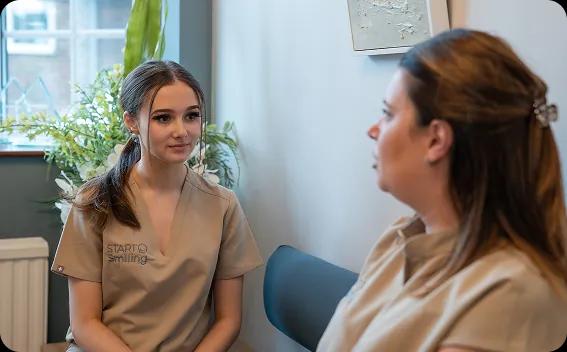
A relaxed, contemporary environment designed for patient comfort and clear communication.
Recommendations reflect your oral health, medical background and treatment goals.
We explain the steps, possible need for scans, and any preparatory care before treatment begins.
Your care is planned and delivered by our clinical team with attention to clinical protocols and follow-up.
Follow-up reviews and advice on maintaining implant health through home care and professional checks.
Costs depend on treatment complexity and number of implants; see our fee guide for current pricing information.
A clinician reviews your oral health, gums, remaining teeth, bite, medical history, medicines and lifestyle factors to assess suitability.
We take X-rays and may use digital scans to plan placement and the type of restoration needed for your dental implant treatment.
Any required dental work, such as treating gum disease or tooth extractions, is completed before implant placement where necessary and some cases may require bone grafting.
The titanium implant, acting as a tooth-root replacement in the jawbone, is placed under local anaesthetic; the team explains what to expect before and after the procedure and that placement is a surgical step.
Time is allowed for the implant to integrate with the bone; you will have reviews to monitor healing and discuss next steps and any signs of non-integration.
Once healed, a crown, bridge or denture is fitted and we outline ongoing maintenance, regular professional reviews and homecare to protect long-term implant health.
Dental implants are an established option for replacing missing teeth, but they are not suitable for everyone. Suitability depends on gum health, the amount and quality of jawbone, remaining teeth, your bite, medical history, medicines and smoking status and a careful assessment and appropriate scans are needed to decide whether implants are clinically appropriate for you.
Because implant treatment is surgical, the team will discuss possible risks, benefits and alternatives before you consent. Implants sometimes need additional procedures such as bone grafting; in other cases treatment proceeds without grafts. Regular maintenance, good oral hygiene and routine professional reviews are important to reduce the risk of complications and help protect long-term implant health, and alternatives such as bridges or dentures will be explained alongside implant options.
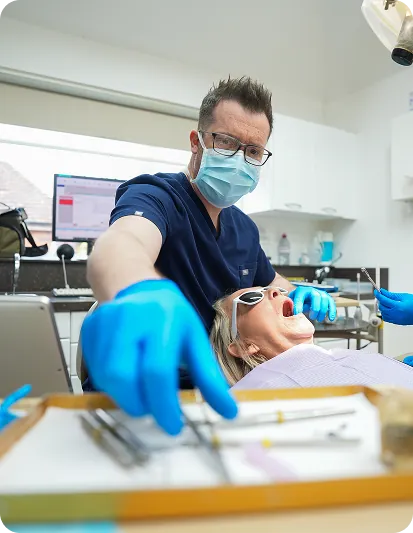
We offer a range of care to prepare for implants and to protect their long-term health.
General dental examinations and restorative treatment to prepare your mouth for implants.
Periodontal care to treat and stabilise gum health where required.
Digital X-rays and scans for accurate planning and records.
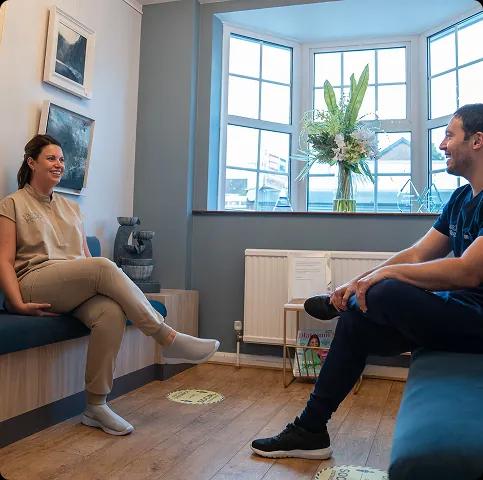
Restorative dentistry such as crowns and bridges that work with implants.
Hygiene appointments and targeted homecare advice to protect implants.
Discussion of sedation or comfort options where clinically appropriate.
Our team can explain comfort and sedation options and the aftercare you can expect following implant treatment.
Start Smiling Dental Practice is in Ingatestone and welcomes enquiries from people near Harold Wood Park. You can travel by car, train, bus or on foot; our reception team can help explain what to expect at your first visit and the assessment process.
If you would like to discuss dental implants from Harold Wood Park, call Start Smiling Dental Practice on 01277 353456 to book a private consultation in Ingatestone. During your appointment we will review your health, take any necessary records and explain suitable treatment options, expected steps and ongoing care. You can also contact the practice for appointments or queries via our contact page.