Replace One Missing Tooth
01
An implant-supported crown may replace one missing tooth where suitable, following clinical assessment and careful planning.
If you live near Harold Wood Primary School and are thinking about replacing one or more missing teeth, Start Smiling Dental Practice in Ingatestone can help you explore dental implants in a relaxed, professional setting. Dental implants are artificial tooth-root replacements that may support a crown, bridge or denture where clinically appropriate. Suitability depends on a clinical assessment of your oral health, bone, gums and general health. Our team will explain the options, likely investigations and the staged process so you can make an informed choice. For more detail about the procedure see dental implant treatment.
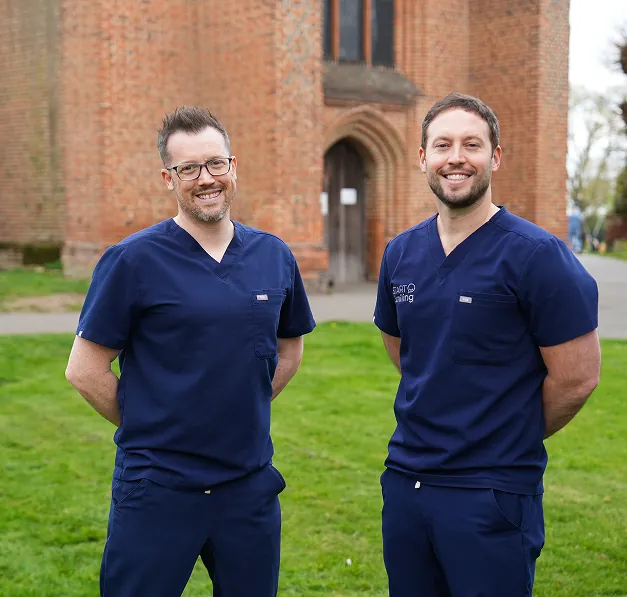
Start Smiling Dental Practice is based in Ingatestone and welcomes patients from Harold Wood Primary School who are considering private dental implant care. We provide a calm, patient-focused service and clear treatment planning so you know what to expect from assessment through to restoration. Care is provided by our dental team, who will coordinate assessments, planning and aftercare with you. For information about the people delivering care see our dental team.

Common ways implants are used
An implant-supported crown may replace one missing tooth where suitable, following clinical assessment and careful planning.
Multiple implants can support a fixed bridge when neighbouring teeth are not suitable for a traditional bridge.
Implants can retain and stabilise dentures so they feel more secure during everyday activities if clinically appropriate.
Start Smiling Dental Practice is based in Ingatestone and welcomes patients from Harold Wood Primary School.
By replacing tooth roots, implants can help support facial soft tissues and reduce the sunken appearance that may follow tooth loss.
Implants can sometimes replace teeth without needing to reduce adjacent healthy teeth, unlike some bridge options.
Implants provide a foundation that can be restored with crowns, bridges or implant-retained dentures depending on your needs.
Well-planned implant restorations can help you speak and smile with more confidence when combined with proper care and maintenance.
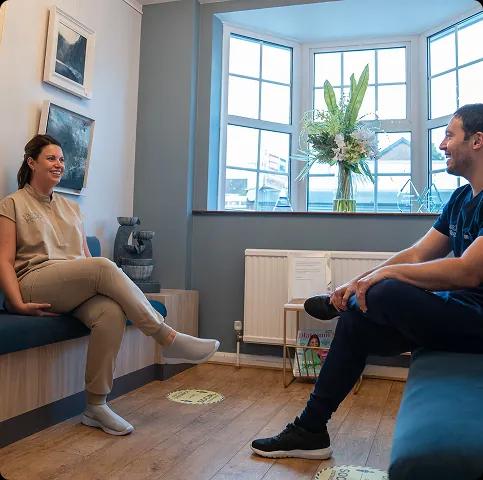
A comfortable practice designed for patient-centred care and clear communication.
Dentists and clinicians work together to plan and restore implant treatments with coordinated care.
Every plan is tailored to your oral health, goals and clinical needs rather than a one-size-fits-all solution.
We explain likely steps, necessary investigations and reasonable alternatives so you can decide with confidence.
Restorations are planned with attention to function and appearance using reputable components and laboratory support.
Aftercare and regular reviews are part of the service to help you maintain long-term implant health.
A clinician will review your medical history, current oral health, medicines and smoking status to consider suitability.
X-rays or digital scans may be taken where clinically appropriate to assess bone and plan implant placement.
Any active gum disease or failing teeth will be treated first; some patients may need procedures such as bone grafting if required.
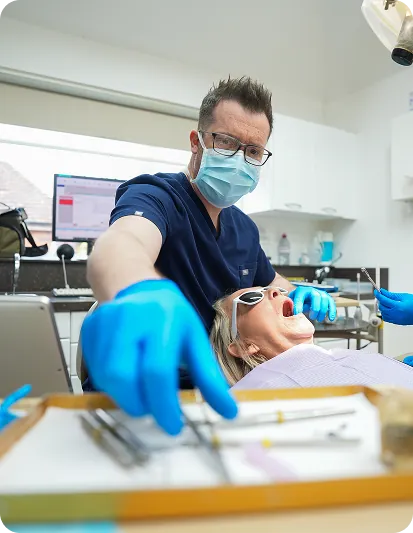
The implant post, commonly a titanium screw, is placed in the jawbone under local anaesthetic; the team will explain what to expect afterwards.
Time is allowed for the implant to integrate with the bone, with clinical reviews to check progress before final restoration.
A crown, bridge or denture is fitted once healing is adequate; long-term success depends on regular reviews and good home care.
Dental implants may be a suitable option for people with one or more missing teeth or for those seeking greater denture stability, but they are not appropriate for everyone. Your dentist will consider gum health, remaining teeth, bite, bone quantity and quality, medical history, current medicines and smoking status when assessing suitability.
Some patients require additional procedures such as bone grafting; others are ready for implant placement after routine preparatory care. Implant treatment carries possible complications and implants do not always integrate successfully. Your dentist will explain risks, benefits and realistic alternatives, which include bridges, dentures or choosing not to replace a tooth.
Additional care that supports implant treatment and long-term health
Routine dental check-ups to spot issues early and keep remaining teeth healthy.
Periodontal (gum) care with treatment for gum disease prioritised before implant work to reduce risks.
Hygiene and maintenance appointments for professional cleaning and tailored advice.
Restorative dentistry with crowns and bridges planned to work with implants and neighbouring teeth. For more detail see crowns and bridges.
Risk review and medical liaison where we consider medical factors and liaise with your doctor if clinically necessary.
Aftercare advice with clear post-procedure instructions and prompt review of any concerns.
If you are travelling from Harold Wood Primary School to attend Start Smiling Dental Practice in Ingatestone you may travel by car, train or bus. When you book we will confirm the practice address and contact details and explain what to bring to your appointment, including a list of medicines and details of past dental treatment.
If you would like to discuss dental implants near Harold Wood Primary School, call Start Smiling Dental Practice on 01277 353456 to arrange an assessment. Start Smiling Dental Practice, 5 Market Place, Ingatestone, Essex, CM4 0BY; during your consultation we will review your oral health, discuss suitable options and explain any recommended investigations and likely next steps.