Replace One Missing Tooth
01
An implant-supported crown may replace one missing tooth where suitable, following clinical assessment and careful planning.
Dental implants are artificial tooth-root replacements, commonly titanium posts, placed into the jawbone to support replacement teeth. They can carry a single crown, support an implant bridge or help to retain or stabilise a denture. If you are researching dental implants near Havering Sixth Form College, this page explains dental implant treatment and what to expect before you consider a consultation. dental implant treatment
Start Smiling Dental Practice is based in Ingatestone and welcomes enquiries from people at Havering Sixth Form College who are exploring private dental implant options. We offer calm, modern care and will explain clinical steps, likely investigations and alternative treatments so you can make an informed choice.

Dental implants can help in several ways, from replacing single teeth to improving denture stability.
An implant-supported crown may replace one missing tooth where suitable, following clinical assessment and careful planning.
Multiple implants can support a bridge when more than one tooth is missing without relying solely on neighbouring teeth.
Implants can improve denture stability or retention for some denture wearers, making chewing and speech easier.
Implants can restore chewing ability and help maintain normal bite relationships where appropriate.
Replacing visible gaps with an implant-supported restoration can help you feel more comfortable smiling.
In some cases an implant avoids preparing healthy neighbouring teeth for a conventional bridge.
Implants are often part of a broader restorative plan that considers future oral health needs.
Crowns, bridges and denture attachments are planned to match tooth shape and colour for a natural appearance.
We explain options clearly and involve you in decisions about implant treatment.
Imaging and digital planning are used where appropriate to support accurate treatment decisions.
Clinicians provide restorative and implant-related care as part of general dental services. our dental team
We discuss clinical risks, sequence of treatment and alternative options before any decision.
Maintenance, hygiene support and review visits are part of our approach to long-term implant health.
Appointments are offered privately with time to discuss comfort, planning and expected stages.
A clinician will review your medical history, medicines, gum and tooth health, your bite and lifestyle factors to assess suitability.
X-rays and digital scans may be taken to plan implant position and to decide if bone grafting or other preparatory work is needed.
Treatments such as gum therapy, extractions or bone augmentation are completed first if required.
The implant is usually placed under local anaesthetic; the clinician will explain the procedure and aftercare.
Time is allowed for the implant to integrate with the jawbone and for soft tissues to heal, with reviews to monitor progress.
A crown, bridge or denture attachment is fitted when healing is sufficient, and ongoing hygiene and professional reviews are advised.
Dental implants may be suitable if you have one or more missing teeth or want denture stabilisation, but they are not appropriate for everyone. Suitability depends on oral health, gum condition, remaining teeth, bone quantity and quality, your bite, overall medical history, current medicines and lifestyle factors such as smoking.
Implant treatment is a surgical procedure and carries risks, including the possibility that an implant may not integrate or complications may develop. Alternatives such as conventional bridges or dentures remain valid options and will be discussed alongside likely benefits, limitations and next steps during a clinical assessment.
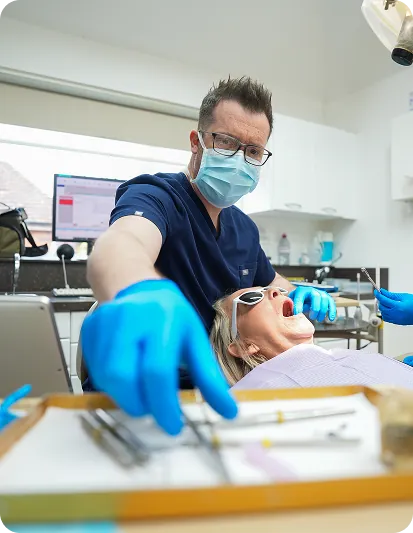
We offer complementary treatments and monitoring to support implant outcomes.
Routine hygiene appointments to support gum health before and after implant treatment.
Periodontal care to treat active gum disease where present.
Restorative dentistry for crowns, bridges and denture restorations.

Digital imaging and scanning to assist accurate treatment planning.
Advice on smoking, medicines and medical conditions that can affect implant success.
Regular review visits to monitor implants and surrounding tissues.
If you are at Havering Sixth Form College and are considering dental implants, you can travel to our Ingatestone practice by car, bus or train. Call us to discuss appointment options and the records or information to bring for an initial assessment.

If you would like to discuss dental implants near Havering Sixth Form College, contact Start Smiling Dental Practice to arrange a consultation at our Ingatestone practice. Call 01277 353456 to speak with our reception team, discuss likely next steps and where to find our fee information. our fee guide