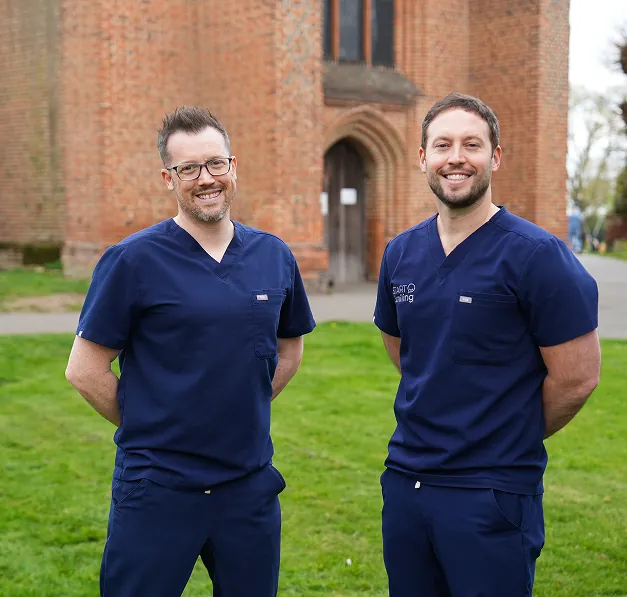
Replace One Missing Tooth
01
An implant-supported crown may replace one missing tooth where suitable, following clinical assessment and careful planning.
If you live near Hornchurch Country Park and are considering dental implants, options can be explained following an assessment of your needs. We welcome enquiries from the Hornchurch and Havering area and provide assessment, planning and restorative dental care. You can travel to the practice by car or regional public transport.
A private dental practice offering modern restorative and cosmetic care from Ingatestone, with treatment planned only when clinically appropriate. If you would like more detail about the procedures we offer, read about our dental implant treatment.
Our clinicians co-ordinate assessment, surgery and final restorations with clear handover between stages and will explain risks, alternatives and what to expect before any treatment begins.
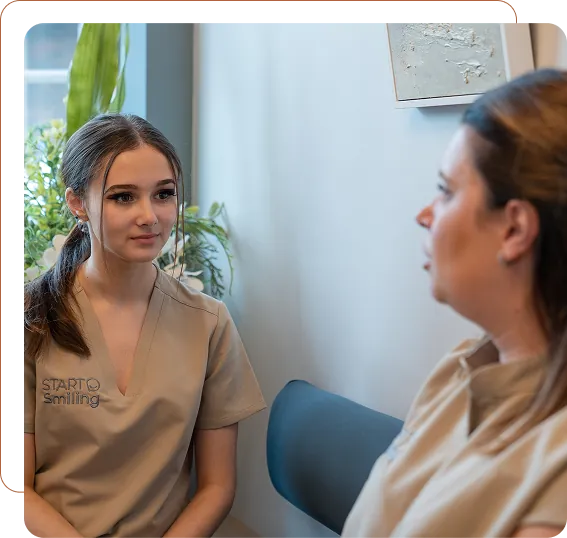
Dental implants can address a range of problems depending on clinical suitability and individual needs.
An implant-supported crown may replace one missing tooth where suitable, following clinical assessment and careful planning.
Multiple implants can be used to support fixed bridges to restore adjacent missing teeth and rebuild chewing function where appropriate.
Implants can help retain or stabilise removable dentures to improve comfort and chewing when clinically suitable.
An implant-supported replacement can often avoid altering neighbouring healthy teeth that would otherwise be prepared for a bridge in some cases.
Implants can provide a secure foundation for restorations that may help with biting and chewing in many situations.
When implants integrate with bone they provide support for crowns, bridges or overdentures, recognising that outcomes vary by case.
Replacing missing teeth with implant-supported restorations can help speech clarity in some situations.
Appropriate planning may help support facial tissues affected by tooth loss when clinically suitable.
Assessments determine which benefits may apply in each individual case.
We explain options clearly and involve you in decisions about implant treatment, reviewing your goals alongside clinical findings.
Records and imaging are used where clinically required to plan implant cases, with planning tailored to each patient's needs.
Clinicians work together to coordinate assessment, surgery and final restorations, with clear handover between stages and information about each phase available from our dental team.
You will be given information about risks, alternatives and what to expect before any treatment begins to support informed decisions.
We emphasise hygiene and regular review to support longer term implant health after treatment.
A calm, modern environment is designed to make visits comfortable and efficient.
A clinician reviews your medical history, medicines, smoking status and oral health to determine suitability for implants.
X-rays and/or digital scans may be taken when clinically necessary to plan implant position and the final restoration.
Active gum disease or other dental problems are treated first; some patients need bone grafting, confirmed only after assessment.
Implants are placed surgically, commonly under local anaesthetic; anaesthesia options and aftercare are discussed beforehand.
Time is allowed for the implant to integrate with bone, with follow-up visits to check healing; timings vary by case.
A crown, bridge or denture is fitted when appropriate and regular hygiene and review appointments are arranged.
Dental implants may be a suitable option if you have one or more missing teeth and adequate bone and gum health, but suitability depends on many individual factors. A clinical assessment is required to review your medical history, medicines, oral health, smoking status and the quality and quantity of bone where the implant would be placed.
Some patients need additional treatment such as bone grafting or gum therapy before implant placement, and implants are not suitable for everyone. We will discuss alternatives such as bridges or conventional dentures and explain likely benefits, risks and necessary follow-up so you can make an informed choice.
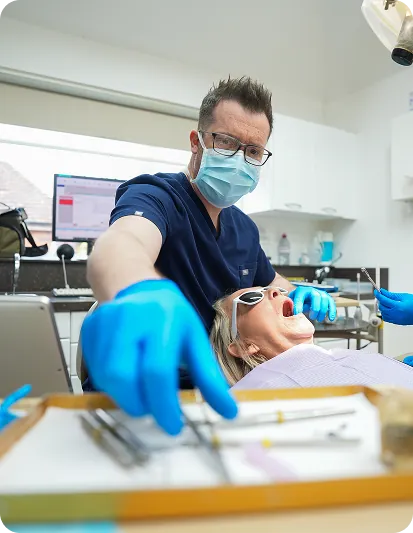
Additional treatments and services to support implant planning and aftercare.
Periodontal care: Treatment and monitoring for gum health before and after implant work.
Restorative dentistry: Crowns, bridges and denture design to work with implants.
Radiographic and digital imaging: Planning records when clinically required.
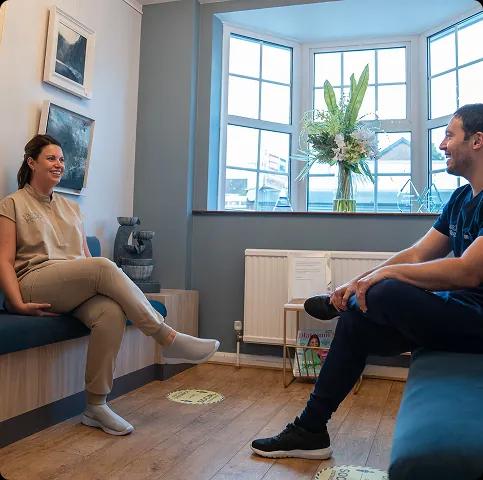
Hygiene appointments: Regular professional cleaning to support implant health and maintenance.
Medical history review: Co‑ordination with your wider medical needs and medications.
Aftercare guidance: Practical advice for home care and what to expect during healing.
If you are travelling from Hornchurch Country Park, you can reach our Ingatestone practice by car or regional public transport. The team will provide practical appointment information and can answer routine queries about accessibility when you get in touch.
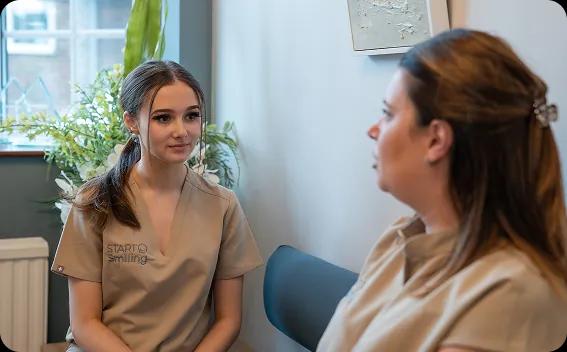
To explore dental implants from Hornchurch Country Park and whether they may be suitable for you, call Start Smiling Dental Practice on 01277 353456 to arrange an initial consultation at our Ingatestone practice, or use our contact us page. A consultation includes a clinical review and discussion of potential next steps; further investigations such as X-rays or scans will be recommended only if clinically appropriate.