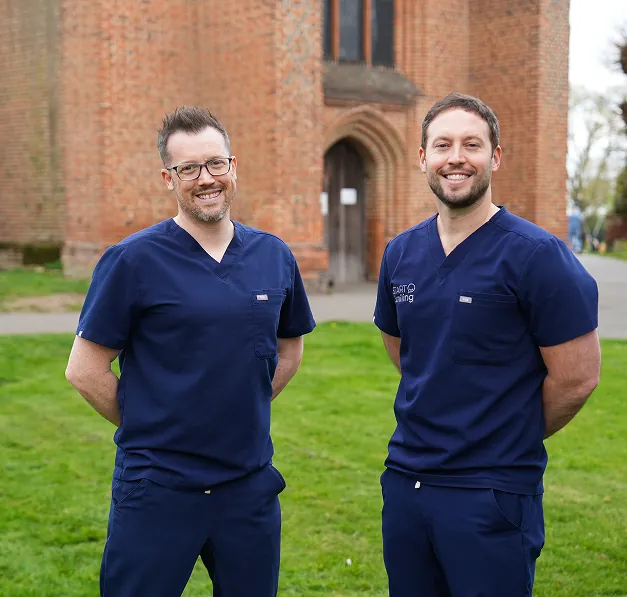
Replace One Missing Tooth
01
An implant-supported crown may replace one missing tooth where suitable, following clinical assessment and careful planning.
If you are searching for dental implants near London Stansted Airport, Start Smiling Dental Practice in Ingatestone can help you explore whether implant treatment is a suitable option for your missing teeth. Dental implants are small artificial roots placed in the jaw, commonly titanium posts, used to support a crown, bridge or denture where clinically appropriate. We will explain the assessment, likely steps, risks and alternatives so you can make an informed decision.
Start Smiling Dental Practice is a private dental practice based in Ingatestone, Essex. We provide calm, modern general, cosmetic and restorative dentistry and welcome enquiries from patients travelling from London Stansted Airport by car, train, coach or taxi. Our team will discuss your needs, medical history and expectations before recommending any dental implant treatment.
Common ways implant-supported restorations can help replace missing teeth and restore function.
An implant-supported crown may replace one missing tooth where suitable, following clinical assessment and careful planning.
Implants can support bridges to replace consecutive missing teeth without relying on adjacent natural teeth.
Implant-retained attachments can make a denture more stable and comfortable when clinically suitable.
Multiple implants can be used to support fixed or removable restorations for people missing many teeth.
Implants can help restore chewing ability and speech when used appropriately and maintained well.
Implant restorations are designed to look like natural teeth and may help you feel more comfortable smiling.
Using implants to replace teeth can avoid preparing adjacent healthy teeth for a bridge in some situations.
Replacing a missing root with an implant may help support surrounding bone in certain situations, subject to clinical factors.
We prioritise clear explanations and shared decision making so you understand your options.
Our practice uses up-to-date equipment to support careful assessment and planning.
Care is provided by our dental team who will explain likely steps and aftercare.
Plans are tailored to your oral health, medical history and personal goals.
We discuss risks, alternatives and maintenance openly so you know what to expect.
We support long-term implant health with reviews and hygiene advice.
A clinician will review your medical and dental history and examine your mouth to consider suitability.
X-rays and digital scans may be requested to assess bone and plan implant position where clinically appropriate.
Any gum disease or failing teeth will be treated first; some patients may need procedures such as bone grafting or tooth removal.
The implant is usually placed under local anaesthetic; the clinician will explain the procedure, risks and aftercare in advance.
Time is allowed for the implant to integrate with the jawbone and reviews will check healing and oral health.
A crown, bridge or denture is fitted when appropriate and ongoing hygiene and review appointments are arranged.
Suitability for dental implants depends on a thorough clinical assessment rather than a single factor. The team will consider gum health, oral hygiene, remaining teeth, bite, bone quantity and quality, medical history, medicines, smoking status and your treatment goals.
Some people are suitable for straightforward implant placement, while others need preparatory work such as gum treatment or bone augmentation. We will explain realistic outcomes, possible complications and alternatives such as bridges, conventional dentures or no replacement so you can weigh options.
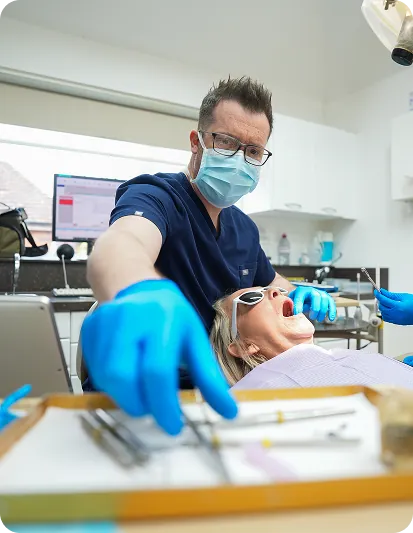
Services we provide to support implant assessment and long-term care.
Oral health assessments to check suitability for implants.
Gum disease treatment to prepare the mouth for implant work.
Digital imaging and records where clinically appropriate.
Restorative dentistry for crowns, bridges and denture work.
Maintenance visits and hygiene support for long-term implant care.
Advice on smoking, medicines and other factors that affect implant success.
If you are travelling from London Stansted Airport, Start Smiling Dental Practice is based in Ingatestone and welcomes patients arriving by car, train, coach or taxi. Our team can help you prepare for your first appointment and explain what to bring to your consultation.
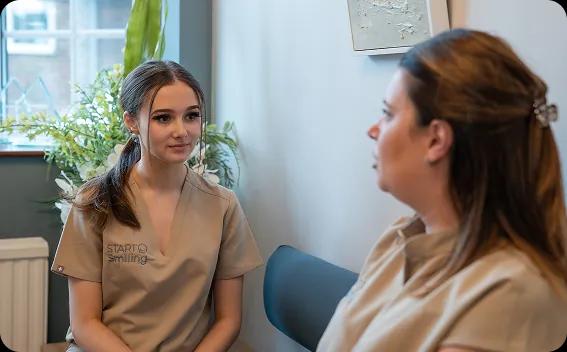
If you would like to discuss dental implants near London Stansted Airport, contact Start Smiling Dental Practice in Ingatestone to arrange a consultation about dental implants. We will review your health, discuss suitable options and explain the next steps, including any investigations that may be needed. Call 01277 353456 to speak with our team and find out how we can help.