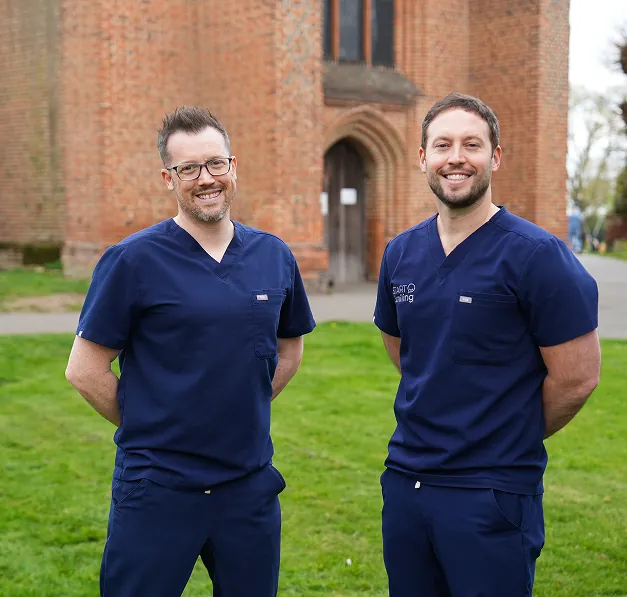
Replace A Full Arch Of Teeth
01
Multiple dental implants may support replacement teeth for a complete upper or lower arch where clinically appropriate, following detailed assessment and planning.
If you live near Abbs Cross Academy and Arts College, full arch dental implants replace or restore a complete upper or lower arch when multiple teeth are missing or have a poor prognosis.
Multiple dental implants are placed in the jawbone to support replacement teeth across a full upper or lower arch. The restorative solution may be a fixed implant-supported bridge or a removable implant-retained overdenture depending on clinical assessment and your goals. Because this involves surgery and ongoing maintenance, the team explains likely investigations and choices so you can make an informed decision.
If you live, work or study near Abbs Cross Academy and Arts College and are exploring full arch dental implants, Start Smiling Dental Practice is based in Ingatestone and welcomes enquiries. Your assessment and treatment planning are coordinated by our dental team, who will explain clinical steps, likely investigations and alternatives before any decision is made.
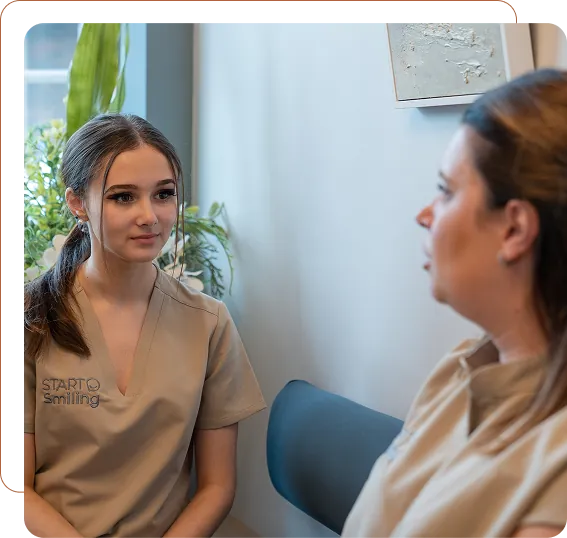
Start Smiling Dental Practice is based in Ingatestone and welcomes patients from Abbs Cross Academy and Arts College.
Multiple dental implants may support replacement teeth for a complete upper or lower arch where clinically appropriate, following detailed assessment and planning.
Full-arch treatment can substitute for an arch with several unrestorable teeth, avoiding repeated single-tooth fixes in some cases when this is the most suitable approach.
An implant-retained overdenture can offer greater stability and confidence compared with some conventional dentures.
Implant-supported restorations can improve chewing ability depending on individual circumstances and the selected restorative design.
Replacing lost teeth can help re-establish bite relationships and support facial tissues where changes have occurred.
A planned full-arch restoration may reduce the need for repeated repairs to individual failing teeth when this is the most suitable approach.
Detailed planning with scans and models aims to deliver natural-looking teeth and a comfortable bite.
Restorations that fit stably can help with speech that has been affected by missing teeth or an unstable denture.
Care that focuses on clear explanations so you can decide without pressure.
Imaging and models are used to shape a tailored clinical plan.
Aiming for natural-looking replacement teeth that work with your bite and appearance.
We explain risks, benefits and alternatives so you understand potential outcomes before you commit.
Agreed schedules for reviews and prosthetic care help support ongoing implant health.
Appointments are arranged with time to answer questions and discuss practicalities.
Your medical history, gum health, remaining teeth, bite and oral-hygiene ability are reviewed to assess suitability and help form an individual plan.
X-rays, digital scans or 3D imaging may be used to plan implant position and a restoration; this planning sits within our wider approach to dental implant treatment.
Stabilising gum disease, removing unrestorable teeth or recommending grafting may be required for some patients before implants are placed.
Implants are placed surgically into the jawbone under local anaesthetic, with the team explaining what to expect before and after the procedure.
Implants need time to integrate with bone and the team monitors healing; temporary restorations may be used where appropriate, and final teeth are fitted when clinically ready.
The definitive bridge or overdenture is fitted and a maintenance plan for cleaning and professional review is agreed to support long-term health.
Suitability varies between patients and depends on many factors including oral and general health, the condition of remaining teeth, jawbone quality, bite relationships, current medicines, smoking status, your ability to maintain hygiene and your expectations.
Full-arch replacement is not automatically the best option simply because several teeth are missing; retaining and restoring suitable remaining teeth may be preferable in some cases. We will discuss alternatives such as conventional dentures, implant-retained removable options, restoring suitable teeth with crowns and bridges or choosing no treatment, and we will explain that implants and restorations can develop biological or mechanical complications and that one or more implants may fail to integrate.
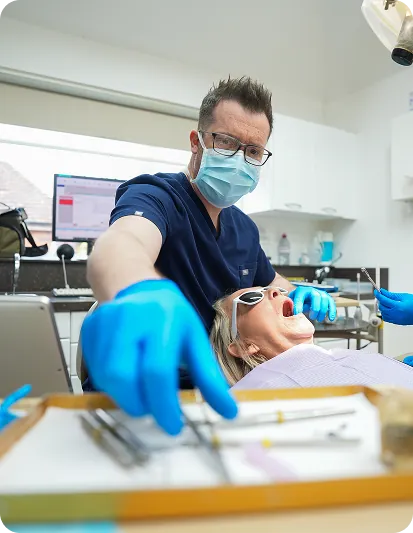
Support services that help maintain implant and gum health.
Professional hygiene care to maintain plaque control and gum health is available as part of follow-up. Professional hygiene care supports long-term implant health alongside home cleaning.
Periodontal assessment and treatment where gum disease is present.
Restorative dentistry including crowns and bridges to preserve suitable remaining teeth when appropriate.
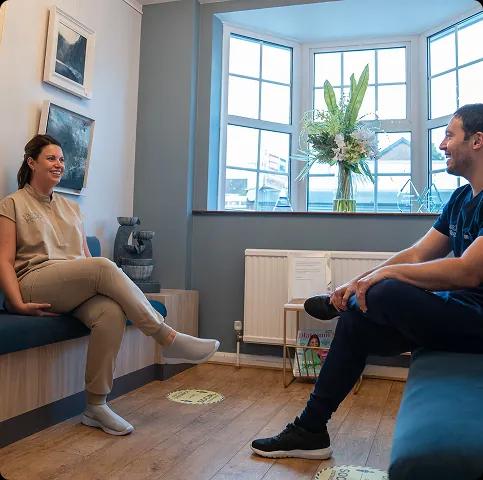
Local anaesthetic and comfort measures during procedures.
Long-term recall and implant review appointments to monitor the health of implants and the prosthesis.
Start Smiling Dental Practice is located in Ingatestone and welcomes patients from Abbs Cross Academy and Arts College. People commonly travel by car, rail or bus to attend detailed assessments and restorative appointments; we will help you plan visits that suit your needs and timetable.
If you would like a private assessment of full arch dental implant options, call Start Smiling Dental Practice on 01277 353456 to arrange a consultation.
For people seeking full arch dental implants near Abbs Cross Academy and Arts College, a consultation includes a clinical assessment, discussion of investigations and an outline of treatment options and next steps.