Replace A Full Arch Of Teeth
01
Multiple dental implants may support replacement teeth for a complete upper or lower arch where clinically appropriate, following detailed assessment and planning.
In full arch care, multiple dental implants are placed in the jawbone to support replacement teeth across a full upper or lower arch. Implants act as artificial tooth-root replacements and the final restoration may be a fixed implant-supported bridge or a removable implant-retained overdenture depending on what is clinically appropriate for you.
Start Smiling Dental Practice is a private dental practice in Ingatestone offering calm, patient-focused planning for full arch dental implant treatment. We will explain the clinical choices, likely preparatory care and the ongoing maintenance you can expect so you can make an informed decision. Your assessment and treatment planning are coordinated by our dental team, with each stage described before you commit to treatment.
If you would like more detail about implant options and the clinical pathway we follow, our dental implants information page outlines typical investigations, planning steps and restorative choices. Full dental implants information is available to help you prepare for a consultation.
Full arch implant care can address complete tooth loss and improve function, comfort and appearance depending on your clinical needs.
Multiple dental implants may support replacement teeth for a complete upper or lower arch where clinically appropriate, following detailed assessment and planning.
Implant-retained restorations can give a removable denture a firmer fit and improved day-to-day comfort for some patients.
Implant-supported teeth can help you chew more effectively than some conventional denture options, depending on your situation.
Implant-supported restorations can help maintain facial contours where multiple missing teeth have reduced structural support.
A full-arch plan can be considered where several teeth cannot be reliably restored and removal is necessary for long-term care.
Well-made implant restorations aim for a natural appearance that integrates with surrounding gum tissue when realistic expectations are set.
Restorations can be planned to suit your daily hygiene routine and long-term maintenance needs, which will be discussed in advance.
Full-arch treatment combines surgical and prosthetic planning to provide a predictable restorative pathway when clinically suitable.
We will explain which of these potential benefits apply to you during assessment and planning.
We explain options clearly and take time to answer your questions so you can make an informed choice.
Appropriate imaging and digital records are used to plan implant positions and the final restoration.
The prosthetic design aims to match your face and bite, focusing on function as well as appearance.
Surgical steps and prosthetic design are planned together to create a clear sequence of treatment.
We explain benefits, limitations and other options so consent and expectations are realistic.
Long-term success depends on review and care, and we support you with a maintenance plan and professional follow-up.
A clinician reviews your general health, medical history, gum health, remaining teeth, bite and oral hygiene to determine suitability.
X-rays, digital scans or 3D imaging may be taken where clinically appropriate to plan implant positions and the final restoration.
Stabilising gum disease, extracting teeth that cannot be saved or other preparatory work may be recommended before implants are placed.
Implant placement is a surgical procedure commonly carried out under local anaesthetic; sedation options will be discussed if appropriate.
The healing period allows implants to integrate with the jawbone and will be reviewed; some plans include provisional restorations during this phase.
The final bridge or overdenture is fitted when clinically appropriate and a schedule for professional review and cleaning is agreed.
Suitability varies between patients and requires an individual clinical assessment. Full-arch replacement may be considered when many teeth are missing, when remaining teeth have a poor prognosis, or when someone struggles with a conventional denture, but remaining teeth are always assessed first and do not need to be removed automatically.
Factors such as gum health, bone quantity and quality, medical history, medicines, smoking, ability to maintain hygiene, bite relationships and your expectations all influence whether full-arch treatment is appropriate. Alternatives may include conventional dentures, implant-retained removable dentures, restoring suitable remaining teeth with crowns and bridges, or maintaining natural teeth where clinically sensible.
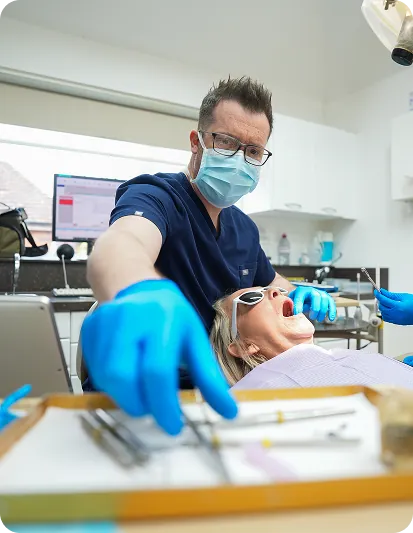
Complementary treatments support implant planning, surgery and long-term care.
Professional hygiene care
Restorative dentistry
Periodontal treatment
Tooth extraction and socket management
Prosthetic adjustments and repairs
Ongoing reviews
We coordinate these services when they are needed as part of a full arch treatment plan.
The practice is based in Ingatestone and welcomes enquiries from people in Boreham. Travel by car, bus or train may be an option for visits; we will provide practical information about attending the Ingatestone practice when you book.
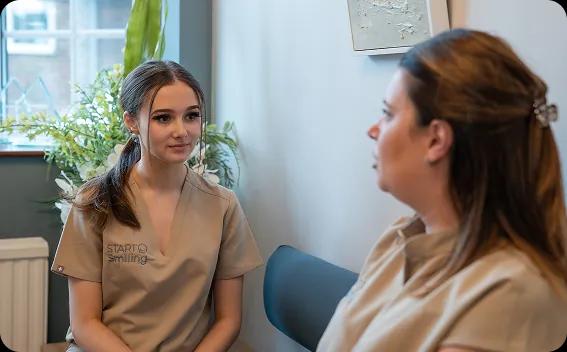
If you would like to explore full arch dental implants and how they may help you, call 01277 353456 to arrange a consultation at our Ingatestone practice. We will explain the assessment process, potential investigations and provide a personalised estimate once a clinical plan has been agreed for full arch dental implants for patients from Boreham.