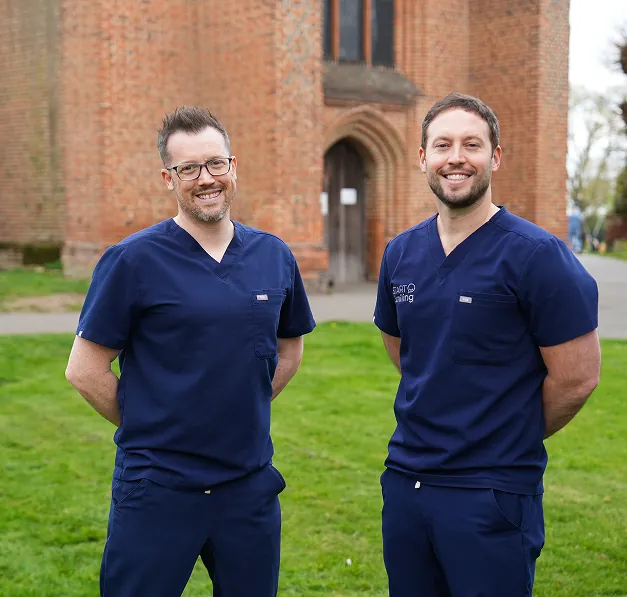
Replace A Full Arch Of Teeth
01
Multiple dental implants may support replacement teeth for a complete upper or lower arch where clinically appropriate, following detailed assessment and planning.
If you are looking for full arch dental implants near Brentwood, Start Smiling Dental Practice in Ingatestone offers patient-focused assessments and restorative planning. Multiple dental implants are placed in the jawbone to support replacement teeth across a full upper or lower arch, and the specific clinical approach depends on your anatomy, bone and restorative goals. Your clinician will explain the likely steps, the investigations that may be needed and the considerations that matter most for a long-term result, so you can make an informed choice that fits your life and expectations. Where helpful, we can discuss the details of your full arch dental implant treatment during an assessment.
Start Smiling is a private dental practice in Ingatestone welcoming patients from Brentwood who want a considered, premium approach to replacing a full arch of teeth. Consultations are calm and patient-centred, diagnostics are modern and restorative planning prioritises oral health and a natural appearance. Your assessment and treatment planning are coordinated by our dental team, with each stage explained before you decide how to proceed. You can also read about dental implants at our dental implants treatment page.
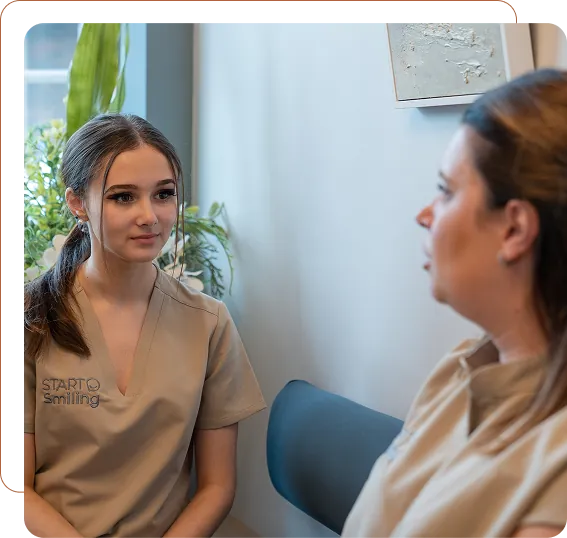
Start Smiling Dental Practice is based in Ingatestone and welcomes patients from Brentwood.
Multiple dental implants may support replacement teeth for a complete upper or lower arch where clinically appropriate, following detailed assessment and planning.
Start Smiling Dental Practice is based in Ingatestone and welcomes patients from Brentwood.
A carefully planned restoration can help you chew more comfortably depending on your bite and the chosen prosthesis.
Restorations shaped to fit your anatomy can help restore support for lips and cheeks and improve overall facial appearance.
Implant-retained options can reduce slipping and the need for adhesive in many cases, depending on the prosthesis.
By transferring force to implants rather than soft tissues, some patients experience fewer sore areas under a denture.
Implant restorations can be professionally maintained and reviewed regularly to manage wear, components and gum health.
Plans can provide fixed bridges or removable overdentures depending on your preference, hygiene ability and clinical findings.
We take time to explain clinical findings, options and likely outcomes so you can make a comfortable, informed decision.
We use appropriate imaging and digital records to plan implant placement and the final restoration carefully.
Planning emphasises natural-looking teeth and a stable bite to support your long-term oral health.
Surgical and restorative stages are coordinated so you meet the clinicians responsible for each phase.
We discuss risks, alternatives and maintenance requirements so you understand what to expect before committing.
Care is delivered in a calm, modern setting with attention to comfort and thorough aftercare.
We review your oral health, gum condition, remaining teeth, bite, medical history, medicines, smoking status and expectations.
X-rays, digital scans and 3D imaging may be taken where appropriate to plan implant position and the prosthesis.
Active gum disease is stabilised and any teeth that cannot be maintained are discussed; bone grafting is offered only when needed.
Implants are placed surgically under local anaesthetic, with the surgical and restorative steps planned together.
Healing and integration vary between patients; progress is reviewed and the plan adjusted before fitting the final restoration.
When clinical criteria are met the final bridge or overdenture is fitted and a professional maintenance schedule is agreed.
Suitability varies between patients and requires an individual clinical assessment. Full arch treatment may be considered when many or all teeth in an arch are missing, when remaining teeth have a poor prognosis, or when a conventional denture causes significant problems. Remaining teeth are assessed individually and teeth that can be reasonably maintained may be retained as part of your personalised plan; removal is not automatic.
Factors such as gum health, bone volume and quality, your bite, medical history, medicines you take, smoking and daily oral hygiene are all considered. The clinician will explain alternatives, potential risks and likely benefits so you can decide whether a full arch approach fits your needs and expectations. It is important to understand that implants can fail to integrate and prosthetic complications can occur; the team will discuss contingency options and maintenance commitments before treatment begins.
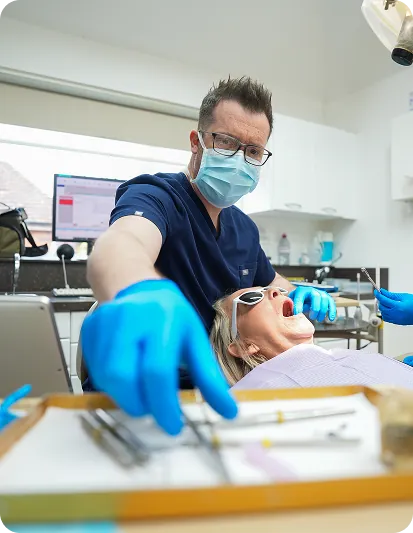
Additional care and maintenance support to protect gum health and implant restorations.
Professional hygiene care to support gum health and implant maintenance
Restorative work on remaining teeth where beneficial
Periodic clinical reviews to monitor implant and gum health
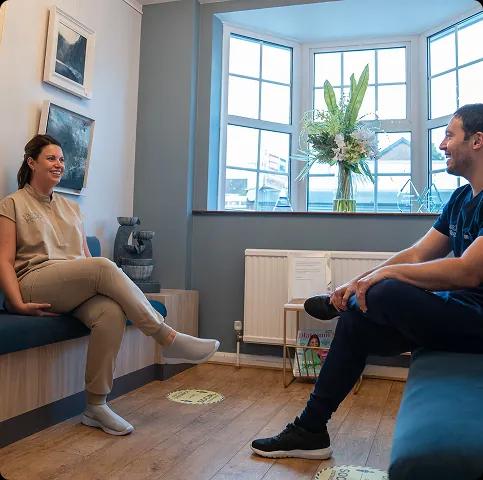
Advice and practical coaching on cleaning around implant restorations
Management of repairs or component replacements when required
Clear follow-up plans after surgical and restorative stages
Start Smiling Dental Practice is in Ingatestone and welcomes patients travelling from Brentwood by car, train or bus. We will explain what to expect at each appointment and help you prepare for assessments and treatment visits.
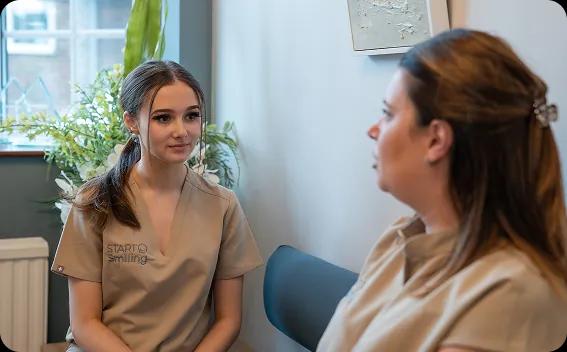
If you would like to discuss full arch dental implants near Brentwood, call Start Smiling on 01277 353456 to book an initial consultation and assessment at our Ingatestone practice.
During the consultation the clinician will review your clinical situation, explain suitable options and outline any investigations or preparatory care that may be needed.