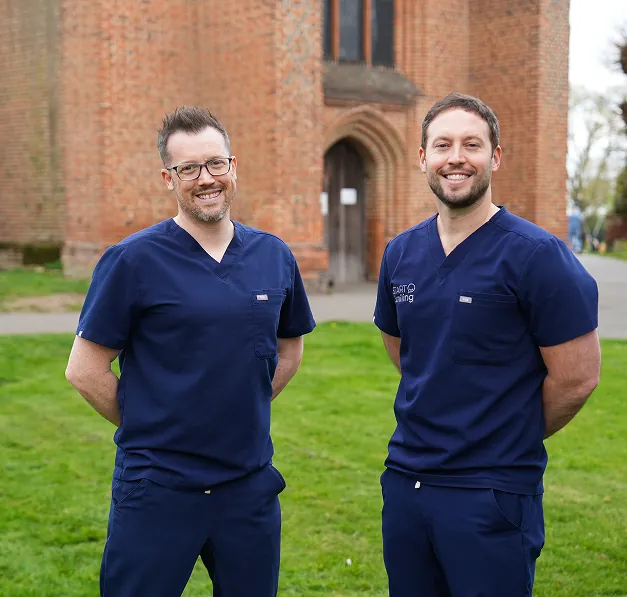
Replace A Full Arch Of Teeth
01
Multiple dental implants may support replacement teeth for a complete upper or lower arch where clinically appropriate, following detailed assessment and planning.
Full arch dental implants replace or restore an entire upper or lower set of teeth using implants and replacement teeth, with clear planning and honest discussion of options for people from Brentwood Business District. Multiple dental implants are placed in the jawbone to support replacement teeth across a full upper or lower arch. The final restoration may be a fixed implant-supported bridge or a removable implant-retained overdenture depending on your clinical plan and preferences.
Start Smiling Dental Practice is a private dental practice based in Ingatestone that offers full arch dental implants for people travelling from Brentwood Business District and nearby areas. Your assessment and treatment planning are coordinated by our dental team, who will explain the clinical choices, likely stages and what to expect before you decide how to proceed.
A personalised estimate is provided after assessment and any required imaging. Treatment is planned to reflect your clinical needs and preferences and will be discussed openly to support informed consent.
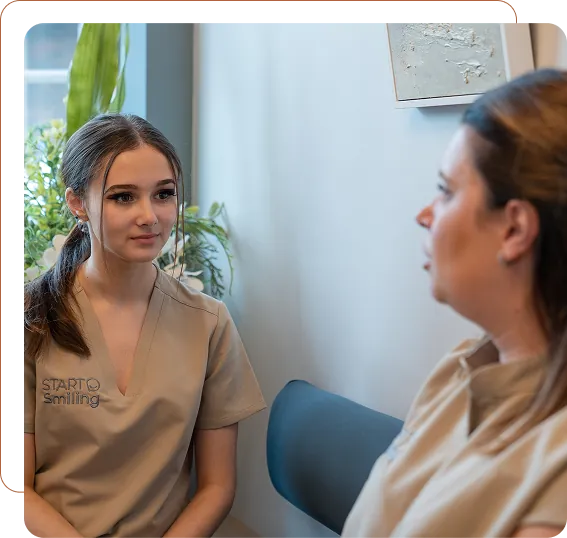
Benefits of full arch implant restorations include improvements to function, comfort and appearance when clinically appropriate.
Multiple dental implants may support replacement teeth for a complete upper or lower arch where clinically appropriate, following detailed assessment and planning.
Implant-supported restorations can reduce unwanted movement and increase comfort for patients who find conventional dentures unstable.
Well planned implant restorations can help you regain more efficient biting and chewing compared with some denture-only options, depending on your situation.
A carefully designed restoration can help maintain facial proportions and lip support that may be affected by tooth loss.
Some implant restorations are cleaned with familiar routines, and professional maintenance supports long-term hygiene and implant health.
Replacing a problematic denture or worn dentition with an implant restoration can reduce sore spots and tissue soreness in many cases.
Teeth that can be reasonably maintained will be assessed and preserved where clinically suitable, rather than removed automatically.
A stable, well fitting restoration can help you feel more comfortable when speaking and smiling in social or work settings.
Benefits depend on your individual clinical situation and are discussed during assessment and planning.
We take time to listen and explain treatment choices in plain terms so you can make an informed decision.
Where clinically appropriate we use digital scans and X-rays to support careful planning of implant procedures.
Restorations are planned with form, function and a natural appearance in mind.
You receive a tailored plan and a written estimate after assessment and any required imaging.
We provide review appointments and professional upkeep to support long-term oral health around implants.
Fees and likely clinical steps are discussed openly as part of informed consent and planning.
A clinician will review your gum health, remaining teeth, bite, medical history, medicines and lifestyle factors to judge suitability.
X-rays, digital scans and sometimes 3D imaging are used where clinically appropriate; these records support careful full arch dental implant treatment planning and prosthetic design.
This may include stabilising gum disease, maintaining teeth that can be kept, removing teeth that cannot be preserved, or bone grafting if clinically required.
Implants are placed surgically, commonly under local anaesthetic; the exact approach depends on your anatomy and the agreed plan.
Implants require time to integrate with the jawbone. Healing varies between patients and some plans include provisional restorations during this period.
The final bridge or denture is fitted when clinically appropriate, followed by regular reviews and professional care to manage hygiene and function.
Suitability varies between patients and depends on a careful clinical assessment. Full arch treatment may be considered where many teeth are missing, when remaining teeth have a poor prognosis, or when a conventional denture does not meet your needs.
The assessment examines gum health, bone quantity and quality, bite, medical history, medicines, smoking status, oral hygiene ability and your expectations. Remaining teeth that can be reasonably maintained will be discussed and preserved where appropriate rather than removed automatically.
We will explain alternatives such as conventional dentures, implant retained removable dentures, retaining and restoring suitable teeth, or choosing not to proceed. It is important to understand that implants and prosthetic components can develop biological or mechanical complications, and one or more implants may fail to integrate; these risks and options to manage them are part of informed consent and planning.
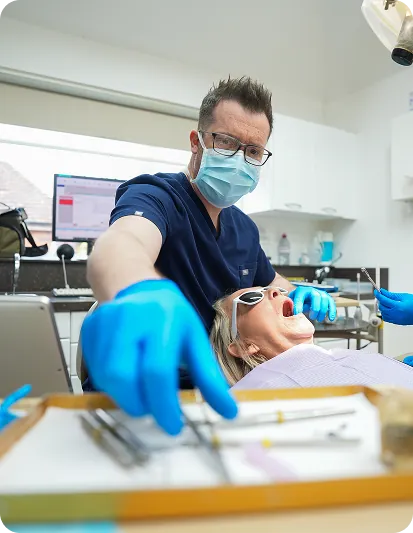
Additional services support implant treatment planning, healing and long-term maintenance.
Professional hygiene care to support gum health before and after implant treatment, including tailored maintenance plans and checks involving professional hygiene care.
Restorative dentistry including crowns and bridges where needed to support or retain suitable teeth.
Oral surgery and implant aftercare guidance to manage healing and any concerns.
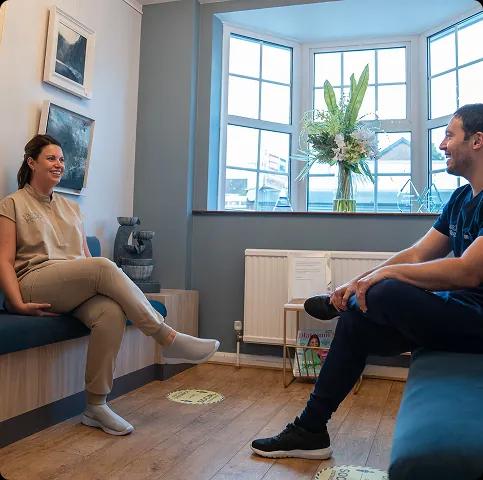
Custom provisional restorations while healing is monitored to maintain appearance and function.
Advice on cleaning around implant restorations and daily care techniques to protect long term outcomes.
Compassionate dental anxiety support for nervous patients, with appointments planned to reduce stress and build confidence.
These services are coordinated as part of a personalised treatment plan and ongoing maintenance.
If you are travelling from Brentwood Business District to Start Smiling in Ingatestone, you can reach us by car, train or bus. Our team will explain what to bring to your appointment and what to expect during the initial assessment, including any imaging or records needed.
If you would like a private consultation about full arch dental implants for patients from Brentwood Business District, call Start Smiling Dental Practice on 01277 353456 to arrange an appointment.
A clinical assessment, any necessary imaging and a personalised estimate will be provided in line with the current fee guide once your needs are understood.