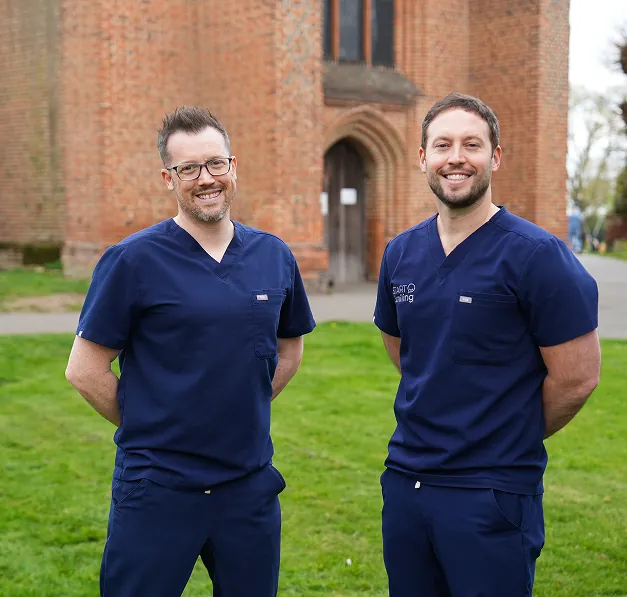
Replace A Full Arch Of Teeth
01
Multiple dental implants may support replacement teeth for a complete upper or lower arch where clinically appropriate, following detailed assessment and planning.
In full arch dental implant treatment, multiple dental implants are placed in the jawbone to support replacement teeth across a full upper or lower arch. Treatment can deliver a fixed implant-supported bridge or a removable implant-retained overdenture depending on your anatomy, restorative goals and clinical findings. Every plan begins with an individual clinical assessment so you can understand options, likely steps and any preparatory care before deciding how to proceed. Treatment planning commonly uses X-rays, digital scans and three-dimensional imaging to guide implant position and the final restorative design; you can read more about our approach to dental implant treatment.
If you live or work in the Harold Wood and Romford area and prefer private dental practice care, our team in Ingatestone offers tailored full arch implant treatment in a calm, modern setting. We describe clinical choices, preparatory steps and likely stages so you know what to expect before committing to treatment. Cost varies by clinical need and restorative complexity, and a personalised estimate follows assessment.
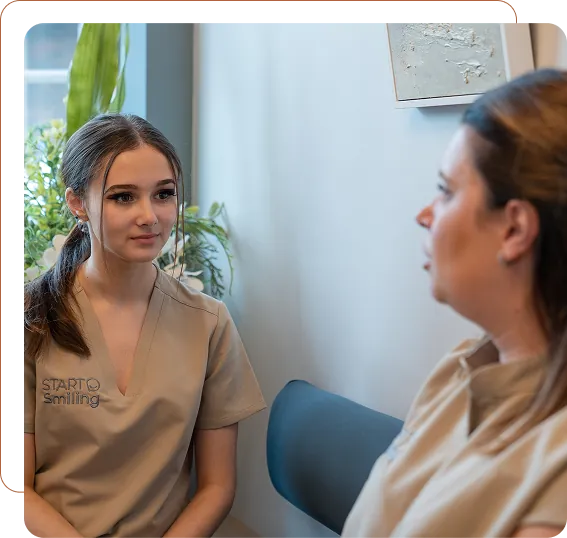
Full arch dental implant treatment can be planned to address a range of functional and aesthetic needs.
Multiple dental implants may support replacement teeth for a complete upper or lower arch where clinically appropriate, following detailed assessment and planning.
Implant-supported or retained restorations can significantly improve chewing efficiency and stability compared to traditional removable dentures.
Full arch plans can include removing or restoring teeth that have a poor prognosis after careful clinical assessment.
Implant-retained options can reduce day-to-day denture movement and increase comfort where clinically appropriate.
Restored teeth and well-planned prosthetics can help support facial contours that change when many teeth are missing, depending on anatomy.
Stable implant-supported or retained restorations can help with speech affected by missing teeth or unstable dentures where suitable.
Digital planning and careful restorative design aim to deliver natural-looking teeth that meet functional needs.
Implant care includes ongoing reviews and hygiene support to monitor and maintain implant health over time.
We explain clinical choices, preparatory steps and likely stages so you can make an informed decision before clinical work begins.
Assessments and treatment are delivered in a calm, modern practice designed for patient comfort.
We consider the final restoration from the start so implant position and prosthetic needs are planned together.
Our dental team coordinate examinations, imaging and planning to produce a personalised clinical plan.
We provide cleaning advice, review schedules and hygiene support to help manage long-term implant health.
A personalised cost estimate is provided after assessment and we explain consultation and planning fees up front.
A complete assessment of oral health, gum condition, remaining teeth, bite, medical history, medicines and lifestyle factors is carried out to assess suitability.
Records include X-rays, digital scans or 3D imaging where clinically appropriate to plan implant positions and the restorative design.
Preparatory work may include stabilising gum disease, retaining restorably sound teeth or removing unsalvageable teeth; grafting is recommended only when necessary.
Implant placement is a surgical procedure usually carried out under local anaesthetic, with sedation discussed if clinically suitable and available.
Healing and implant integration timelines vary and the clinician will review progress; temporary restorations may be used in some plans.
Final restorations are fitted when the clinician confirms fit and integration, followed by a long-term cleaning and review plan.
Suitability varies between patients and requires an individual clinical assessment. We will assess your gum health, bone quantity and quality, remaining teeth, bite and overall health including medical history and medicines to determine whether full arch implant treatment is appropriate.
Remaining natural teeth are evaluated carefully and teeth that can reasonably be maintained should not be removed automatically to create an implant solution. Factors such as smoking, active gum disease, poor oral hygiene or certain medical conditions can affect risk and success, and we will discuss alternatives such as conventional dentures, retaining and restoring suitable teeth, or removable implant-retained options.
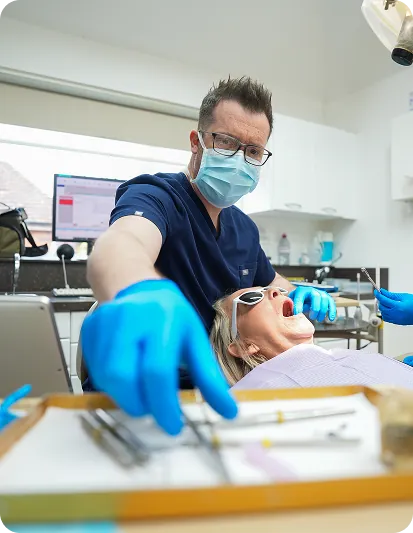
We offer a range of care to support implant planning, treatment and long-term maintenance.
Periodontal care to manage gum disease before or after implant work
Restorative dentistry for crowns and bridges when remaining teeth are maintained or restored
Denture assessment and adjustments for interim solutions
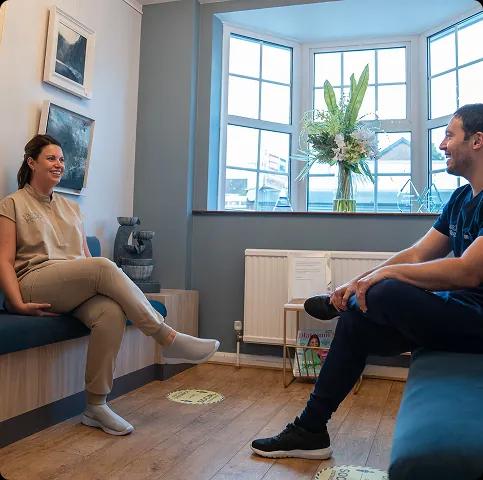
Professional hygiene care to support long-term implant health with regular maintenance professional hygiene care
Digital imaging and scanning for accurate planning
Regular review appointments to monitor implants and restorations
Our practice is in Ingatestone and we welcome enquiries from Harold Court Primary School. You can travel to the practice by car, train, bus or taxi; the team will provide practical pre-appointment information when you book so you have what you need for your visit.
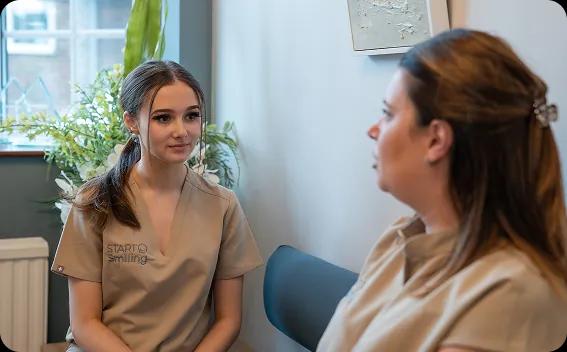
If you would like to discuss full arch dental implants from Harold Court Primary School, call Start Smiling Dental Practice in Ingatestone on 01277 353456. A consultation and appropriate records are needed before any treatment decisions are made, the current fee guide explains consultation and planning fees and a personalised estimate will follow your assessment.
We aim to give you time to understand options and to plan care that aligns with your goals and oral health needs.