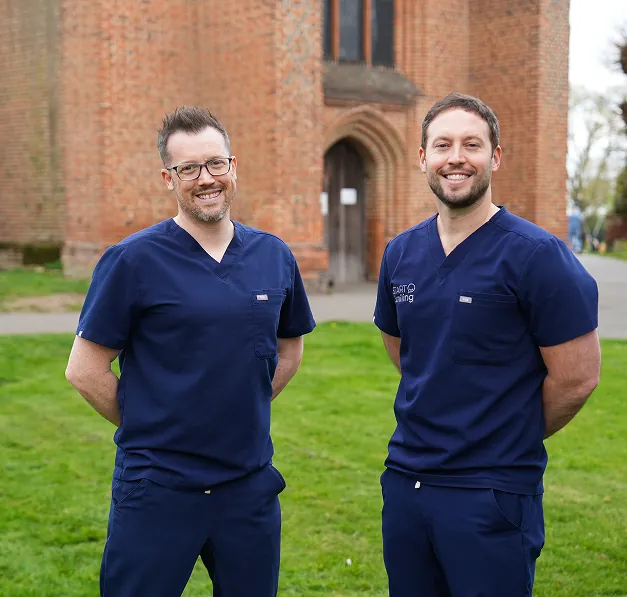
Replace A Full Arch Of Teeth
01
Multiple dental implants may support replacement teeth for a complete upper or lower arch where clinically appropriate, following detailed assessment and planning.
If you live near Hylands Estate and are exploring long-term replacement options for an entire upper or lower arch, Start Smiling Dental Practice in Ingatestone can offer a private, carefully planned approach to full arch dental implants. In this treatment multiple dental implants are placed in the jawbone to support replacement teeth across a full upper or lower arch, acting as artificial tooth-root replacements to support either a fixed implant-supported bridge or a removable implant-retained overdenture depending on your clinical plan. We prioritise preserving any teeth that can reasonably be kept and will explain options during assessment and planning. For an overview of implant options and planning we can discuss during assessment, see our full arch dental implant treatment approach.
Start Smiling is a private dental practice based in Ingatestone and we welcome people from Hylands Estate and the wider Chelmsford area. Treatment is provided in calm, modern treatment rooms where clear communication and patient comfort are central.
Your dental team will review your medical history, dental records and expectations before recommending a pathway so you understand benefits, limitations and likely next steps. We will not recommend removing remaining teeth unless removal is clinically indicated and in your best long-term interest.
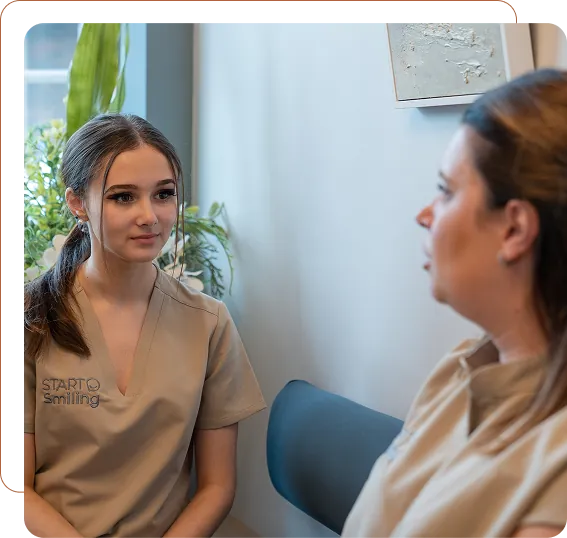
Planned benefits patients may expect from considered full arch implant care.
Multiple dental implants may support replacement teeth for a complete upper or lower arch where clinically appropriate, following detailed assessment and planning.
Improve denture stability and reduce unwanted movement when eating or speaking by retaining or supporting the denture on implants.
Help regain a more dependable biting surface compared with some conventional dentures, supporting daily eating and nutrition.
Provide structural support for soft tissues where extensive tooth loss has altered facial proportions to help improve appearance and facial balance.
Minimise the frequent need for adhesives and repeated denture relines in some cases by improving prosthetic stability.
Offer a predictable restorative route when multiple teeth are failing or unrestorable, with planning to suit your overall oral health.
Treat a whole upper or lower arch within a single restorative plan rather than separate, piecemeal work so care is coordinated and staged.
A staged, documented plan gives you time to consider options, arrange consultations and prepare for surgery and aftercare.
A staged, documented plan gives you time to consider options, arrange consultations and prepare for surgery and aftercare.
We explain clinical choices clearly and involve you in decisions about your full arch treatment so you can weigh benefits and limitations.
Appointments take place in comfortable rooms designed for restorative work and practical care to support predictable outcomes.
Our aim is natural-looking implant restorations that suit your face, function and preferences while prioritising long-term maintenance.
We use radiographs and scans as needed to plan implant position and the final restoration, including 3D imaging where appropriate.
Ongoing hygiene appointments and reviews form part of our approach to maintaining implants and restorations and protecting your oral health.
Because full-arch treatment varies by clinical need, the current fee guide is a useful starting point before a personalised estimate is prepared.
Your clinician will review medical history, examine remaining teeth and gums, and discuss expectations, alternatives and whether full arch treatment is appropriate for you.
X-rays, digital scans and possibly 3D imaging are used where appropriate to plan implant positions and the restorative design and to assess bone and bite.
This may include stabilising gum disease, removing teeth that cannot be retained or considering grafting when necessary to support future implants.
Implants are placed into the jawbone under local anaesthetic; the number and position are determined by anatomy and the restorative plan and are not fixed in advance.
Healing and integration vary between patients; regular reviews check progress and determine timing of the definitive restoration without assuming same-day final teeth.
When healing is clinically appropriate, the final bridge or overdenture is fitted and a maintenance programme including hygiene reviews is agreed.
Suitability varies between patients and requires careful, individual clinical assessment that considers gum health, remaining teeth, bone quantity and quality, bite, medical history, medicines and lifestyle factors such as smoking and ability to maintain hygiene.
Preserving remaining teeth is often preferable when they can be maintained; removal is only recommended when it is clinically indicated and supports a better long-term outcome for your oral health.
Some patients need preparatory treatments such as gum stabilisation, tooth removal or bone grafting; implant placement is a surgical procedure commonly carried out with local anaesthetic and healing times vary, so risks and alternatives are discussed before any decision.
Alternatives to full-arch implants include conventional dentures, implant-retained removable dentures, restoring suitable remaining teeth with crowns and bridges, or choosing no treatment; your clinician will explain options and help you make an informed choice suited to your goals and health.
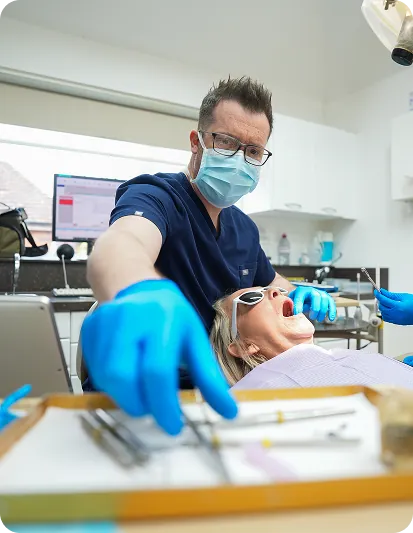
Care that complements full arch treatment and long-term maintenance.
Long-term care may include professional hygiene care alongside regular reviews and careful home cleaning.
Crowns, bridges and denture services complement implant work when appropriate.
Where possible we stabilise and restore teeth rather than extract them to support overall oral health.
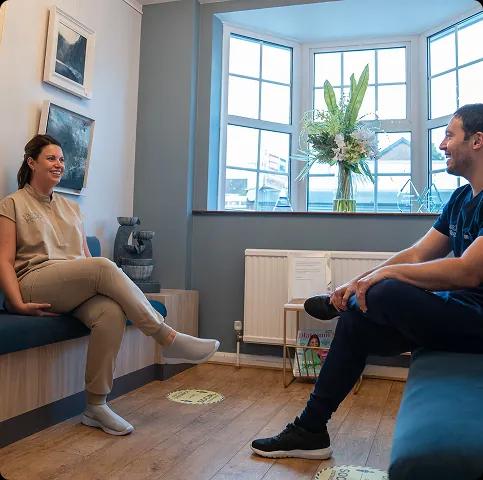
Individualised guidance helps you clean around and beneath your restoration correctly.
We consider your general health and medications when planning treatment and liaise with other clinicians when needed.
Regular implant checks monitor integration, prosthetic condition and hygiene.
Regular implant checks monitor integration, prosthetic condition and hygiene.
If you are travelling from Hylands Estate to our practice in Ingatestone you can reach us by car, bus, train or on foot. When you book an assessment the team can advise on practical arrangements and what to expect on the day of assessment and any planned surgery.
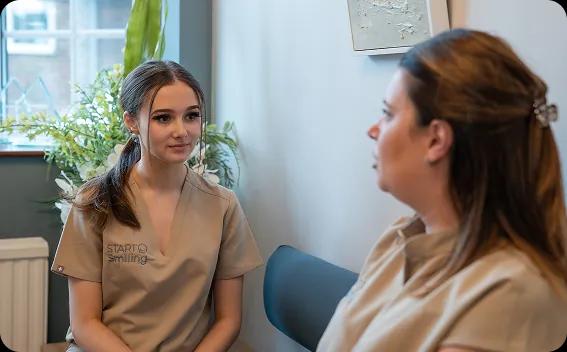
If you would like to discuss full arch dental implants near Hylands Estate, call Start Smiling Dental Practice on 01277 353456 to arrange an assessment at our Ingatestone practice. We will explain the assessment process, likely investigations and how a personalised estimate is prepared from the clinical findings.