Replace A Full Arch Of Teeth
01
Multiple dental implants may support replacement teeth for a complete upper or lower arch where clinically appropriate, following detailed assessment and planning.
At Start Smiling Dental Practice in Ingatestone we plan each case around your oral health, bite and personal goals, and we welcome enquiries from Little Baddow residents about full arch dental implants.
We are a private dental practice offering calm, patient-centred care for people travelling from Little Baddow and the surrounding area. Treatment aims to give natural-looking replacement teeth that are easy to maintain, and we will outline options and likely stages so you can make an informed choice. The implants are placed in the jawbone to provide support for the planned full-arch restoration, where clinically appropriate.
Every plan is personalised to your mouth, health and expectations and clinical assessment with appropriate investigations is always required for suitability.
Full arch treatment can address function, stability and restorative predictability when planned around your health and anatomy.
Multiple dental implants may support replacement teeth for a complete upper or lower arch where clinically appropriate, following detailed assessment and planning.
Properly planned implants and prosthetics can widen the range of foods you can manage safely and comfortably, improving bite and function.
Start Smiling Dental Practice is based in Ingatestone and welcomes patients from Little Baddow.
Implant treatment may help reduce progressive bone loss in some cases depending on timing and individual anatomy, but outcomes vary and are not guaranteed.
Full arch treatment can be considered when many remaining teeth are unlikely to be predictably restored while teeth that can be treated and maintained are usually retained.
Digital records and restorative design help plan tooth position, function and appearance before implants are placed to improve predictability of the restorative outcome.
Plans account for gum health, medicines, medical history and smoking to manage risks and optimise outcomes for each patient.
Ongoing professional reviews, cleaning protocols and maintenance of the restoration are part of full arch care to protect implant health over time.
Suitability always requires clinical assessment and appropriate investigations such as X-rays or scans.
A calm, patient-first approach supports informed choice and realistic expectations throughout assessment and treatment.
Care is delivered by our dental team who coordinate assessment, restorative planning and ongoing reviews.
Modern diagnostics are used when clinically appropriate to guide implant and prosthetic position and inform planning.
Treatment is personalised based on jaw anatomy, oral health and lifestyle to reflect individual needs and goals.
We discuss risks, alternatives and likely stages before you consent so you can make an informed decision.
Long-term professional care is available for reviews, maintenance and adjustments to the restoration as required.
We review your general health, medicines, gum health, remaining teeth, bite and expectations to consider whether full arch treatment may be appropriate; suitability varies between patients and requires individual clinical assessment.
Diagnostic records such as X-rays, digital impressions or 3D imaging help create a restorative plan and an implant placement strategy that suits your jaw anatomy and informs full arch dental implant treatment.
Stabilising gum disease, removing unrestorable teeth or grafting bone may be recommended when clinically appropriate; not all patients require grafting.
Implants are placed surgically, commonly under local anaesthetic; sedation options can be discussed where appropriate and available.
Healing and integration timings vary between patients; implants are monitored with regular reviews and radiographs as needed and final timing depends on individual healing.
The definitive bridge or overdenture is fitted when clinically appropriate, and long-term success depends on cleaning around the restoration, professional maintenance and regular review.
Suitability varies between patients and requires careful clinical assessment of oral and general health rather than a one-size-fits-all recommendation.
We assess the condition and prognosis of any remaining teeth and usually retain teeth that can be predictably treated rather than removing them automatically.
Factors such as active gum disease, smoking, certain medical conditions, bone quantity and your ability to maintain oral hygiene will influence whether full arch implant treatment is appropriate, and we will discuss suitable alternatives where relevant.
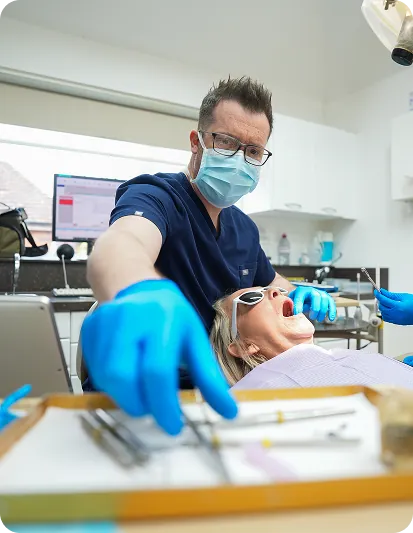
Additional treatments and professional care support staged full arch treatment and long-term maintenance.
Routine dental check-ups to monitor oral health and detect changes early.
Gum disease treatment to stabilise tissues before implant work begins.
Extractions and conservative tooth-preserving restorations where appropriate.
Crowns, bridges and provisional prosthetics to support staged treatment.
Digital X-rays and scans as required for planning and diagnosis.
Long-term professional hygiene care to support implant and natural tooth maintenance, including tailored cleaning schedules and reviews with our hygiene team via professional hygiene care.
Start Smiling Dental Practice is based in Ingatestone and welcomes patients from Little Baddow and nearby villages. The practice can be reached by car, local bus or regional rail services and our team will provide practical information about the appointment process when you call.
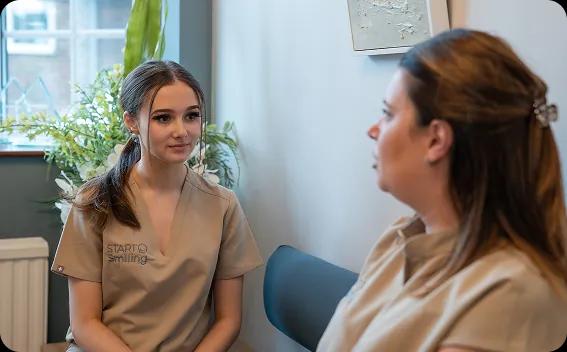
If you would like to explore full arch dental implants from Little Baddow, we offer a detailed consultation and clinical assessment at our Ingatestone practice. A personalised estimate and treatment plan follow any clinical assessment, and fees are explained in the current fee guide.
To enquire, call Start Smiling on 01277 353456 or visit the practice at 5 Market Place, Ingatestone, Essex, CM4 0BY.