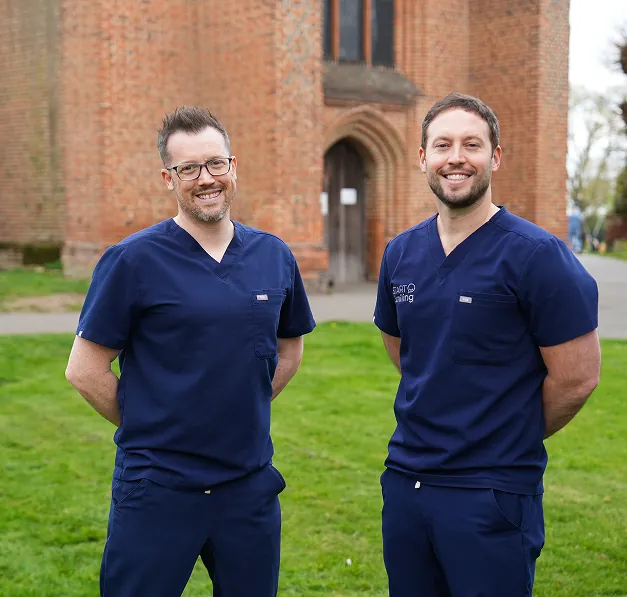
Replace A Full Arch Of Teeth
01
Multiple dental implants may support replacement teeth for a complete upper or lower arch where clinically appropriate, following detailed assessment and planning.
Full arch dental implants replace or restore a complete upper or lower arch by using multiple dental implants placed in the jawbone to support replacement teeth across the whole arch; we explain options and likely stages to patients from St Edward’s Church of England Academy attending our Ingatestone practice. Treatment planning distinguishes a fixed implant-supported bridge from a removable implant-retained overdenture and is based on your oral health, bone, bite and personal goals. For an overview of implant care and what is involved, visit our dental implant treatment information.
Start Smiling Dental Practice is based in Ingatestone and we welcome private patients from St Edward’s Church of England Academy who are exploring full arch implant options. We aim for natural-looking, long-term restorations and clear explanations so you understand risks, benefits and the time involved. Decisions are made around your individual oral health and goals rather than a one-size-fits-all approach.
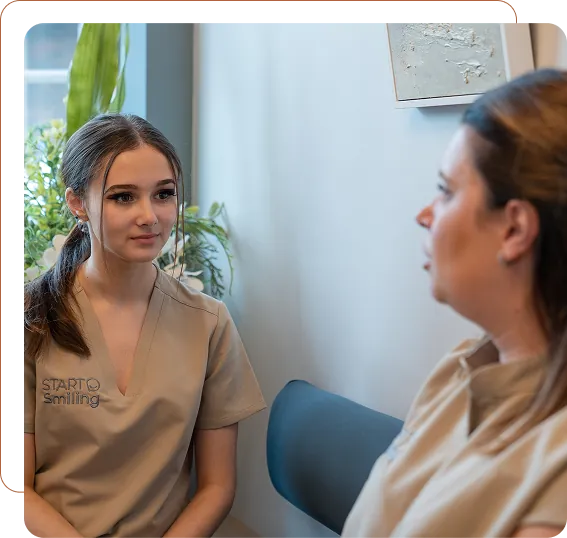
Benefits and aims of full arch restoration explained.
Multiple dental implants may support replacement teeth for a complete upper or lower arch where clinically appropriate, following detailed assessment and planning.
Provide a more stable restoration that can restore a wider range of chewing ability compared with ill-fitting removable options for some patients.
Start Smiling Dental Practice is based in Ingatestone and welcomes patients from St Edward’s Church of England Academy.
Replacement teeth can help maintain facial contours where possible by restoring tooth position and support around the mouth.
Replacing a full arch can help if missing or unstable teeth affect speech, with restoration design considered during planning.
Offer an option when several remaining teeth have a poor long-term prognosis and extractions plus restoration are discussed as needed.
A planned restoration can make daily cleaning and professional reviews more predictable, with long-term hygiene routines agreed.
Implant restorations are designed with future maintenance, repairs and component replacement in mind rather than fixed guarantees.
Calm, patient-focused care with time to answer your questions and explain each stage so you understand the pathway and choices.
Modern restorative approach that coordinates tooth replacement with implant planning to achieve natural-looking results where possible.
Personalised treatment planning based on your oral health, bone, bite and expectations to guide clinical decisions and sequencing.
Clear communication about risks, benefits and alternatives before you decide how to proceed, supporting informed consent and planning.
Professional maintenance support with planned reviews and hygiene care after treatment to monitor restorations and oral health.
Care is coordinated by our dental team who explain each stage and who will be involved in your care; restorations and alternatives such as crowns and bridges are discussed where preserving teeth is feasible.
A clinical review of oral health, gums, remaining teeth, medical history, medications and your goals determines suitability and informs planning.
X-rays, digital scans and 3D imaging may be taken to plan implant position and the restorative design precisely and safely.
Treatment may include stabilising gum disease, restoring retainable teeth or discussing tooth removal and bone augmentation if required.
Multiple implants are surgically placed in the jawbone under local anaesthetic where clinically appropriate; number and position are decided during planning.
Integration of implants with the bone is monitored and any provisional restorations are reviewed; one or more implants may fail to integrate and this will be managed clinically.
The final bridge or overdenture is fitted when clinically ready and a programme of professional hygiene and regular reviews is agreed.
Suitability varies between patients and depends on oral health, bone quantity and quality, bite, medical history, medications, smoking status and your ability to maintain hygiene around the restoration.
Full arch implant treatment may be considered when many or all teeth in an arch are missing, when remaining teeth have a poor prognosis, or when conventional dentures are not functioning well, but each tooth is assessed individually and teeth that can reasonably be maintained will not be removed automatically.
Alternatives such as retaining and restoring suitable teeth, conventional dentures, implant-retained removable dentures, or choosing not to proceed are discussed so you can weigh benefits and limitations carefully; treatment planning, risk discussion and informed consent are essential because complications can require further care or revision.
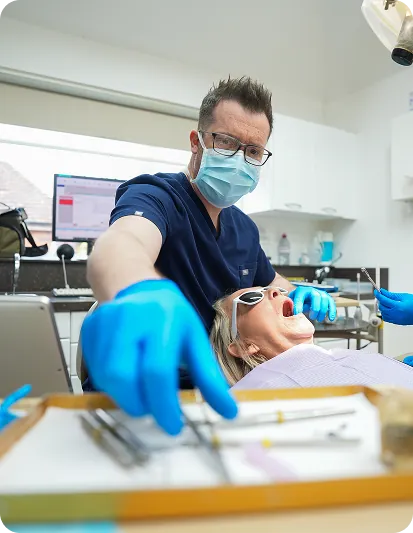
Services that support implant planning, treatment and long-term maintenance.
Professional hygiene care to support gum health before and after implant treatment.
Restorative dentistry including crowns and bridges when preserving teeth is feasible.
X-ray, digital scanning and 3D imaging as required for detailed planning.
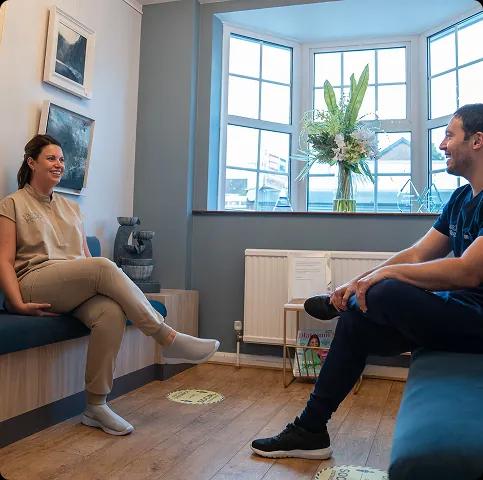
Medical history review and liaison with your GP when medical factors affect treatment.
Tailored maintenance schedule with regular clinical reviews and hygiene appointments.
Advice and support for daily oral hygiene techniques specific to full arch restorations, including cleaning beneath bridges or around attachments; long-term care may include professional hygiene care.
If you are travelling from St Edward’s Church of England Academy to our Ingatestone practice, common local travel modes include car, rail or bus. We will discuss appointment times and practical details when you contact the practice to arrange an assessment.
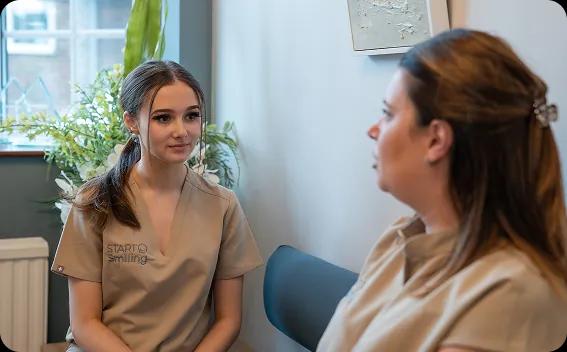
If you would like a private consultation to discuss full arch dental implants and options suited to your circumstances, call Start Smiling Dental Practice on 01277 353456 to arrange an appointment or to ask about the current fee guide.
A personalised estimate follows a clinical assessment and any necessary imaging, and the clinician will explain risks, benefits, alternatives and the likely sequence of care so you can decide with confidence. Patients from St Edward’s Church of England Academy are welcome to contact us about full arch dental implants.