Replace A Full Arch Of Teeth
01
Multiple dental implants may support replacement teeth for a complete upper or lower arch where clinically appropriate, following detailed assessment and planning.
For Wickford residents, full arch dental implants replace a complete upper or lower arch of teeth using multiple dental implants placed in the jawbone to support replacement teeth across the entire arch. The implants act as artificial tooth roots and can support either a fixed implant-supported bridge or a removable implant-retained overdenture depending on your clinical plan and preference. At Start Smiling Dental Practice in Ingatestone we assess your oral health, bone, bite and medical history carefully before recommending options, and we welcome enquiries from people in Wickford who would like a private, patient-centred assessment.
Start Smiling Dental Practice is a private dental practice based in Ingatestone and we welcome patients travelling from Wickford for restorative advice and full arch implant care[cite: 17].
We offer clear information up front so you can make an informed choice about whether to proceed, and we outline likely investigations and fee stages before any irreversible treatment is started.
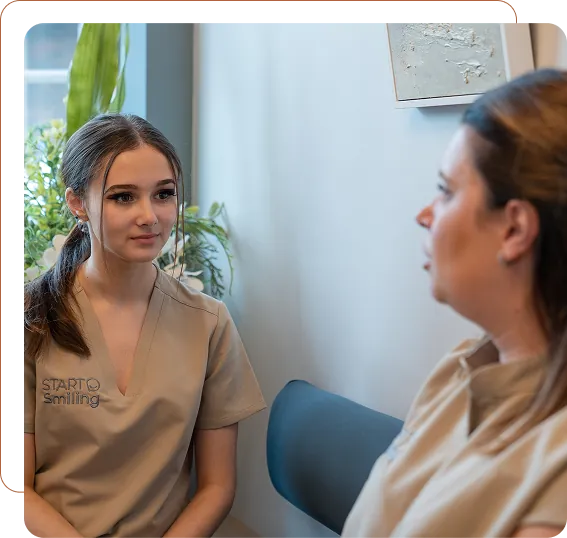
Full arch restorations can address a range of functional and cosmetic concerns when clinically appropriate.
Multiple dental implants may support replacement teeth for a complete upper or lower arch where clinically appropriate, following detailed assessment and planning.
Start Smiling Dental Practice is based in Ingatestone and welcomes patients from Wickford.
An implant-retained overdenture can reduce movement of a conventional denture and increase comfort for some wearers, depending on the attachment and prosthetic design chosen.
A securely retained implant restoration can reduce or remove the need for denture adhesives for certain patients, depending on the clinical plan and your preference.
A fixed implant-supported bridge can replace a full arch when clinically suitable, and such a bridge is removable only by a clinician for maintenance if required.
When several teeth in an arch have a poor prognosis, replacing them with an implant-supported restoration may be an appropriate option after careful assessment and discussion of alternatives.
Full arch restorations can help support lip and facial contours and improve bite function in some cases, though individual outcomes depend on bone and soft tissue condition.
Full arch treatment is planned with long-term maintenance in mind, including reviews and hygiene care to support ongoing oral health and prosthesis condition.
These potential benefits depend on individual assessment, planning and ongoing maintenance.
We take time to explain options clearly and to answer questions so you can weigh benefits, risks and alternatives before deciding.
Our practice provides a relaxed, contemporary setting for surgical and restorative care with privacy and attention to detail.
Plans are tailored to your anatomy, bite and long-term oral health goals rather than offering a one-size-fits-all protocol.
Your assessment and treatment planning are coordinated by our dental team, and each stage is explained before you decide how to proceed.
We discuss limitations, likely outcomes and potential complications so you can give informed consent to any treatment proposed.
Long-term reviews and professional hygiene are built into treatment pathways so restorations can be monitored and maintained responsibly.
A clinician reviews your oral health, gum condition, remaining teeth, medical history and your expectations to determine whether full arch treatment may be appropriate[cite: 17].
Where clinically indicated we use X-rays, digital scans and possibly 3D imaging to plan implant positions and the restorative design, and to explain options for the planned prosthesis, including dental implant treatment in practical terms.
Active gum disease is stabilised and teeth that cannot be retained are assessed for removal; some patients need bone grafting or other preparatory work, but many do not.
Implants are placed in the jawbone under local anaesthetic in a surgical appointment; the exact number and position depend on your anatomy and the restorative plan.
Healing and integration with the jawbone are monitored over months where necessary; timelines vary between patients and between upper and lower arches.
When healing is sufficient, the final bridge or overdenture is fitted and a maintenance plan is agreed, including professional reviews and home-care guidance[cite: 17].
Suitability varies between patients and requires an individual clinical assessment. We assess any remaining teeth to see whether they can be preserved; removing healthy or maintainable teeth solely to enable implants is not recommended without clear justification.
Factors such as gum health, oral hygiene, smoking, medical history, medicines and bone quantity all influence whether full arch implants are a sensible option for you.
Full arch replacement may be appropriate when most or all teeth in an arch are missing, when remaining teeth have a poor prognosis, or when someone is struggling with a conventional denture[cite: 17]. Alternatives include preserving and restoring viable teeth, conventional dentures, implant-retained removable dentures or choosing not to proceed. Your clinician will outline risks, benefits and likely outcomes so you can make a considered decision.
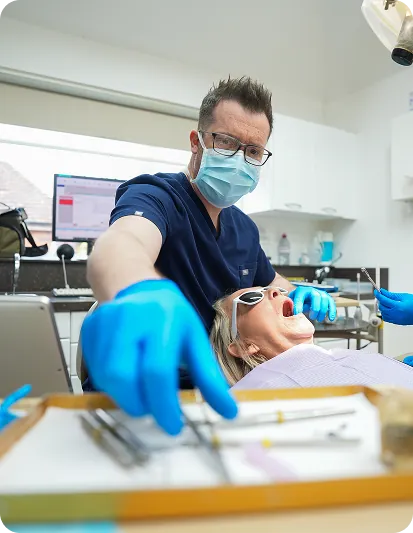
Complementary treatments and care that support full arch planning and maintenance.
Restorative Dentistry: Crowns, bridges and onlays support overall planning and may be chosen to preserve suitable remaining teeth with reference to crowns and bridges options.
Periodontal Care: Gum disease stabilisation and monitoring are provided before and after implant treatment where required.
Digital Imaging And Scans: Imaging aids accurate planning of implant position and the final restoration.
Provisional Restorations: Temporary prostheses may be used to test function and appearance during treatment phases.
Professional Hygiene Care: Long-term care may include professional hygiene alongside regular reviews and careful home cleaning.
Long-Term Reviews: Scheduled check-ups monitor implants, soft tissues and prosthetic components to plan any necessary maintenance.
These supporting services are coordinated with your implant treatment plan as required.
You can reach our Ingatestone practice by car, train or bus from Wickford. At your first visit we will explain what to expect, which records may be required and how appointments are scheduled to suit your needs, including any preparatory care that might be necessary.
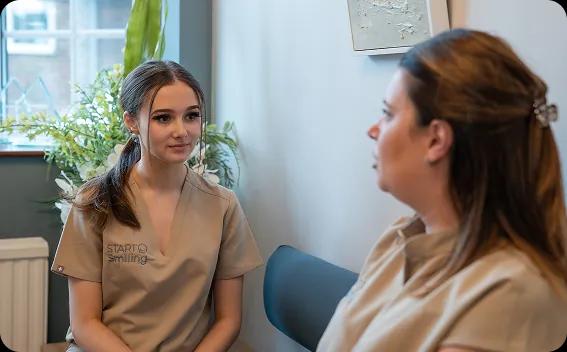
If you live in Wickford and would like a private assessment for full arch dental implants, call Start Smiling Dental Practice in Ingatestone on 01277 353456 to arrange a consultation. During that appointment we will review your oral health, discuss options and explain likely next steps, investigations and fee stages including a personalised estimate following assessment.