Improve Tooth Colour
01
Cover intrinsic staining to achieve a more even shade across the visible front teeth.
If you are looking for porcelain veneers near Chelmsford Museum, our approach focuses on a careful assessment of your teeth, gums and bite before any cosmetic treatment. Porcelain veneers are made in a dental laboratory using the treatment plan, shade and design agreed with you.
We also offer composite veneers as a more conservative alternative and will explain the differences so you can choose the option that best suits your goals and oral health.
Start Smiling Dental Practice is based in Ingatestone and welcomes patients from Chelmsford Museum. We are a private dental practice offering calm, modern care with a conservative aesthetic focus.
If you would like an initial consultation and smile assessment, we will review your aims and discuss whether porcelain veneers are clinically appropriate.

Porcelain veneers can help address a range of cosmetic concerns for front teeth.
Cover intrinsic staining to achieve a more even shade across the visible front teeth.
Refine the visible shape and balance of front teeth with a carefully planned result.
Disguise minor chips or wear by creating tidier, smoother tooth edges for a neater appearance.
Small gaps may be disguised where veneers are clinically appropriate. Orthodontic options may also be discussed when alignment treatment is more suitable.
Balance differences in tooth size or position to create a more even and harmonious smile.
Provide natural-looking translucency and a close shade match when planned with care.
Porcelain resists everyday surface staining better than some restorative materials when supported by appropriate maintenance.
Deliver a long-lasting cosmetic improvement that may still need maintenance, repair or eventual replacement over time.
Comprehensive care from a patient-focused team in Ingatestone.
Decisions based on your oral health and smile goals, with clear explanations at each step.
An emphasis on preserving natural tooth tissue where possible and explaining less invasive options.
We explain differences between porcelain and composite veneers, likely outcomes and aftercare so you can make informed choices.
Design work considers proportions and the overall look of your smile, not just individual teeth.
Porcelain veneers are crafted in a dental laboratory to the agreed plan and shade for predictable results.
Discuss your concerns, medical history and smile goals with the dental team during an initial consultation and smile assessment.
A clinical examination of teeth, gums and bite will confirm suitability and identify any treatment that should be completed first.
Planning includes photographs, shade selection and design discussion; we may take digital scans, photographs and X-rays where appropriate to support careful treatment planning.
Any necessary tooth-surface adjustment is completed according to the chosen veneer type; some natural tooth preparation may be required depending on your case.
Porcelain veneers are placed once laboratory work is returned; temporary restorations may be used while the final veneers are made.
Follow-up checks assess fit, function and appearance and we will advise on maintenance to support veneer condition and oral health.
Porcelain veneers can improve the appearance of front teeth affected by staining, minor chips, uneven shape or small gaps, but they are not suitable for everyone; an in-person assessment will check for active decay, gum disease or bite issues that should be managed before cosmetic work begins.
Some natural tooth-surface preparation may be needed depending on the chosen veneer type. Veneers are not permanent and may require maintenance, repair or replacement over time; ongoing oral care and regular reviews help preserve results.
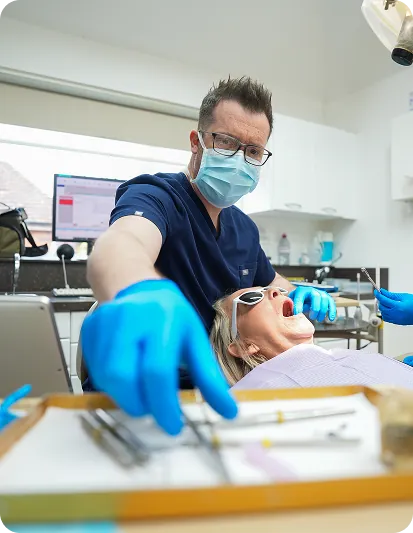
We offer treatments to stabilise teeth and support successful cosmetic outcomes.
Composite bonding as a more conservative alternative in suitable cases.
Restorative treatment to stabilise teeth before cosmetic work.
Periodontal review and treatment where gum health requires attention.
Bite assessment to ensure veneers will function comfortably with your bite.
Night guards where tooth grinding might threaten veneer longevity.
Regular maintenance visits and polishing to help preserve appearance.
If you are travelling from Chelmsford Museum to see us in Ingatestone you can reach the practice by car, train or bus. Bring any relevant dental records or photographs if you have them, and tell us about any travel constraints when arranging appointments so we can suggest suitable times.
If you are interested in porcelain veneers near Chelmsford Museum, the next step is a consultation and smile assessment at our Ingatestone practice where we will discuss your aims, examine your oral health and explain the possible options, including the differences between porcelain and composite veneers. For information about likely fees see our fee guide, and to arrange an appointment use our contact page. You can also learn more about our approach to porcelain veneers or read about the patient-focused dental team who will advise you.