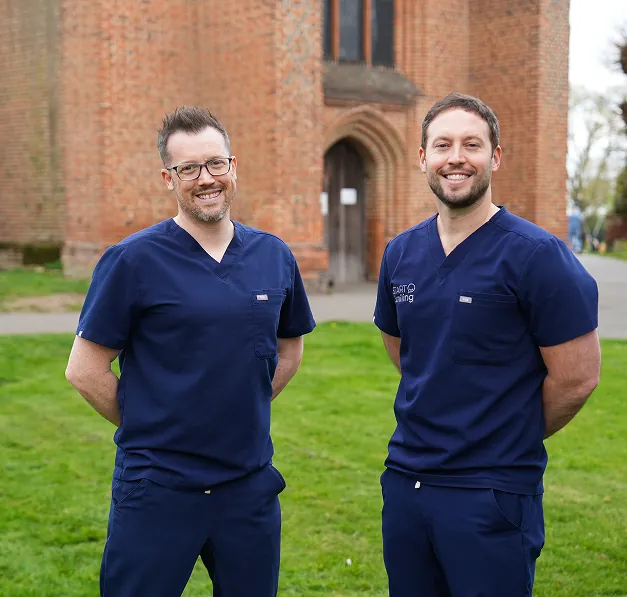
Assessment And Diagnosis
01
Your Root Canal Treatment plan is based on your symptoms, clinical assessment and the condition of the tooth, with treatment explained before care begins.
If you live in Great Baddow and are worried about a painful or sensitive tooth, this page explains how Root Canal Treatment may be assessed and delivered by Start Smiling in Ingatestone, what signs to watch for, how diagnosis is made and what to expect from treatment and restoration; please note Baddow Dental practice is based in Ingatestone and this information is intended to help you decide whether to seek assessment at Start Smiling’s Ingatestone practice.
Start Smiling offers private assessment and Root Canal Treatment from our Ingatestone practice for adults in the Chelmsford area, including Great Baddow, with options and timings discussed after clinical assessment.
Local anaesthetic is used to help keep you comfortable during procedures and your dentist will explain likely restoration choices such as a filling or crown where appropriate and discuss costs after assessment so you can make an informed decision.
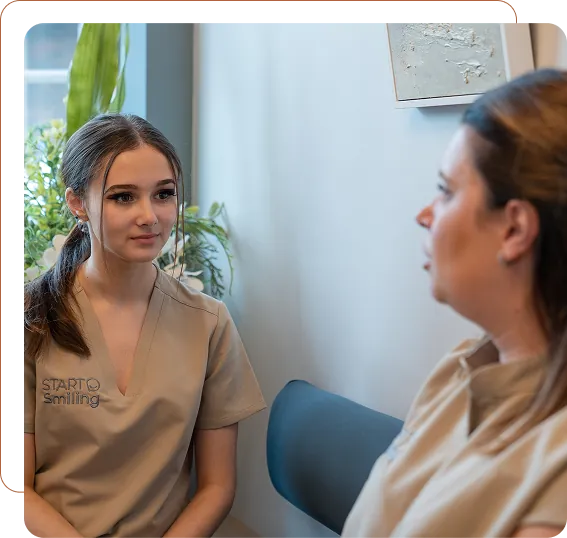
Practical ways we can help if you are concerned about a painful or infected tooth.
Your Root Canal Treatment plan is based on your symptoms, clinical assessment and the condition of the tooth, with treatment explained before care begins.
Clear guidance on symptoms such as persistent pain, new sensitivity or swelling that should prompt clinical assessment.
We can arrange prompt assessment for worrying or worsening tooth pain so your care needs are reviewed quickly.
Calm explanations and individual measures are offered to help nervous patients feel more comfortable during assessment and treatment.
Your dentist will discuss whether a filling or a crown is appropriate after treatment depending on the tooth and remaining structure.
We provide a clear plan that explains likely appointment needs, complexity and next steps for your care.
Planned reviews are scheduled to check healing and discuss any further care needed for the treated tooth.
Costs depend on the tooth and treatment complexity and are explained after clinical assessment so you can make an informed choice.
We support nervous patients with calm explanations and individual assessment to help you understand each stage of care.
Dr Thomas Sealey, GDC 104101, lists Root Canal Treatment among his clinical focus and holds a Master’s degree in Endodontic Practice.
Private assessment and discussion of options and timings are available at our Ingatestone practice.
Local anaesthetic is used during treatment to help keep you comfortable throughout procedures.
We explain what to expect, likely appointment needs and the options for restoring the tooth after treatment.
We schedule reviews and ongoing checks to help protect the long term health of the treated tooth.
A clinical examination and discussion of symptoms are used to assess the tooth and decide whether Root Canal Treatment is appropriate.
X-rays are taken where clinically indicated to confirm the diagnosis and help plan the approach and likely appointment needs.
Local anaesthetic is used to numb the tooth and your dentist will discuss comfort measures to help you during treatment.
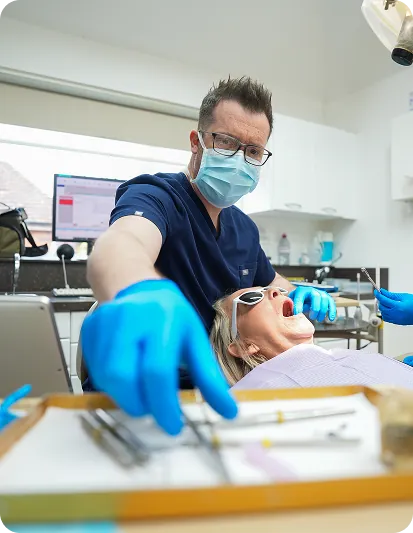
The dentist accesses the tooth, removes infected or inflamed pulp tissue and prepares the canals to reduce the risk of ongoing infection.
After cleaning, the root canals are sealed to reduce the chance of reinfection and ready the tooth for restoration.
Depending on the tooth and remaining structure a filling or crown may be recommended and follow up is arranged to monitor healing.
Root Canal Treatment may be recommended when the dental pulp inside a tooth is infected or inflamed and possible signs include persistent pain, sensitivity to hot or cold, swelling, deep decay, a crack or a tooth that has been traumatised or subject to previous deep dental work.
If you notice these symptoms you should seek a clinical assessment so your dentist can explain the cause, whether X-rays are needed and whether Root Canal Treatment is the recommended option for your tooth.
We understand many patients feel anxious about dental treatment and we take time to explain each stage, discuss comfort measures and answer questions so you know what to expect; suitability, timescale and cost are confirmed after assessment because every patient is different.
Practical aftercare and ongoing checks help protect the treated tooth once Root Canal Treatment is completed.
Review appointments are scheduled to monitor healing and the condition of the treated tooth.
Maintaining good brushing and flossing supports the long term health of a restored tooth.
Where appropriate your dentist will discuss restorative options such as a filling or crown to protect remaining tooth structure.
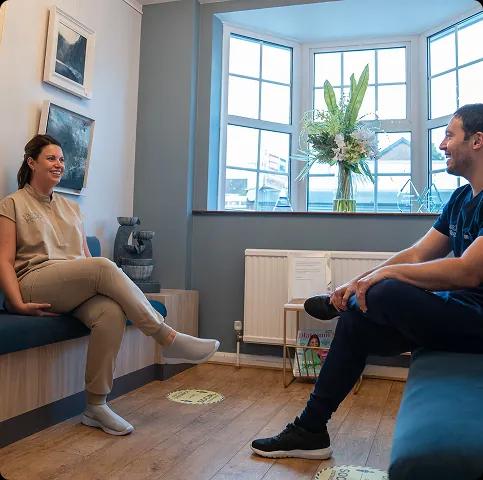
Contact us if you notice increased pain, swelling or any new symptoms around the treated tooth.
Your dentist will explain what to expect after treatment and provide personalised aftercare advice following your procedure.
Regular dental examinations help spot any issues early and support long term outcomes for treated teeth.
Start Smiling is based in Ingatestone and provides assessment and private Root Canal Treatment at our Ingatestone practice for adults living in the Chelmsford area, including Great Baddow; address 5 Market Place, Ingatestone, Essex, CM4 0BY.
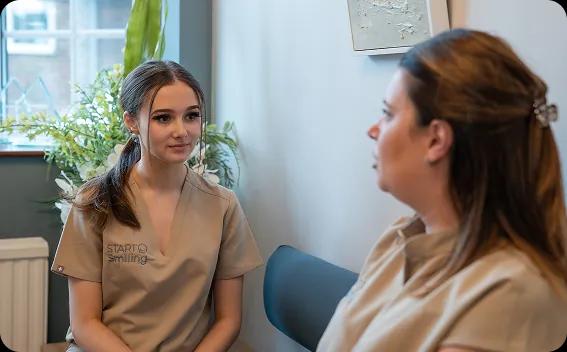
If you live in Great Baddow and think you may need Root Canal Treatment, call Start Smiling on 01277 353456 to arrange an assessment at our Ingatestone practice.
Our team will book a suitable appointment, explain the assessment process and discuss likely next steps and costs after clinical examination so you can make an informed choice.