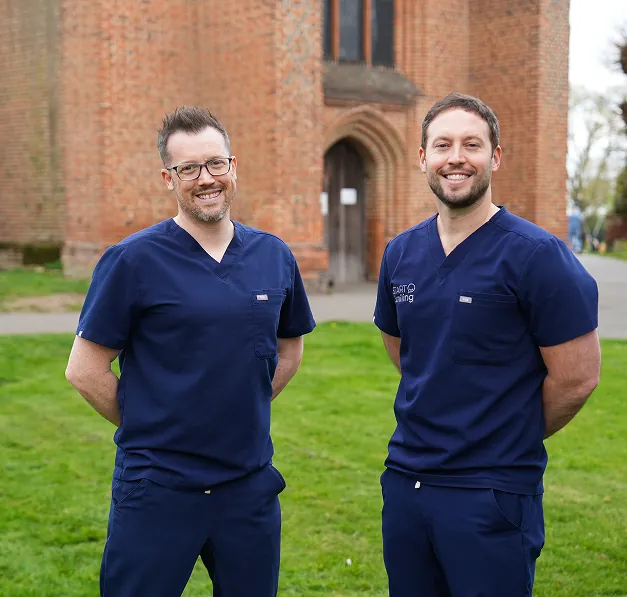
Assessment And Diagnosis
01
Your Root Canal Treatment plan is based on your symptoms, clinical assessment and the condition of the tooth, with treatment explained before care begins.
If you live in Hutton and are worried about a sore, sensitive or painful tooth, this page explains when Root Canal Treatment may be considered and how Start Smiling Dental Practice in Ingatestone assesses and treats affected teeth; Hutton addresses fall within the Brentwood CM13 area and our Ingatestone practice provides private consultations and treatment for people from across Brentwood and nearby localities.
Start Smiling is a private dental practice based in Ingatestone offering assessment and Root Canal Treatment for adults; treatment is delivered using local anaesthetic and follows a clinical process to remove infected or inflamed pulp tissue, clean and shape the root canals and seal them to reduce the risk of reinfection.
After treatment we will discuss whether a filling or a crown is appropriate depending on how much tooth structure remains and the long term restoration needs of the tooth.
Costs depend on which tooth is treated and how complex the case is; fees are explained after a clinical assessment so you understand the likely treatment pathway and options.
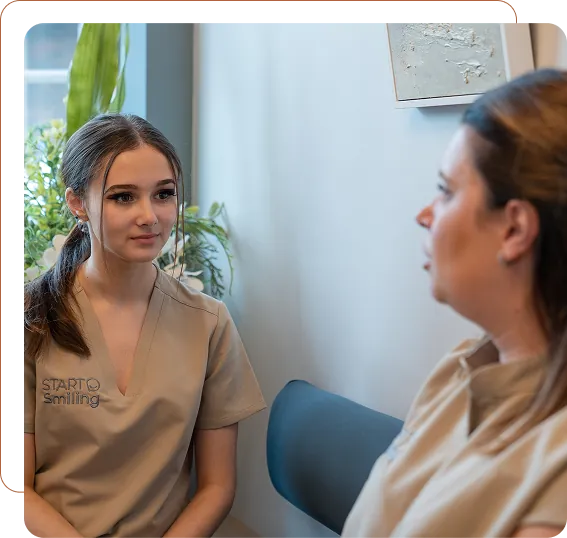
Common signs, assessment steps and what we look for when considering Root Canal Treatment.
Your Root Canal Treatment plan is based on your symptoms, clinical assessment and the condition of the tooth, with treatment explained before care begins.
Persistent aching or throbbing, prolonged sensitivity to heat or cold, local swelling and tenderness or pain following trauma are common reasons to seek assessment.
X-rays help the dentist understand the root shape and the extent of any infection and are used when clinically needed to plan treatment.
Root Canal Treatment is performed under local anaesthetic so the tooth is numb and staff will explain ways to help you feel comfortable during treatment.
Some teeth are straightforward to treat while others have more complex root anatomy or previous dental work that can extend the number of appointments required.
After canals are sealed your dentist will advise whether a filling or crown is recommended to protect the restored tooth.
Attend the arranged review so the dentist can check healing and the seal and provide any further advice on protecting the tooth.
If you notice rapidly increasing pain, spreading swelling or signs of systemic illness seek prompt advice from your dental team or local urgent dental services.
Start Smiling is a privately registered dental practice based in Ingatestone providing assessment and treatment for patients from nearby areas.
Dr Thomas Sealey (GDC 104101) lists Root Canal Treatment among his clinical focus and holds a Master of Science in Endodontic Practice.
Local anaesthetic is used and the team aims to explain each stage clearly to help patients feel at ease.
We use a clinical examination and X-rays where indicated to reach an informed diagnosis and treatment plan.
Restoration options such as a filling or crown are discussed after treatment to help protect the tooth long term.
Costs depend on the tooth and complexity and are explained after a clinical assessment so you know what to expect.
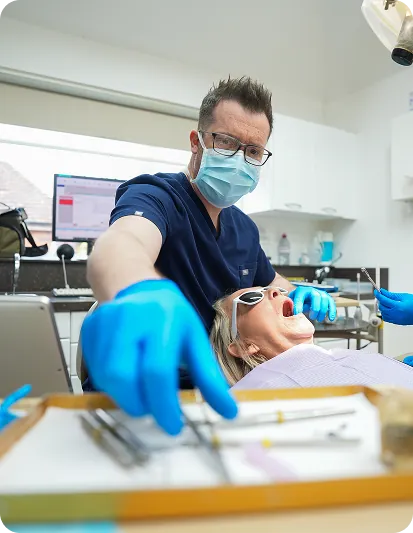
Your dentist will review your symptoms, examine the tooth and use X-rays where clinically indicated to determine whether Root Canal Treatment is suitable.
X-rays help map the root canals and inform how the treatment will be approached and how many appointments might be needed.
Local anaesthetic is used so the tooth is numb while the procedure is carried out and staff will advise on comfort measures.
The dentist accesses the tooth, removes infected or inflamed pulp tissue and carefully cleans and shapes the root canals to remove infected material.
The cleaned canals are sealed to help reduce the risk of reinfection and prepare the tooth for its final restoration.
A filling or crown may be recommended depending on remaining tooth structure and the tooth will be reviewed at follow up appointments.
Root Canal Treatment aims to preserve a natural tooth where clinically suitable; not every tooth can be treated in this way and the final decision follows a careful clinical assessment.
Some cases are straightforward and can be completed in one or two visits while others require more time due to complexity or the tooth involved; your dentist will explain the likely timescale without promising a fixed number of appointments.
Your medical and dental history, the tooth affected and how much healthy tooth remains all influence the recommended treatment and restoration options, and your dentist will discuss what to expect and provide appropriate aftercare advice.
Practical steps to protect your tooth and support recovery after Root Canal Treatment.
Attend your review appointment so the dentist can check healing and the seal.
Maintain good oral hygiene to reduce the risk of further decay or gum problems.
Report any increasing pain, swelling or new symptoms to your dental team promptly.
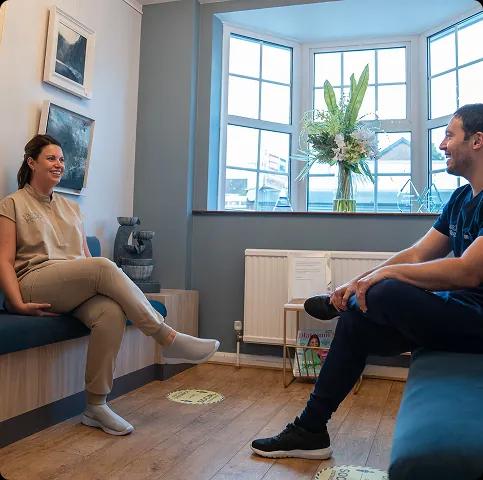
Consider a crown or other restoration where appropriate to protect the remaining tooth structure.
Keep up with routine dental checks so any changes are identified early.
Follow the individual aftercare advice your dentist gives about eating, cleaning and follow up.
Start Smiling Dental Practice is based at 5 Market Place, Ingatestone and provides Root Canal Treatment assessments and treatment for people living in Hutton and the wider Brentwood area; appointments are arranged by phone or at reception.
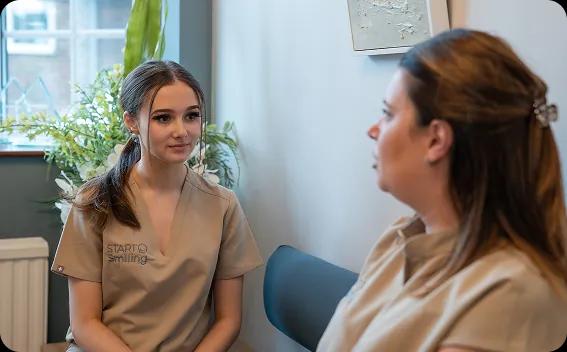
If you live in Hutton and think you may need Root Canal Treatment, contact Start Smiling in Ingatestone to arrange an assessment and discussion of likely treatment and costs.
Call 01277 353456 to speak to the practice team, who can answer initial enquiries and arrange a consultation.