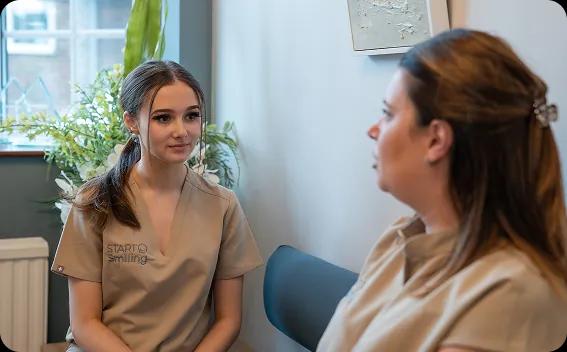
Consultation And Assessment
01
A consultation gives you time to discuss dental anxiety, medical history, sedation suitability, benefits, risks and other options before deciding on care.
Stressful memories, sudden panic or a strong gag reflex often stop people from getting the dental care they need; knowing how a clinician assesses whether sedation could help is an important first step. Start Smiling Dental Practice sees patients from Basildon at its Ingatestone clinic and discusses conscious sedation and relaxation options during an individual assessment. Conscious sedation uses medication to reduce anxiety while you remain able to respond, and the assessment reviews your medical history, current medicines, dental needs, risks and alternatives so the team can recommend a personalised plan, monitoring and recovery arrangements if sedation is appropriate.
Start Smiling provides private sedation dentistry for adults who prefer a more relaxed environment for dental care at the Ingatestone practice; the team explains whether sedation or other relaxation measures may be suitable for you. The practice discusses conscious sedation and relaxation dentistry during a consultation and will outline what might help you feel more comfortable and confident about treatment.
Fees for private sedation depend on the chosen method, appointment length and the dental treatment required; the clinician or receptionist will give a clear estimate before you decide to proceed so you know what to expect.
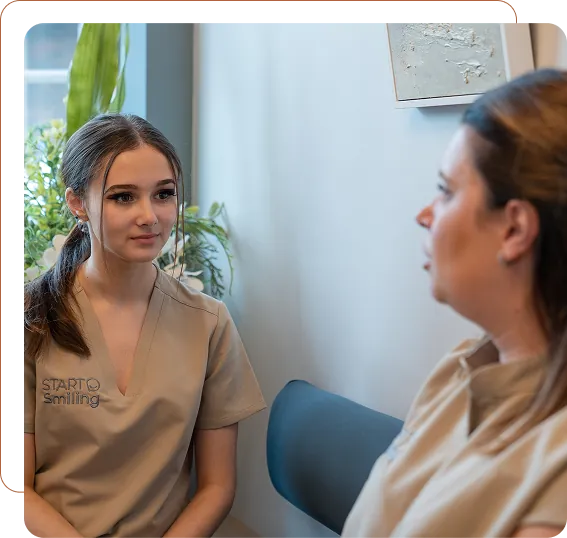
How We Support Patients With Dental Anxiety and Complex Treatment
A consultation gives you time to discuss dental anxiety, medical history, sedation suitability, benefits, risks and other options before deciding on care.
Conscious sedation can make treatment feel more manageable for some people and the clinician will explain realistic effects, risks and alternatives during assessment.
When treatment would otherwise be difficult to complete in a single visit, the team explains how sedation or different appointment planning could help, and how they judge what is patient-focused for you.
If a sensitive gag reflex or past panic prevents necessary treatment, the clinician assesses whether sedation could help and discusses other strategies that may reduce discomfort.
Local anaesthetic may still be used when clinically indicated and the clinician will explain how pain control and sedation may be combined if appropriate.
Where sedation is used, the practice follows safe monitoring and recovery checks and the clinician explains what monitoring and aftercare to expect after your suitability assessment.
Options such as longer consultations, appointment pacing or relaxation techniques may be effective and are discussed when sedation is not the preferred choice.
Aftercare instructions, recovery assessment and any practical arrangements are explained for your individual plan so you leave with clear next steps.
The team listens to your concerns and explains options clearly so you can make an informed choice about sedation or alternatives.
Clinicians assess medical history, medicines and treatment needs to make recommendations tailored to you rather than using a one-size-fits-all approach.
The practice provides an estimate that reflects the sedation method, appointment length and dental treatment before you agree to proceed.
Where sedation is indicated, clinicians explain the monitoring and recovery checks that will apply to your appointment.
The team discusses practical arrangements such as whether you may need an escort and what to expect on the day, after individual assessment.
If sedation is not suitable, clinicians outline other ways to help you manage anxiety and complete necessary treatment.
You describe your concerns, previous dental experiences and what you hope to achieve so the clinician understands the practical issues affecting your comfort.
The clinician reviews your medical history, current medicines and any health conditions to assess whether sedation is likely to be safe and appropriate.
The clinician explains possible relaxation or sedation approaches, realistic effects, risks and alternatives and answers your questions so you can weigh the choices.
If sedation is suitable, the team schedules the work, describes monitoring and recovery arrangements and provides a cost estimate tailored to your plan.
During sedation you remain conscious and able to respond; clinically appropriate monitoring is used and the clinician checks how you are throughout the appointment.
Recovery is assessed before you leave and the practice gives procedure-specific aftercare advice and any practical guidance you need.
Whether sedation is right for you depends on individual factors including your general health, current medicines, the planned dental procedures and any previous responses to sedative medicines; the clinician assesses these elements and explains why a particular approach is recommended or why sedation may not be appropriate.
Sedation may be considered when anxiety, prior traumatic experiences or a strong gag reflex prevent necessary care, or when a longer appointment would otherwise be impractical; the team also describes non-sedation options so you have a clear view of the alternatives and next steps.
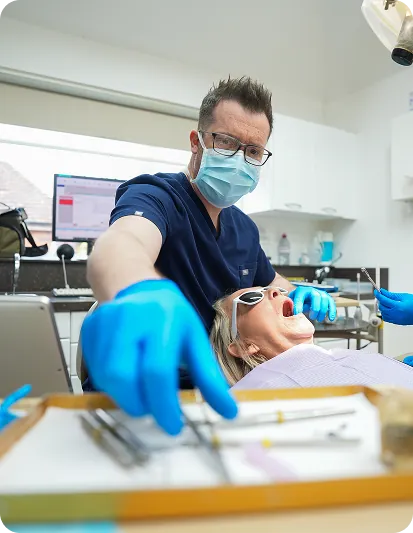
Explore understanding how a clinician assesses sedation suitability with the clinician during an assessment.
Bring an up-to-date list of all medicines and any relevant medical letters to your appointment.
Follow any procedure-specific instructions the practice provides after your suitability assessment.
Arrange practical support such as someone to accompany you if the practice advises an escort.
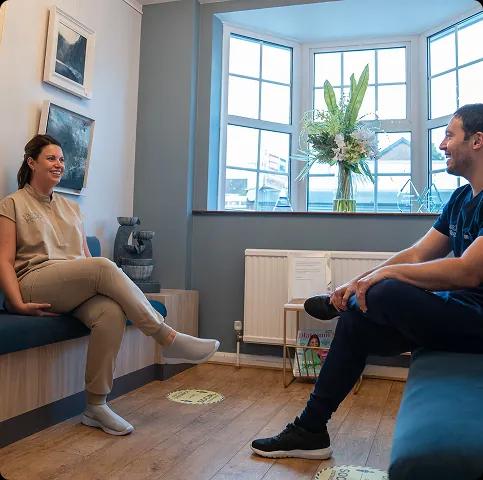
Follow the practice’s recovery and aftercare instructions given on the day of treatment.
Avoid driving or operating machinery only if the practice specifically advises you to do so for your plan.
Contact the practice promptly if you have unexpected symptoms or concerns after treatment.
Many people from Basildon travel to Start Smiling’s Ingatestone practice for consultations and treatment when exploring sedation or relaxation dentistry; the team confirms appointment details and any practical advice once you book so you know what to expect for your visit.