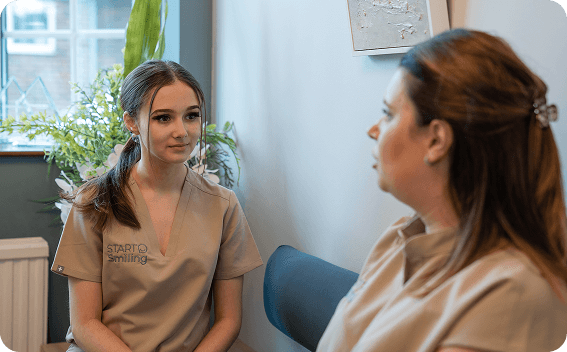
Consultation And Assessment
01
A consultation gives you time to discuss dental anxiety, medical history, sedation suitability, benefits, risks and other options before deciding on care.
Previous bad experiences, a strong gag reflex or worry about longer appointments can make routine dental care feel hard to face; if that sounds familiar and you are searching from Blackmore, there are clear options to help. Start Smiling sees private patients at its Ingatestone practice and offers consultations where clinicians explain relaxation and sedation choices, including how conscious sedation differs from general anaesthesia. The assessment considers your medical history, medicines, dental needs and the risks and alternatives, and explains when local anaesthetic may also be used to control pain during treatment.
Start Smiling accepts private patients who want a considered conversation about making dental treatment more manageable. Consultations and any agreed sedation-supported care take place at the Ingatestone practice, where the team reviews suitability, monitoring and recovery planning for each person.
If sedation is being considered, clinicians provide a tailored estimate that reflects the chosen method, appointment length and the dental treatment required; you will be given clear information about costs, risks and next steps before any treatment proceeds.
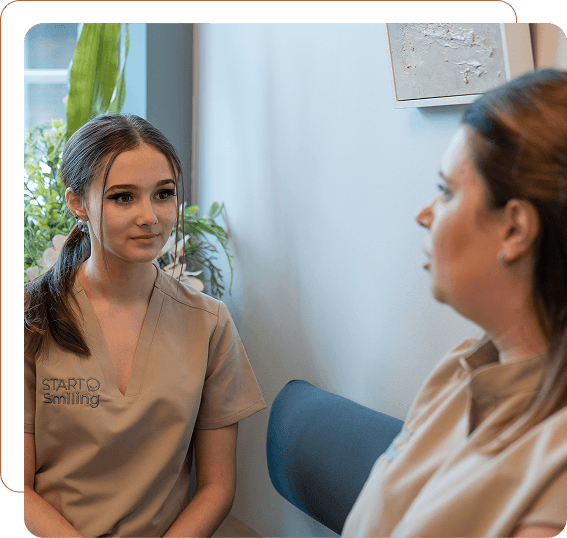
Support can include reassurance, clear explanations and sedation if clinically suitable and available.
A consultation gives you time to discuss dental anxiety, medical history, sedation suitability, benefits, risks and other options before deciding on care.
Conscious sedation uses medication to reduce anxiety while you remain awake and able to respond; the team will explain what to expect and how it differs in practice from full anaesthesia.
If you want to understand the difference between conscious sedation and general anaesthesia, clinicians will outline how levels of consciousness and responsiveness compare and when each approach might be considered.
When clinically indicated, local anaesthetic can be used alongside sedation to control pain at the treatment site, and this is part of the suitability discussion.
Sedation can sometimes make treatment possible for people with a strong gag reflex or severe anxiety, but the team also discusses non-sedation relaxation techniques and other reasonable alternatives.
For lengthier or more complex procedures, sedation may be one option to support comfort while clinicians carry out care with appropriate monitoring and recovery checks.
Where sedation is used, the practice ensures clinical monitoring during the appointment and a post-treatment recovery assessment with written aftercare tailored to the chosen method.
Fees vary by sedation method, appointment length and the dental treatment required; you will receive a personalised cost estimate and an explanation of what it covers before deciding.
Each patient receives an individual review of health, medicines and dental needs to guide whether sedation is appropriate for their circumstances.
The team recognises anxiety and explores both relaxation options and sedation so you can choose the approach that feels right.
Clinicians explain potential risks, realistic limitations and reasonable non-sedation alternatives when discussing suitability.
If sedation is used, clinicians will follow accepted monitoring and recovery practices and provide aftercare guidance specific to the chosen method.
Costs are explained before treatment, with a detailed estimate that reflects the sedation approach, time involved and the dental work required.
The practice arranges follow-up and recovery checks so concerns after sedation-supported appointments can be reviewed promptly.
We begin with an open discussion about your dental history, prior experiences and what you hope to achieve so the team understands your needs and concerns.
A careful review of medical conditions, allergies and current medicines helps determine whether sedation can be offered safely in your situation.
The clinician explains available approaches, compares conscious sedation and full anaesthesia in practical terms and outlines non-sedation supports that might help.
If sedation is appropriate, the appointment length, monitoring requirements and consent process are agreed so everyone understands the plan.
When sedation is used, clinical monitoring is provided throughout the procedure and local anaesthetic may be applied if needed for pain control.
After treatment the team assesses recovery, gives written aftercare instructions and explains any restrictions or need for an escort according to the chosen method.
Deciding whether sedation is right for you depends on your medical history, current medicines, the complexity of the dental treatment and how much anxiety or gag reflex affects your ability to tolerate care. Conscious sedation may reduce anxiety while you stay able to respond, which differs importantly from general anaesthesia; the practice will discuss the relative benefits and limitations of both approaches during your assessment.
Some patients are helped by non-sedation relaxation measures or local anaesthetic alone, while others find a sedation-supported appointment makes necessary treatment possible. The clinician will outline monitoring, likely recovery needs and alternatives so you can make an informed choice that fits your health and preferences.
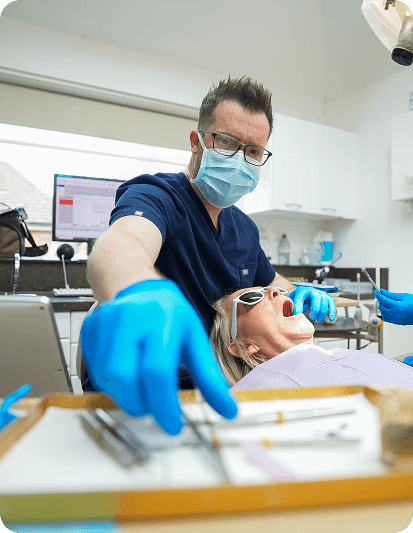
Understand what conscious and responsive means before discussing the options available to you.
Follow the specific pre-appointment instructions the practice provides for the chosen method.
Bring an up-to-date list of medicines and any relevant medical information to your consultation.
Arrange practical support at home if the team advises an escort or additional help after your appointment.
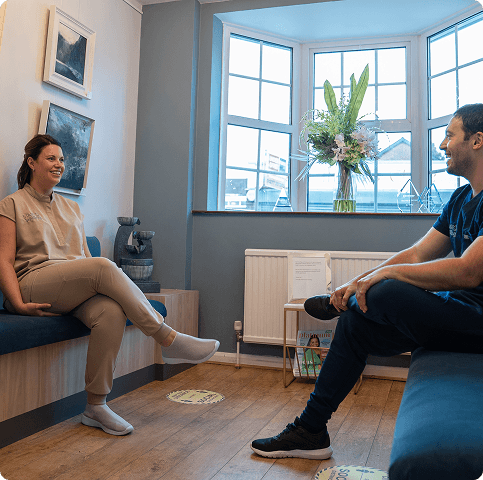
Follow the written aftercare guidance provided by the practice after your appointment.
Avoid driving or operating heavy machinery only if the clinician advises this for your chosen sedation method.
Contact the practice promptly if you experience unexpected symptoms or concerns after treatment.
Patients searching from Blackmore are welcome to arrange a private consultation at Start Smiling’s Ingatestone practice to discuss dental anxiety, conscious sedation and other relaxation options. The team will review suitability, monitoring and costs before any treatment is planned.