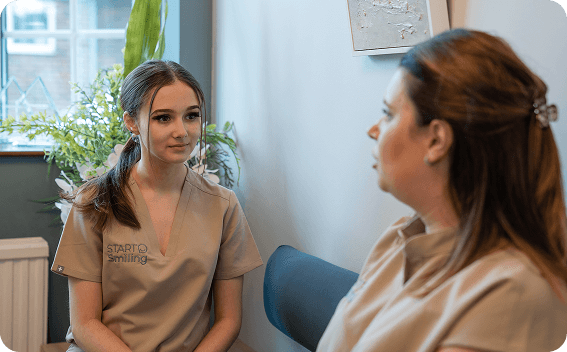
Consultation And Assessment
01
A consultation gives you time to discuss dental anxiety, medical history, sedation suitability, benefits, risks and other options before deciding on care.
Worried that a strong gag reflex will make discussing or receiving dental care impossible? Many adults find that gagging, prior upsetting visits or general dental anxiety prevents them from talking through options or completing treatment. If you are searching from Boreham, Start Smiling’s team assesses these concerns at our Ingatestone practice and explains how relaxation approaches or conscious sedation may form part of a personalised plan. The appointment focuses on identifying gag reflex triggers, reviewing medical history and medicines, and outlining both non‑sedation and sedation options so you can decide with clear information and realistic expectations.
Start Smiling offers private sedation and relaxation dentistry options as one possible approach for adults when assessment indicates they may help; appointments are provided from our Ingatestone practice. Conscious sedation uses medication to reduce anxiety while patients remain conscious and able to respond, unlike general anaesthesia, and local anaesthetic may also be used where clinically indicated.
Before any sedation is agreed, your clinician reviews medical history, medicines and the dental work required, explains likely monitoring and recovery arrangements, and provides an estimate of fees. Escort and driving guidance, specific monitoring details and aftercare instructions are explained at assessment because they depend on the chosen approach and your individual circumstances.
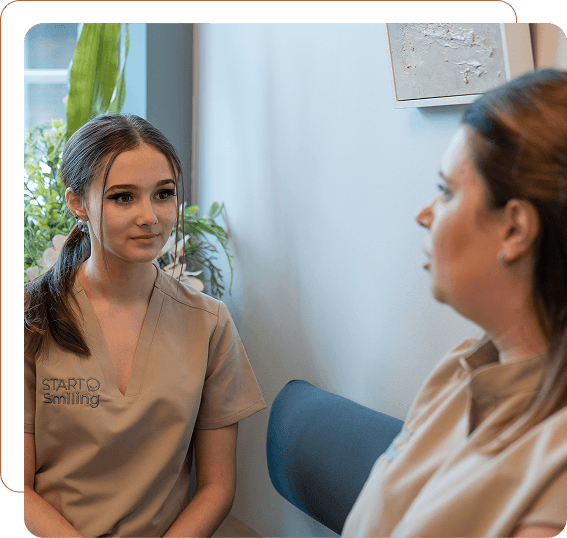
Eight Practical Points To Know Before You Decide
A consultation gives you time to discuss dental anxiety, medical history, sedation suitability, benefits, risks and other options before deciding on care.
The clinician discusses techniques to reduce gagging during examination and treatment and whether those approaches or sedation would be more suitable for you.
Non‑sedation strategies such as breathing guidance, chair positioning and gradual steps may be offered where appropriate and explained alongside sedation choices.
Conscious sedation involves medication to lower anxiety while you remain awake and able to respond; the team explains how this differs from general anaesthesia and what to expect.
When clinically indicated, local anaesthetic can be used with or without sedation to manage pain during procedures and this is discussed during planning.
When sedation is selected, appropriate clinical monitoring, recovery assessment and written aftercare instructions form part of the plan, with details explained at assessment.
Fees depend on the sedation approach, appointment length and the dental treatment required; the practice provides a clear estimate before you choose to proceed.
You will be able to ask about sensations, memory effects and practical arrangements before agreeing to any sedation so consent is informed and documented.
Your clinician will summarise next steps and provide a written estimate and aftercare guidance when sedation is agreed.
Clinicians routinely assess adult patients with dental anxiety and strong gag reflexes and prioritise careful communication during planning.
Each care plan starts with a private discussion of health, medicines and treatment needs so options are selected for your situation, not assumed.
The team explains the principles of conscious sedation, how it differs from general anaesthesia and what monitoring and recovery steps to expect.
Sedation is considered alongside the dental treatment to ensure timing, monitoring and follow‑up are arranged to suit the planned work.
We outline factors that affect fees and provide a clear estimate before you commit to treatment so you can plan financially.
Relaxation strategies are discussed as part of a wider plan so you can choose whether sedation, non‑sedation measures or a combination patient-focused meets your needs.
You describe your dental history, previous experiences and specific concerns such as a strong gag reflex so the clinician can understand the practical barriers to care.
The team reviews general health, prescription and over‑the‑counter medicines and any allergies to identify factors that affect sedation suitability and safety.
Together you explore relaxation techniques, conscious sedation and local anaesthetic as appropriate, with the clinician explaining likely benefits, limitations and alternatives.
If sedation is agreed, the clinician outlines the appointment format, monitoring arrangements and the likely recovery process tailored to your circumstances.
During a sedated appointment the clinical team monitors your well‑being while delivering the dental care; the exact monitoring measures and how they are used will be explained at assessment.
After treatment the team assesses your recovery, provides written aftercare instructions and explains any temporary activity or supervision recommendations relevant to your sedation method.
Sedation dentistry may be appropriate when anxiety, a pronounced gag reflex or lengthy procedures would otherwise prevent necessary treatment, but suitability depends on your general health, current medicines and the type of dental work required. Many patients benefit from an assessment that identifies whether a non‑sedation pathway or a sedated approach is most likely to help them attend and tolerate treatment.
If a strong gag reflex makes talking about treatment difficult, the clinician will explore practical triggers and discuss whether desensitisation, position changes, topical measures or conscious sedation are more likely to resolve the issue safely; the practice explains the likely monitoring, recovery steps and any precautions relevant to your personal medical history.
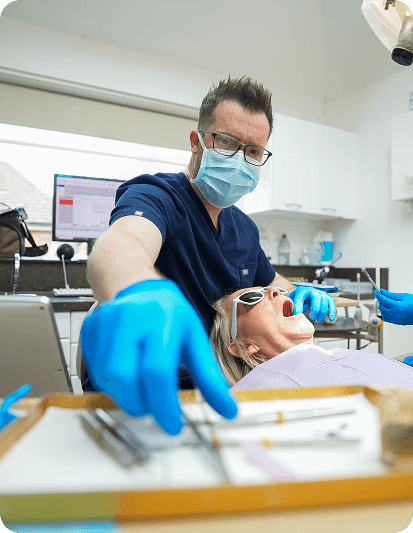
Explain when your gag reflex causes difficulty so the clinician can explore appropriate support.
Bring a current list of all prescription and over‑the‑counter medicines you take.
Tell the team about past dental experiences, anxiety triggers and any history of a strong gag reflex.
Wear comfortable clothing and consider leaving non‑essential valuables at home.
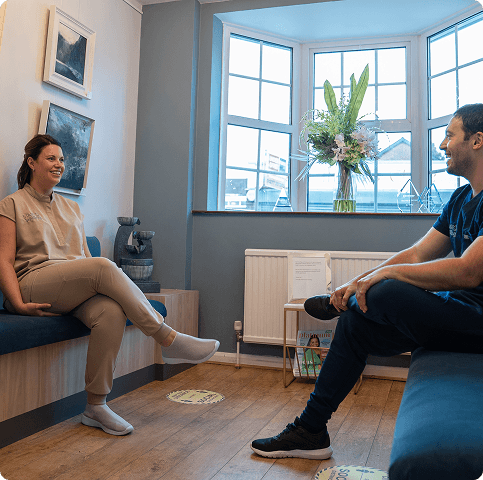
Follow the written aftercare instructions provided by the team for your specific appointment.
If advised, arrange for someone to accompany you or to collect you according to the personalised guidance given after assessment.
Contact the practice promptly if you have unexpected or concerning symptoms after sedation so the team can advise you.
Start Smiling provides sedation and relaxation dentistry assessments from our Ingatestone practice for patients travelling from Boreham and surrounding areas; appointments are arranged to allow time for a detailed conversation about gag reflex triggers, anxiety and the treatment plan, and to issue a clear cost estimate.