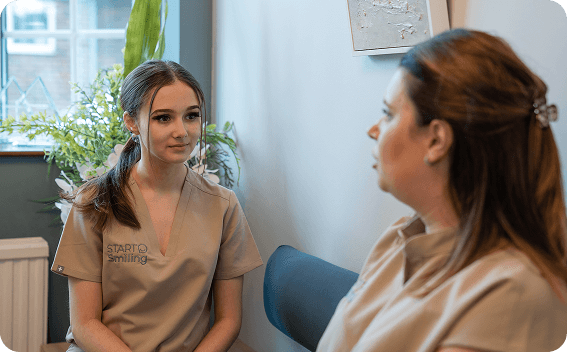
Consultation And Assessment
01
A consultation gives you time to discuss dental anxiety, medical history, sedation suitability, benefits, risks and other options before deciding on care.
When anxiety changes from one dental visit to the next, deciding whether to try relaxation methods or conscious sedation can feel unsettling and make it hard to start or finish treatment. If you are searching from Brentwood, Start Smiling Dental Practice provides private assessment and care at its Ingatestone clinic where clinicians discuss how sedation might fit your needs. Assessments review medical history, current medicines, dental requirements and any prior experiences so you can weigh the benefits, limitations and alternatives. Some people are supported without medication and others choose sedation for specific appointments; the aim is a clear, personalised plan that matches what you prefer and need.
Start Smiling provides private sedation dentistry consultations and treatments on a private basis, with an emphasis on clear information, consent and a tailored approach to dental anxiety and relaxation care.
To arrange a private assessment or to confirm which sedation and relaxation options are available at the Ingatestone practice, call 01277 353456; the team will explain the likely process, discuss costs and answer preparatory questions.
Practical Points To Help You Decide Before Booking
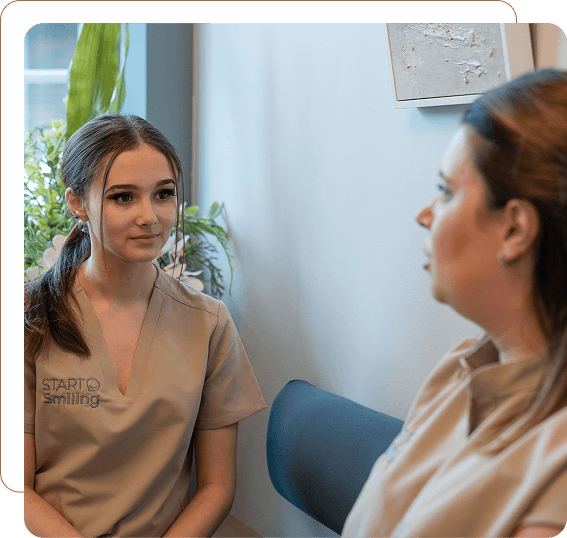
A consultation gives you time to discuss dental anxiety, medical history, sedation suitability, benefits, risks and other options before deciding on care.
If your anxiety varies between visits, the team will discuss staged or appointment-specific choices so you can try less intrusive measures first or use sedation for particular procedures if required.
Non-pharmacological options such as relaxation strategies or stepwise treatment may be suggested after discussion and may suit those whose anxiety is intermittent.
Sedation may be considered to help with a strong gag reflex or longer procedures, but suitability is determined during assessment rather than assumed in advance.
Local anaesthetic may still be used when clinically indicated alongside conscious sedation to control pain during treatment, as explained during consent.
Where sedation is chosen, appropriate clinical monitoring, recovery assessment and written aftercare instructions are provided as part of the care pathway.
Costs vary by sedation method, appointment length and the dental treatment required; the practice will provide a clear estimate before you decide to proceed.
You will receive tailored aftercare advice and guidance on whether an escort or specific driving restrictions apply, which the team confirms after assessment.
Clinicians and staff regularly support patients with dental anxiety and take time to explain options in straightforward language.
Recommendations are made after reviewing your medical history, medicines and the planned dental work so suitability and risks can be discussed.
You will receive information about conscious sedation, non-sedation alternatives and what to expect so you can give informed consent.
Sedation consultations and treatments are provided privately with cost estimates explained before any treatment is booked.
When sedation is used, the team provides recovery checks, written aftercare instructions and advice about whether an escort is recommended.
Questions are encouraged and the approach can be adapted if your anxiety changes between appointments.
You will describe your main concerns, previous dental experiences and what you want to achieve so the team understands your priorities.
A clinician reviews your general health, current medications and any previous reactions to sedation or anaesthetics to assess suitability and safety.
The team explains conscious sedation and non-sedation alternatives, including potential benefits, limitations and the questions you should consider before deciding.
A treatment plan is prepared that reflects the agreed approach, likely appointment length and an estimate of costs so you can make an informed choice.
If sedation is agreed, medication is given to reduce anxiety under clinical supervision and appropriate monitoring is carried out throughout the appointment.
You will be observed during recovery and given written aftercare instructions; the team will advise whether you need an escort or specific steps to follow afterwards.
Conscious sedation involves medication to reduce anxiety while you remain conscious and able to respond; it differs from general anaesthesia where a patient is rendered unconscious. Whether sedation is right for you depends on your medical history, current medicines, the type of dental work and your personal preferences.
For patients whose anxiety varies, the practice can discuss trying relaxation or behavioural approaches for some visits and using sedation selectively for others; the decision is collaborative and may change over time as confidence and needs evolve.
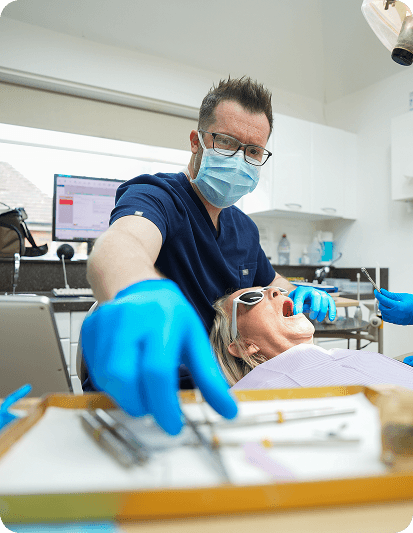
Explore choosing an informed approach when dental anxiety varies with the clinician during an assessment.
Bring a current list of all medicines and any known allergies to your assessment so the clinician can review suitability.
Make a note of previous dental experiences or reactions to sedation to help the team understand how anxiety has affected past care.
Wear comfortable clothing and plan to arrive in good time so you can settle before your appointment.
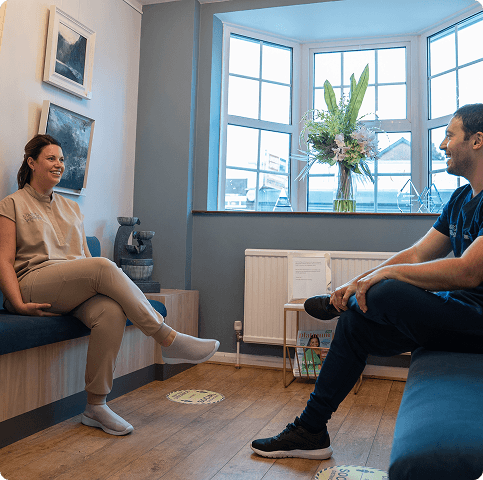
Follow the personalised aftercare instructions given to you at the practice and ask for clarification before you leave.
Arrange transport or an escort if the team advises this after your assessment, noting that requirements depend on the agreed approach.
Contact the practice promptly if you experience unexpected symptoms or have concerns following sedation.
Many patients from Brentwood contact Start Smiling to discuss sedation and relaxation dentistry and then attend the Ingatestone practice for a focused assessment. Please call to discuss appointment options and any preparatory questions so the practice can confirm which sedation approaches are available and advise on timing.