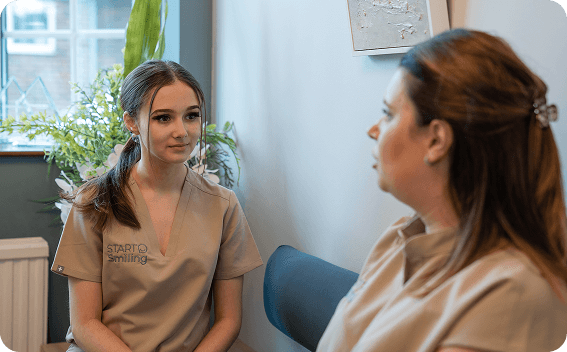
Consultation And Assessment
01
A consultation gives you time to discuss dental anxiety, medical history, sedation suitability, benefits, risks and other options before deciding on care.
Prior negative experiences or a persistent fear of needles and drills often leaves adults wondering whether dental care must include sedation. Many patients from Chelmsford prefer to be helped with little or no medication, and at Start Smiling Dental Practice, which provides appointments at the Ingatestone surgery, we make that possibility a central part of the conversation. A suitability assessment looks at your medical history, current medicines and the dental work needed before any decision is made, and the team explains both non-sedation strategies and sedation options, plus how monitoring, recovery and aftercare would be managed if sedation is chosen.
Private assessment and care are available for adults who feel anxious about dental treatment and want to explore whether relaxation or conscious sedation could help. The team discusses your preferences, the likely benefits and the possible risks and alternatives, and confirms during assessment which support options are available for your appointment.
Start Smiling Dental Practice provides appointments at the Ingatestone surgery for patients searching from Chelmsford and surrounding areas. If you have questions or would like to arrange a consultation, the practice team can explain the process and available times.
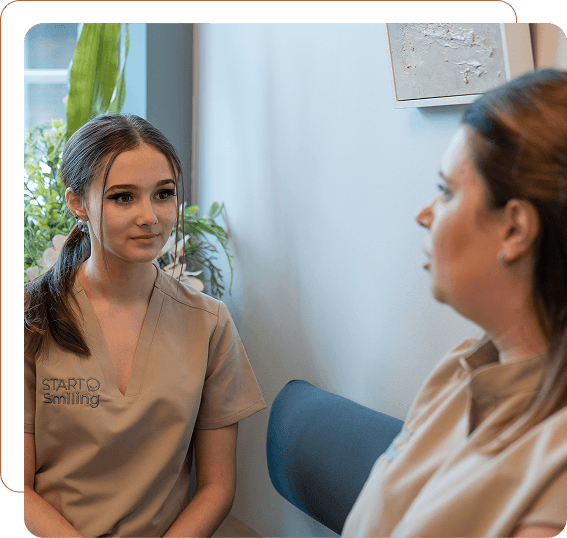
Support And Practical Details For Nervous Patients
A consultation gives you time to discuss dental anxiety, medical history, sedation suitability, benefits, risks and other options before deciding on care.
Guidance to help you explain past dental experiences, triggers and what you hope to achieve so the team can plan care that aims to reduce stress.
Where suitable, options to manage anxiety without medication are discussed so you can choose the least invasive approach that still allows safe treatment.
Conscious sedation involves medication to reduce anxiety while you remain able to respond; the clinician will explain how this differs from general anaesthesia and what it means for your appointment.
Local anaesthetic may be recommended when clinically indicated to control pain during treatment, and the clinician will explain when and why it will be used.
If sedation is part of your care, clinicians describe the clinical monitoring, recovery assessment and personalised aftercare you will receive.
Recovery time, escort and driving guidance vary by method and individual factors; you will receive specific instructions relevant to your planned approach.
Fees depend on the sedation approach, appointment length and the dental treatment required; the practice provides a clear estimate before you decide to proceed.
Clinicians assess suitability for sedation with careful review of your medical history and the dental work you need.
You receive clear explanations of risks, benefits and non-sedation alternatives so you can make an informed choice.
Treatment plans, monitoring and recovery arrangements are tailored to each patient rather than applied uniformly.
Private consultations allow time to discuss anxiety, options and any concerns about receiving care with minimal medication.
The team explains what to expect during assessment, how sedation affects recovery and which post-appointment arrangements may be needed.
Personalised recovery instructions and follow-up arrangements are provided as part of your care plan.
You describe your dental worries, previous experiences and what you hope to achieve so the clinician understands your concerns and goals.
A clinician reviews your medical history, current medicines and any health conditions that influence whether sedation is appropriate.
The team explains both non-sedation approaches and sedation options, including likely benefits, possible risks and alternatives so you can decide.
If sedation is appropriate, the clinician outlines a plan covering appointment length, monitoring arrangements and recovery expectations specific to your case.
When sedation is used, appropriate clinical monitoring takes place during the procedure and staff check your condition throughout.
You receive tailored aftercare instructions and information about any escort or driving recommendations that apply to your chosen approach.
Many adults find that a careful suitability assessment clarifies whether they can be treated without sedation or whether a sedation approach will make attendance and treatment more manageable. Some people who worry about injections or dental noises prefer to try relaxation strategies and local anaesthetic before considering medication, and the assessment explores those possibilities.
Others with severe anxiety, a strong gag reflex or the need for longer or more complex treatment may, after discussion, decide that conscious sedation could be helpful. The team does not assume sedation is necessary and will base recommendations on your health, medicines and treatment goals.
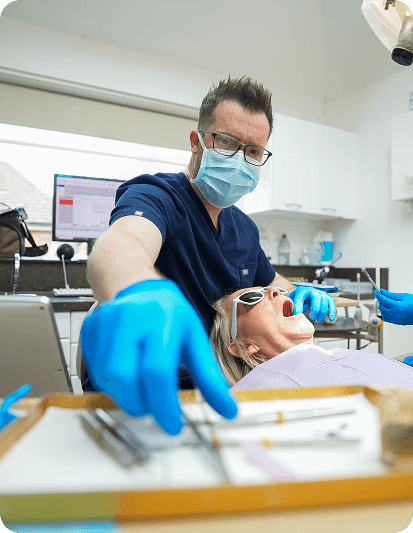
Explore understanding the possibility of care without sedation with the clinician during an assessment.
Your clinician will give you personalised instructions about any preparation needed for your appointment.
Bring a list of current medicines and a full description of relevant health conditions to help the assessment.
Only make escort or travel arrangements after the practice explains recommendations that apply to your chosen approach.
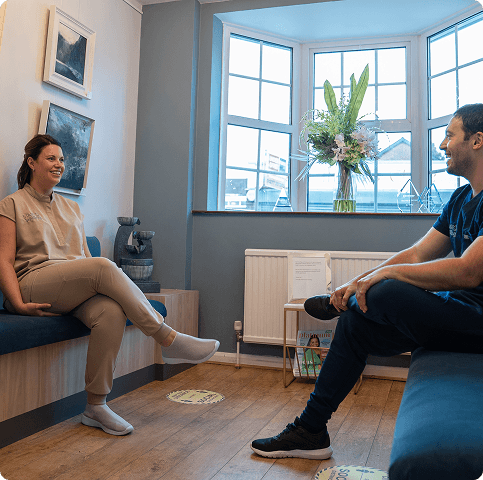
Follow the recovery and activity guidance provided by the team for your specific procedure.
Contact the practice promptly if you experience unexpected symptoms or concerns during recovery.
Allow time to rest after treatment according to the personalised instructions you receive.
Patients travelling from Chelmsford are welcome to attend the Ingatestone practice for assessment and treatment planning. Appointments are arranged directly with the practice and the team will explain what to bring and how they support adults who prefer minimal medication or who may need sedation.