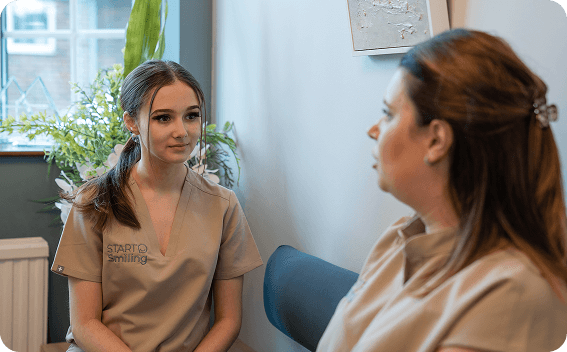
Consultation And Assessment
01
A consultation gives you time to discuss dental anxiety, medical history, sedation suitability, benefits, risks and other options before deciding on care.
Having avoided dental visits for years because of anxiety, painful memories or embarrassment can make the first call feel overwhelming. If you are in Fryerning and ready to begin again, Start Smiling Dental Practice in Ingatestone offers a confidential, private consultation to talk about returning to care and whether relaxation or conscious sedation might help. The appointment focuses on listening to your experience, reviewing your health and medications, and explaining what a suitability assessment involves, including alternatives to sedation. This lets you choose an approach, sedation or non-sedation, that balances your comfort with safe, planned dental treatment.
Start Smiling provides private consultations at its Ingatestone practice for adults who want to discuss sedation and relaxation dentistry as a way to restart postponed care. These appointments give time to describe your history, explore any worries about returning, and set out practical options so you can make an informed choice.
Sedation choices are confirmed after an individual suitability assessment that considers medical history, medications and the dental work needed. Where a sedative is agreed, clinicians follow clinical monitoring, recovery checks and give written aftercare guidance; the practice will explain any escort or driving advice that may apply and provide a cost estimate before you decide.
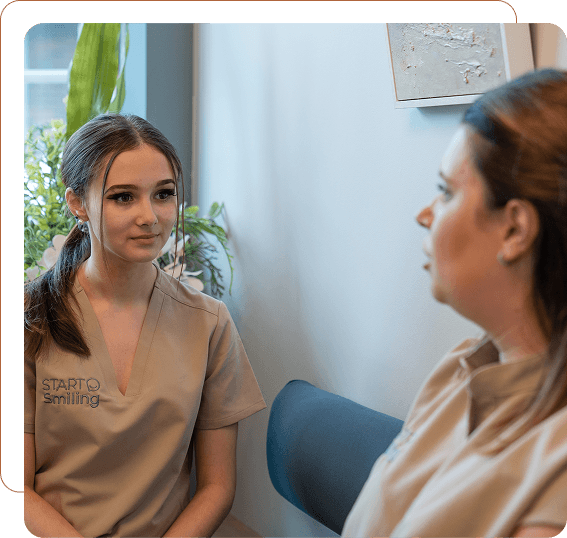
Practical points to help you raise concerns and understand sedation and relaxation options
A consultation gives you time to discuss dental anxiety, medical history, sedation suitability, benefits, risks and other options before deciding on care.
Tell the team about years of postponed care, past painful visits or specific fears so they can tailor support and pace treatment to what you find manageable.
The clinician will describe non-sedation strategies and relaxation measures that may help some patients, alongside discussion of sedative options if suitable.
Conscious sedation uses medication to reduce anxiety while you remain able to respond; the practice can confirm which methods, if any, are appropriate after assessment.
Local anaesthetic may be used when clinically indicated to control pain and can be considered alongside sedation where required.
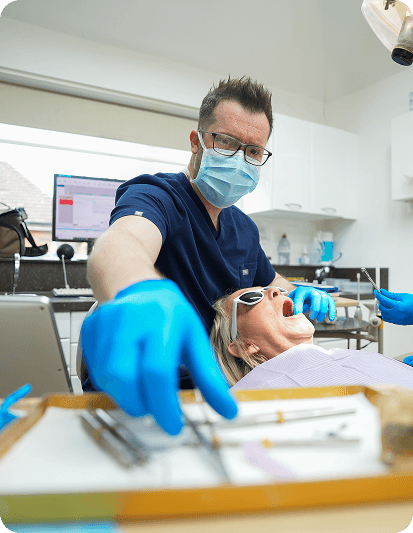
If sedation is used, clinicians carry out clinical monitoring, assess recovery and provide specific aftercare instructions relevant to your appointment.
Sedation may be considered for a range of adult general dentistry procedures depending on the planned treatment and your assessment.
You will receive clear information about likely costs and be asked to give informed consent before any sedative medication or treatment proceeds.
Contact the practice to discuss any specific questions about suitability or appointments.
Registered clinicians carry out assessments and plan treatment within private care at the Ingatestone practice.
Appointments allow time to discuss your history and to outline options that match your comfort and clinical needs.
The practice explains risks, likely benefits, alternatives and estimated costs so you can make an informed decision.
The team routinely addresses dental anxiety and can discuss both relaxation techniques and conscious sedation when appropriate.
Sedation is considered alongside the full range of adult general dental treatments offered by the practice.
If sedation is agreed, you will receive monitoring, recovery checks and written aftercare instructions specific to your visit.
We begin by listening to why you postponed care and which aspects of appointments cause the most worry so planning matches your needs.
The clinician reviews your medical history, current medications and any health factors that influence sedation suitability.
We explain possible relaxation or sedation approaches, non-sedation alternatives and the likely benefits and limitations of each.
A clear treatment plan is agreed, including estimated timings, costs and any consent paperwork required before treatment.
If sedation is used, the team carries out clinical monitoring during the appointment and applies local anaesthetic when clinically indicated.
After treatment the clinician assesses your recovery, gives written aftercare instructions and explains any temporary restrictions if advised.
Sedation suitability is a personal decision reached after reviewing your overall health, medications and the dental work required. For many people who have avoided the dentist for years, a single assessment can relieve uncertainty and lead to a planned approach that may or may not include sedative medication.
If anxiety feels overwhelming, discussing conscious sedation is appropriate, but it is not the only route; some patients complete care with paced appointments, extra communication and non-sedation relaxation measures. The clinician will set out likely outcomes, risks and alternatives to help you decide.
Returning to dental care after time away can begin with a conversation about what has made appointments difficult.
Bring an up-to-date list of current medicines and any recent health information the team should know.
Be prepared to describe past dental experiences and what specifically makes visits difficult for you.
Follow any personalised instructions the practice provides before your appointment.
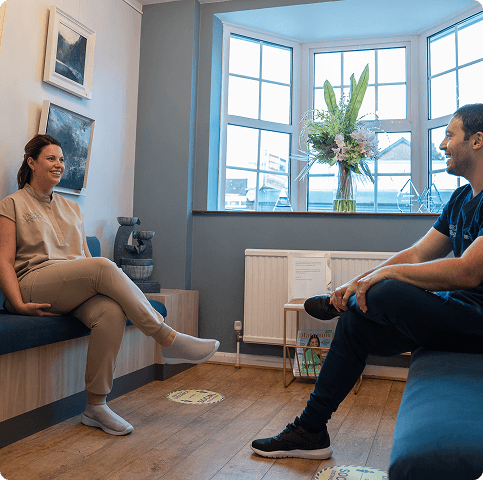
Arrange for someone to accompany you if the clinician advises an escort or notes driving restrictions.
Follow the written aftercare instructions provided after your appointment and ask for clarification if needed.
Contact the practice promptly if you experience unexpected symptoms or have questions following treatment.
Patients from Fryerning are welcome to attend Start Smiling’s practice in Ingatestone for consultations and treatment. The practice is at 5 Market Place, Ingatestone, Essex, CM4 0BY; telephone 01277 353456 to speak to the team about appointments and any accessibility needs.