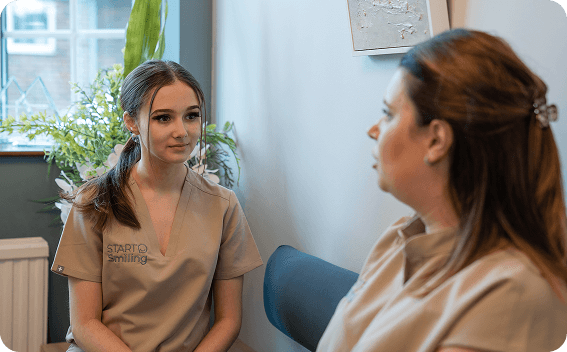
Consultation And Assessment
01
A consultation gives you time to discuss dental anxiety, medical history, sedation suitability, benefits, risks and other options before deciding on care.
A previous upsetting dental experience can make even routine appointments feel daunting, and explaining what happened helps the team adapt care to your needs; if you are searching from Galleywood, Start Smiling offers private sedation and relaxation dentistry consultations at the Ingatestone practice where the clinician will listen before recommending a way forward. In a suitability assessment the dentist will review your general health, current medicines and dental needs, describe conscious sedation in plain terms and outline non-sedation alternatives such as relaxation approaches or local anaesthetic when clinically appropriate, so you can weigh risks, monitoring and aftercare before deciding whether to proceed.
Start Smiling provides private sedation and relaxation dentistry consultations at the Ingatestone practice for adults seeking help with dental anxiety from Galleywood; the aim is to explain how conscious sedation differs from general anaesthesia and to discuss whether any sedation or alternative approach may suit you.
Assessment looks at your medical history, prescribed medicines and the dental treatment needed, and the team will explain what sedation options are available at the practice, how monitoring and recovery are managed and how likely fees are to vary by method and appointment length.
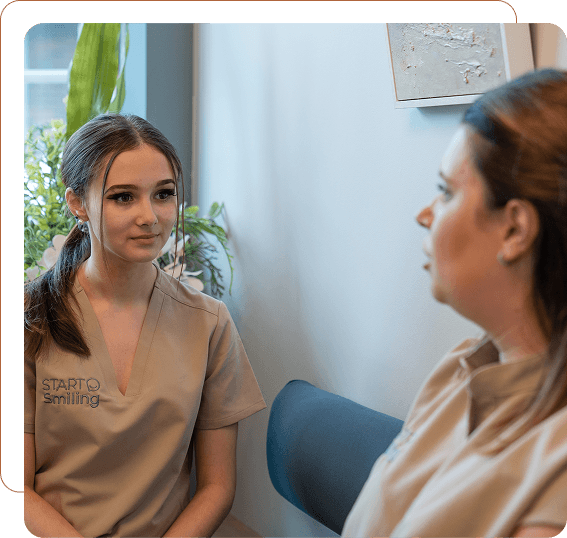
Practical information to help you prepare and ask the right questions
A consultation gives you time to discuss dental anxiety, medical history, sedation suitability, benefits, risks and other options before deciding on care.
Explain what felt most distressing during your previous visit, sensations, sounds, timing or staff actions, so the team can suggest specific ways to reduce the chance of a repeat and plan care that feels safer for you.
Conscious sedation uses medication to reduce anxiety while you remain awake and able to respond; the practice will confirm which sedation approaches are available and appropriate during your assessment.
Some people prefer staged appointments, local anaesthetic or relaxation techniques instead of sedation; these and other options are explained and compared during the consultation.
When sedation is used the team will explain the clinical monitoring and recovery checks that apply and how aftercare instructions and any escort requirements are determined.
Sedation costs depend on the method, appointment length and the dental treatment required; the practice will provide a clear estimate before any treatment goes ahead.
Whether you need someone to accompany you after sedation varies by method and individual instructions, and the practice will advise you as part of planning.
Prepare a list of questions and the details of any upsetting experience you want to share so you can make the most of the consultation time.
The team takes time to listen to what made your previous visit upsetting and answers questions before any decisions are made.
Decisions about sedation are based on your medical history, medicines and the dental work required to support safe care.
You receive a plain-language explanation of conscious sedation and how it differs from general anaesthesia so you can make an informed choice.
Likely fees are discussed and an estimate provided before treatment proceeds so there are no unexpected charges.
The practice explains monitoring, immediate recovery checks and the aftercare steps that will apply to your appointment.
Staff aim to make appointments predictable and respectful, reducing surprises for people who feel anxious about dental treatment.
You discuss why you are anxious, describe any upsetting previous dental events and say what outcome would make a visit acceptable to you.
The clinician reviews your general health and medicines to assess whether sedation is likely to be suitable and safe for you.
Available sedation and non-sedation approaches are described, along with risks, monitoring expectations and any practical requirements to consider.
If you and the clinician agree on a plan, practical arrangements such as appointment length and any escort needs are discussed; the practice confirms what options are available at assessment.
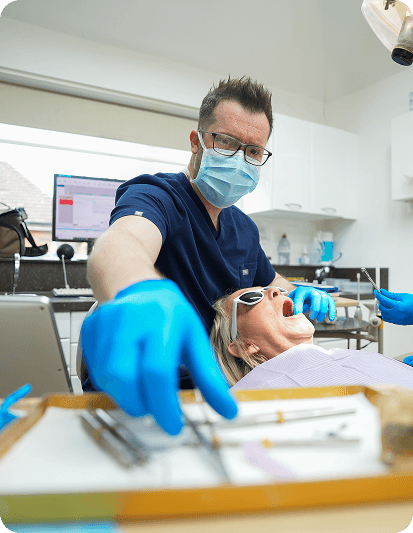
During treatment the team provides appropriate clinical monitoring and keeps you informed, within the limits of the chosen approach.
Aftercare instructions and recovery checks are given at the visit and tailored to the sedation method and the dental work performed.
Sedation dentistry may help if panic, a strong gag reflex or a previous upsetting experience prevents you from receiving needed care, but it is not subject to individual clinical assessment and discussion of potential risks; suitability follows an individual assessment of your health, medicines and the proposed dental work.
If a past visit is the main barrier, tell the dentist exactly what occurred, for example where the anxiety began, particular sounds or sensations that trouble you and whether any physical after-effects remain, as that information helps the team recommend the right level of support and alternatives.
Your previous experiences can inform what to discuss before another dental appointment.
Bring a list of current medicines and any relevant medical notes to your appointment.
Write down the details of the upsetting dental experience you want to share so you can describe it clearly.
Prepare questions in advance about sedation methods, monitoring and how memories of the visit may vary.
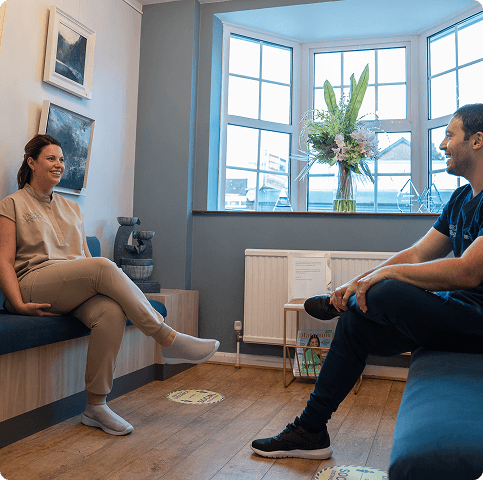
Follow the specific recovery and aftercare instructions provided to you at the practice.
Avoid driving until the practice confirms it is safe for you to do so following your appointment.
Contact the practice promptly if you have unexpected symptoms or concerns after treatment.
Start Smiling’s sedation and relaxation consultations take place at the Ingatestone practice and patients from Galleywood are welcome to book an assessment; the team will confirm appointment details, available options and any practical arrangements when you call.