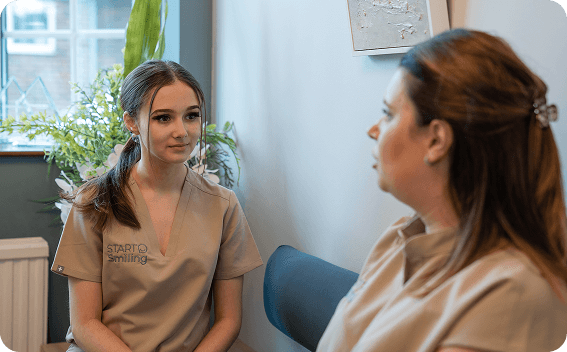
Consultation And Assessment
01
A consultation gives you time to discuss dental anxiety, medical history, sedation suitability, benefits, risks and other options before deciding on care.
Fear of loss of control, past painful experiences or the worry that you will not cope during a longer appointment leads many adults to delay care. If this describes you and you are searching from Great Baddow, Start Smiling Dental Practice in Ingatestone can arrange a private consultation to discuss relaxation and conscious sedation choices. A central part of that first appointment is a clear review of the medicines you take and your medical history, because prescriptions, over-the-counter remedies and supplements influence which approaches are safe; the clinician will also explain risks, alternatives, monitoring and any procedure-specific instructions so you can decide.
Start Smiling offers private discussions about sedation and relaxation dentistry for patients searching from Great Baddow at its Ingatestone practice. The team explains how conscious sedation differs from general anaesthesia and when a local anaesthetic may also be used, and the clinician will confirm which sedation approaches are available after assessment.
Any decision to use sedation follows an assessment of your dental needs, overall health and current medicines. When sedation is agreed, the practice provides clinical monitoring, a recovery assessment and written aftercare instructions, and gives an estimate of likely costs before treatment proceeds.
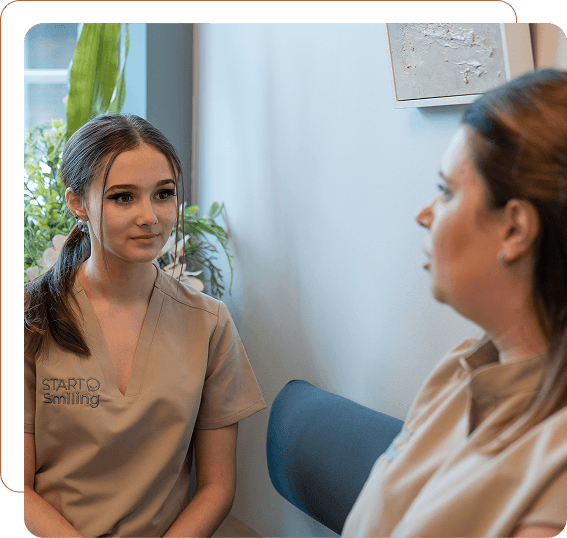
Practical Points To Help You Prepare And Decide
A consultation gives you time to discuss dental anxiety, medical history, sedation suitability, benefits, risks and other options before deciding on care.
Tell the clinician about all prescription medicines, over-the-counter drugs and supplements, recent operations, allergies and long-term conditions; this information strongly influences safety and which sedation approaches are appropriate.
Conscious sedation uses medication to reduce anxiety while you remain awake and able to respond; the clinician will confirm the available methods and their implications after assessment.
For many patients, careful explanation, shorter appointments or relaxation strategies discussed during consultation can reduce anxiety and help avoid medication if that is preferred.
If your gag reflex has previously made treatment difficult, the clinician will explain whether sedation or other practical approaches might help in your case after reviewing your health and medicines.
Longer or more complex procedures can sometimes be planned with sedation as part of a step-by-step treatment plan that the team will agree with you in advance.
When sedation is used, appropriate clinical monitoring and a recovery assessment apply and the practice will provide written aftercare instructions tailored to the chosen approach.
If you prefer to avoid medication, the team will outline non-sedation alternatives such as staged visits, communication techniques and short appointments so you can weigh benefits and risks.
The clinicians discuss relaxation and conscious sedation options individually so you understand the likely benefits and risks for your situation.
Assessments consider your medical history, current medicines and dental needs before any sedation is recommended.
The team explains how conscious sedation differs from general anaesthesia and when a local anaesthetic may also be used.
Where sedation is chosen, the practice provides clinical monitoring, recovery checks and written aftercare information relevant to the method used.
The practice explains an estimate for sedation before treatment proceeds; costs depend on the sedation method, appointment length and the dental work required.
The aim is to help you access necessary dental care while respecting individual anxiety, previous experiences and personal preferences.
You describe your dental concerns, previous experiences and what you hope to achieve so the clinician understands your priorities.
The clinician reviews your medical history, prescription medicines, over-the-counter remedies and supplements to identify any safety considerations and special precautions.
The team explains possible approaches, risks, benefits and non-sedation alternatives, and confirms which sedation methods can be considered after assessment.
If sedation is appropriate, the appointment schedule, monitoring arrangements and any procedure-specific instructions are agreed with you.
During treatment the team monitors your wellbeing and provides local anaesthetic where clinically indicated; the clinician will describe what monitoring applies to the chosen method.
After treatment you have a recovery assessment and receive written aftercare guidance tailored to the sedation approach used and your individual needs.
Sedation may suit adults whose dental anxiety, a strong gag reflex or the need for longer procedures has prevented them from getting necessary care, but it is not required or subject to individual clinical assessment and discussion of potential risks. The clinician will consider your overall health, current medicines and the complexity of the treatment when advising whether sedation is a reasonable option.
Because medicines and medical history have a major effect on safety and choice, be prepared to provide a complete list of prescriptions, over-the-counter products and supplements at your assessment; the clinician will explain how this information affects which approaches may be offered and any procedure-specific instructions.
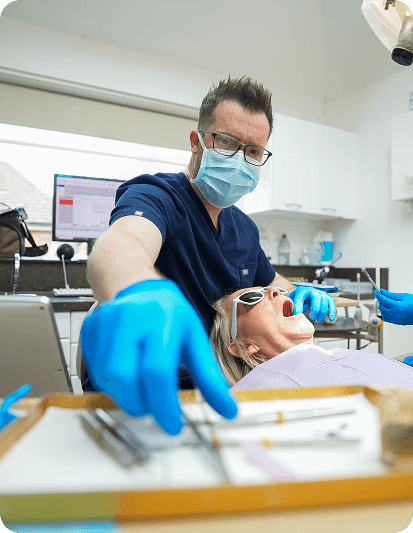
Bring your medical questions into the suitability discussion rather than assuming a method will fit.
Provide a full list of all prescription medicines, over-the-counter drugs and any herbal supplements before your appointment.
Bring details of recent operations, allergies and long-term conditions so the clinician can assess suitability.
Arrange transport or an escort if the practice advises this for the chosen sedation method after assessment.
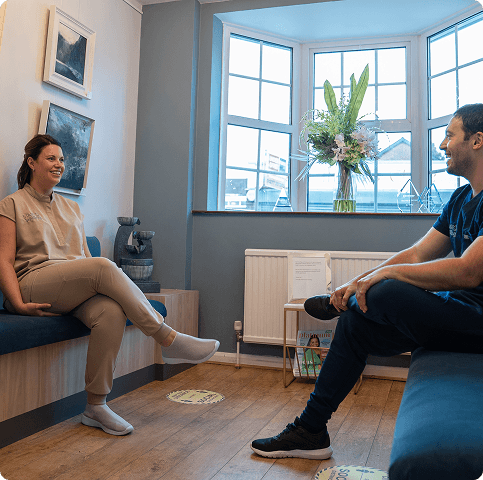
Follow the practice’s written recovery instructions and keep the contact details provided for questions or concerns.
Avoid driving or engaging in important tasks until the practice confirms it is safe for your situation.
Report any unexpected or concerning symptoms to the practice promptly using the contact details given at your appointment.
If you live in Great Baddow and would like to discuss sedation dentistry, Start Smiling Dental Practice in Ingatestone can arrange a private consultation to review options, your medicines and medical history, monitoring and likely costs so you can plan treatment with confidence.