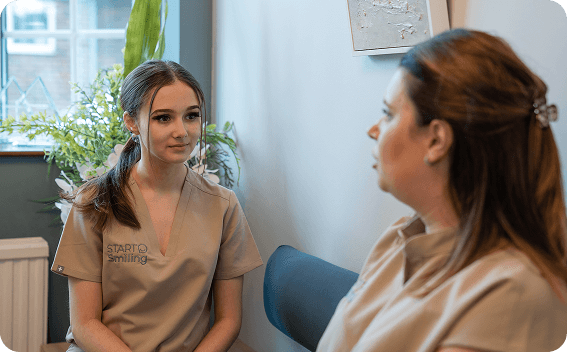
Consultation And Assessment
01
A consultation gives you time to discuss dental anxiety, medical history, sedation suitability, benefits, risks and other options before deciding on care.
If past dental experiences, a strong gag reflex or worry about losing control during treatment make you postpone appointments, discussing how sedation and personal comfort measures can work together may help you feel safer and more able to complete care. At Start Smiling Dental Practice we see patients from Hadleigh at our Ingatestone surgery and offer a careful conversation about conscious sedation, relaxation choices and non-sedation approaches. Conscious sedation uses medication so you remain awake and able to respond, and local anaesthetic may be used when clinically indicated. A suitability assessment reviews your health, medicines and treatment needs, and it is also the time to raise practical comforts such as music, pacing or breaks alongside any sedation plan.
Private sedation dentistry at Start Smiling allows time to explore your anxiety, personal comfort preferences and the practical steps needed for a safe plan. The team discusses conscious sedation and alternatives, explains how monitoring and recovery are managed when sedation is used, and considers local anaesthetic as needed for pain control.
Decisions about sedation take into account your medical history, current medicines and the complexity of the dental treatment. The practice will outline likely appointments, general considerations and provide an estimate based on the agreed approach before you choose to proceed.
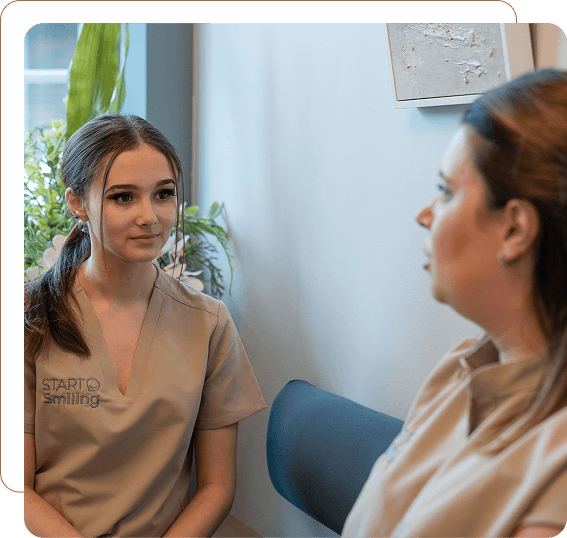
Key Points To Know Before Considering Sedation
A consultation gives you time to discuss dental anxiety, medical history, sedation suitability, benefits, risks and other options before deciding on care.
Conscious sedation uses medication to reduce anxiety while you stay awake and able to respond; the team will explain expected effects and how this differs from general anaesthesia.
You can raise non-medical comforts during planning and the clinician will advise whether and how these measures can be used together with sedation for your appointment.
Not everyone is a candidate for sedation; suitability is based on health, medicines and the planned treatment, and alternatives will be discussed.
When sedation is used, appropriate clinical monitoring and a recovery assessment are part of care and aftercare instructions are provided specific to the approach used.
Sedation can be one option for patients with an overactive gag reflex, but the clinician will also consider non-sedation strategies and pacing of treatment.
Fees depend on the sedation method agreed, appointment length and the dental treatment required; an estimate is explained before you decide to proceed.
Relaxation techniques, shorter appointments or local anaesthetic alone may be suitable alternatives and will be explored during your consultation.
Clinicians discuss sedation and relaxation options with anxious patients and tailor plans to individual needs.
Assessments consider your medical history, current medicines and the specific dental work required before any sedation.
We explain conscious sedation, how it differs from general anaesthesia, and what monitoring and recovery involve.
The team invites discussion of practical comfort measures and will advise how these might fit with any sedation approach.
You receive an explanation of likely appointments, alternatives and an estimate before deciding to proceed.
When sedation is used, clinicians provide monitoring during treatment and tailored aftercare instructions on recovery and follow-up.
You discuss dental fears, past experiences and what makes appointments difficult so the team understands your priorities for comfort and care.
A clinician reviews your health, current medicines and any conditions that affect suitability for sedation and safe treatment.
You will explore conscious sedation, relaxation approaches and non-sedation alternatives and can ask how practical comforts might be combined with a sedation plan.
A treatment plan outlines the dental work, likely appointment length, monitoring needs and any preparations to consider before the session.
If sedation is agreed, medication will be administered under clinical supervision with appropriate monitoring, and local anaesthetic may be used where clinically needed.
After treatment you are observed until clinically ready for discharge and receive personalised aftercare instructions, including whether an escort or driving restriction is advised.
Deciding whether sedation is right involves weighing potential benefits and limitations in relation to your overall health and the type of dental treatment needed. Some patients prefer a single longer appointment with conscious sedation, while others choose a series of shorter visits, non-medical relaxation techniques or local anaesthetic alone; the practice will outline alternatives so you can decide what fits your comfort priorities.
Not everyone is suitable for sedation and there are medical and practical reasons why it may not be recommended. The clinician will explain risks, benefits and available options during the assessment, and include any personal comfort measures you want to discuss as part of the plan.
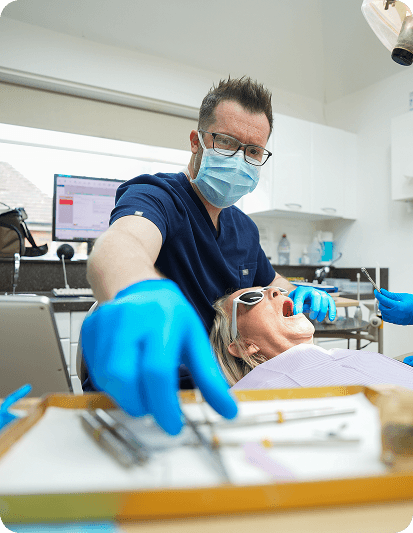
Explore discussing personal comfort measures alongside sedation with the clinician during an assessment.
Bring an up-to-date list of medicines and any relevant medical letters for the clinician to review.
Note any personal comfort measures you wish to use, such as music or rest breaks, so you can discuss them at assessment.
Ask beforehand whether someone should accompany you; the practice will advise based on the chosen sedation approach.

Follow the personalised recovery guidance given by the clinician for your specific sedation method.
Contact the practice promptly if you experience unexpected symptoms after treatment using the details provided at your visit.
Book any recommended follow-up appointments to complete treatment and review recovery as advised.
Start Smiling Dental Practice sees patients from Hadleigh and the wider Castle Point area at its Ingatestone surgery by appointment. If you are considering sedation dentistry, call to discuss availability, the assessment process and what to expect so you can plan your visit with confidence.