Consultation And Assessment
01
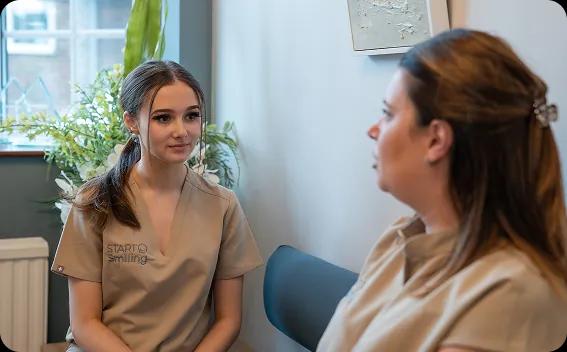
A consultation gives you time to discuss dental anxiety, medical history, sedation suitability, benefits, risks and other options before deciding on care.
Feeling so anxious that you put off dental check-ups, then face larger problems? For people who delay care because the idea of treatment triggers panic, understanding what happens from first consultation to recovery can make a big difference. If you are in Hockley, Start Smiling’s team at the Ingatestone practice can provide a clear, step-by-step explanation of how a suitability assessment works, what conscious sedation is, how local anaesthetic may be used when needed, and how monitoring and aftercare are arranged. We discuss medical history, medications, risks and alternatives so you can make an informed decision.
At Start Smiling we offer private Sedation Dentistry consultations at our Ingatestone practice so patients from Hockley can talk through whether relaxation dentistry or conscious sedation might help them. Conscious sedation involves medication to reduce anxiety while you remain conscious and able to respond; the clinician will explain whether local anaesthetic is needed for the dental work in your case. The team will invite questions and outline what monitoring and recovery checks you should expect.
The choice to use sedation is made after an individual assessment that looks at your medical history, medications and dental needs. Costs vary by the sedation approach, appointment length and planned treatment; the practice provides an estimate before you proceed and explains any practical arrangements or aftercare you will need.

Answers And Practical Steps From Consultation To Aftercare
A consultation gives you time to discuss dental anxiety, medical history, sedation suitability, benefits, risks and other options before deciding on care.
The team can describe relaxation approaches and behavioural support that may be helpful and explain how these compare with sedation options for your situation.
Suitability depends on overall health, medications and the complexity of the dental work; the clinician assesses risks and explains alternatives so you can make an informed choice.
We explain conscious sedation as medication to reduce anxiety while you stay able to respond, and outline that effects vary by method and individual.
Where sedation is used, the practice follows clinical monitoring and recovery checks appropriate to the chosen method, and you will receive written aftercare guidance before you leave.
Fees depend on the sedation method, length of appointment and the dental treatment required; an estimate is given during the consultation so you know what is included.
Some patients are helped by paced appointments, stepwise explanations and non-sedation relaxation techniques; the clinician will discuss whether these are suitable for you.
Before your appointment you can ask for a clear, stepwise plan so you understand each stage from arrival to recovery and know what to expect at every step.
Decisions are based on your medical history, current medication and the dental work needed rather than a one-size-fits-all approach.
We focus on explaining each stage from consultation to aftercare so you understand monitoring, suitability and practical arrangements.
Estimates for sedation and treatment are provided before you agree to proceed so there are no unexpected fees.
Where sedation is used, appropriate monitoring and recovery assessment are arranged and explained in advance.
The team will discuss non-sedation options, such as relaxation strategies and staged appointments, when these may be appropriate.
Follow-up and practical aftercare instructions are provided to support your recovery and help with future visits.
A calm discussion about your dental history, previous experiences and what you hope to achieve forms the foundation of care.
A full review of health and medications helps the clinician determine whether sedation is appropriate and what risks need consideration.
The clinician explains the sedation and relaxation choices that may be suitable after assessment and describes monitoring and recovery expectations.
If sedation is appropriate, a treatment plan sets out the dental work, appointment length, anticipated monitoring and an estimated cost.
During any appointment involving sedation, the clinical team follows monitoring procedures appropriate to the chosen approach and provides care throughout.
Recovery is checked before you leave and you are given written aftercare instructions; the practice will explain any specific escort or driving advice for your case.
Sedation Dentistry may be right for adults who experience significant fear, have a strong gag reflex, or need longer or more complex treatment that would otherwise be hard to tolerate. A suitability assessment weighs the potential benefits against any health risks or medication interactions and identifies safer alternatives when sedation is not appropriate.
Some patients choose relaxation techniques or staged appointments instead of sedation; others find that a conscious sedation option helps them complete necessary treatment. The practice will explain every step, from the initial consultation to recovery and aftercare, so you can decide with confidence whether sedation or another approach is the patient-focused route for your dental care.
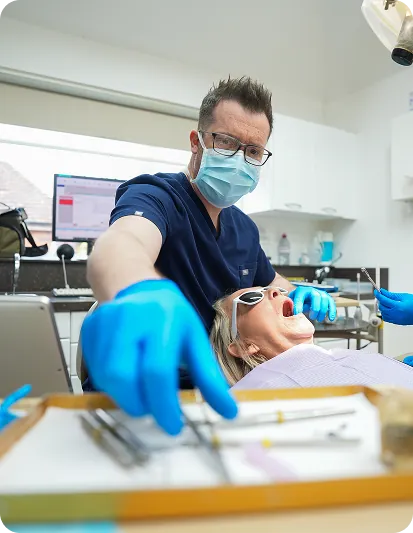
Explore a step-by-step explanation from consultation to aftercare with the clinician during an assessment.
Bring an up-to-date list of medications and any recent medical reports to your consultation so the clinician can assess suitability accurately.
Prepare any questions in advance about each stage from consultation to aftercare so the team can give a step-by-step explanation during your visit.
Arrange for someone to accompany you if the team advises an escort or if you prefer support at the appointment.
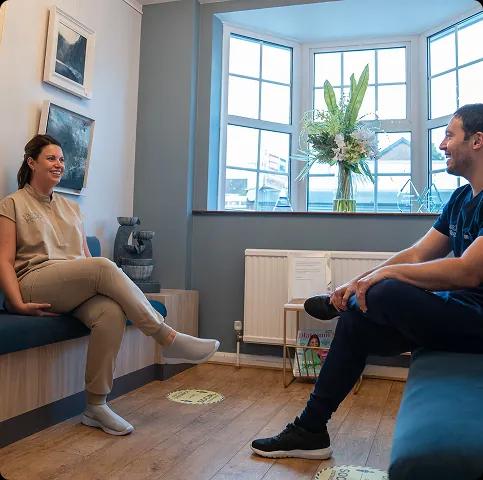
Follow the written aftercare instructions provided at the end of your appointment and contact the practice if concerns arise.
Avoid driving or operating machinery only if the practice advises this for your specific procedure and follow any individual guidance given.
Call the practice promptly if you experience unexpected pain, prolonged drowsiness or other concerns following sedation.
Patients from Hockley are welcome to book consultation appointments at Start Smiling’s Ingatestone practice. Before travelling, call the practice to discuss suitability, current appointment options and any preparatory instructions so you arrive informed and ready for your consultation.