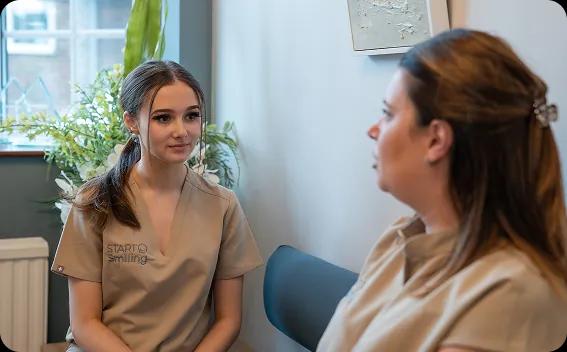
Consultation And Assessment
01
A consultation gives you time to discuss dental anxiety, medical history, sedation suitability, benefits, risks and other options before deciding on care.
Strong dental anxiety, a persistent gag reflex or previous traumatic dental experiences can make it hard to get the treatment you need. Patients from Leigh-on-Sea often want clear information about how sedation works and how escort arrangements are decided before they book. At Start Smiling Dental Practice in Ingatestone we begin with an open conversation so you understand conscious sedation and other relaxation options, how an escort plan is determined by clinical advice, what monitoring and recovery checks apply, and when non‑sedation support may be appropriate. This helps you decide whether sedation dentistry is the right approach for a particular appointment.
Start Smiling offers private sedation dentistry consultations at its Ingatestone practice for adults seeking help with dental anxiety or complex procedures. Conscious sedation uses medication to reduce anxiety while you remain conscious and able to respond; local anaesthetic may also be used when clinically indicated. The team does not promise specific methods until they confirm what is available for your appointment, and they will explain what monitoring and recovery assessment will apply.
Before any sedation proceeds, we take a full medical history, review current medications and assess your dental needs so risks and alternatives can be considered. The practice explains estimated costs related to the sedation method, appointment length and planned treatment before you decide to proceed, and it provides tailored aftercare instructions when sedation is used.

What We Cover At Your Appointment
A consultation gives you time to discuss dental anxiety, medical history, sedation suitability, benefits, risks and other options before deciding on care.
Clinical advice determines whether you need an escort home, who should accompany you and what arrangements keep you safe on the day; the team explains these recommendations clearly.
The practice will outline the monitoring checks and equipment that apply to your appointment and confirm what will happen during the procedure if sedation is used.
We explore non‑sedation relaxation options and behavioural approaches as possible alternatives, so you can weigh medication against other ways of managing anxiety.
You receive personalised guidance about what to expect after treatment, including activity advice and when to seek help if you have concerns.
The team explains how sedation may affect appointment time, recovery and any need to schedule longer or staged visits for complex work.
You are invited to ask about likely benefits, possible risks and alternative approaches so you can give informed consent before any treatment starts.
The practice advises on arrival time and what to bring, including documentation of medications and details for any escort if clinical advice indicates one is needed.
Dentists discuss sedation and relaxation options in individual consultations to help you make an informed choice.
We review your medical history and medications to determine safety and suitability for sedation.
The team explains likely benefits, risks and practical implications before you agree to treatment.
You receive an estimate for sedation and treatment costs so you know the likely fees in advance.
When sedation is used the practice follows clinical monitoring and recovery checks as part of care.
Non‑sedation techniques and relaxation options are discussed alongside pharmacological approaches.
Your appointment starts with a talk about your concerns, previous experiences and what you hope to achieve.
We review your health, current medications and any medical risks to judge whether sedation is appropriate.
The dentist explains possible relaxation or sedation approaches, likely benefits and limitations, and answers your questions.
A treatment plan sets out the proposed procedures, likely appointment structure and any sedation‑related arrangements you will need.
If sedation is used, agreed monitoring takes place throughout the procedure and the team follows established safety checks.
Staff assess your recovery and give personalised aftercare instructions, including any escort or activity guidance based on clinical advice.
Whether sedation dentistry is right for you depends on your medical background, the nature of the dental work and your personal preferences. Some patients find that medication helps them complete necessary treatment, while others prefer non‑pharmacological support; the practice will discuss likely benefits and limitations during assessment so you can make an informed choice.
Escort plans and driving restrictions are decided on a case‑by‑case basis. The dental team determines what is appropriate based on the chosen approach, your medical history and how the medication is expected to affect you, and they provide explicit instructions about who should accompany you and what to arrange for the day of treatment.
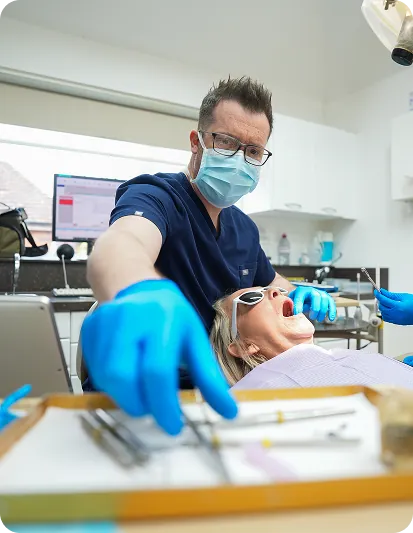
Explore how an escort plan is determined by clinical advice with the clinician during an assessment.
Bring a current list of all medications and any relevant medical information to your consultation.
Tell the team about past experiences of dental care and any reactions to medications so suitability can be assessed.
Discuss transport and escort needs with the practice when you book so recommendations can be planned in advance.
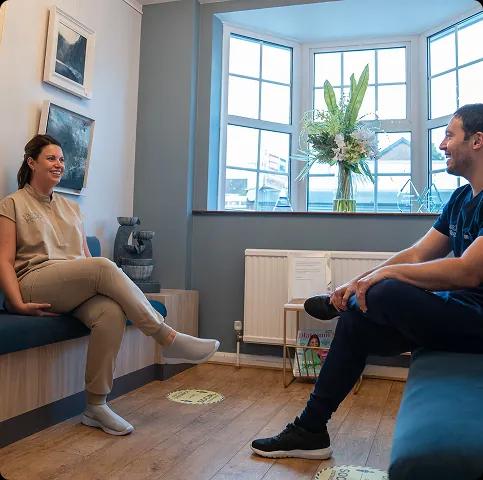
Follow the personalised aftercare instructions given at the practice, and confirm when it is safe to resume normal activities.
Avoid driving or operating machinery if the clinical advice for your appointment indicates you should not travel alone.
Contact the practice promptly if you experience unexpected or concerning symptoms after sedation.
Start Smiling Dental Practice is based in Ingatestone and accepts private sedation dentistry patients who travel from Leigh-on-Sea. When you book, discuss appointment timing, escort needs and any transport concerns so the team can provide tailored guidance for your visit.