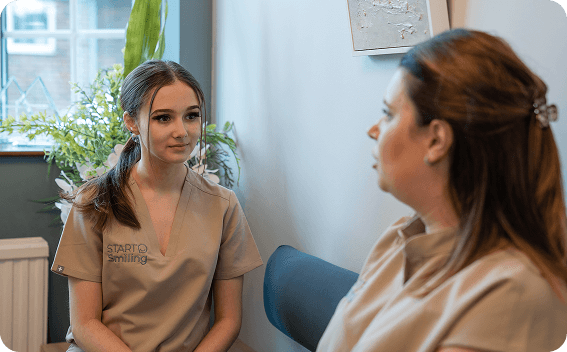
Consultation And Assessment
01
A consultation gives you time to discuss dental anxiety, medical history, sedation suitability, benefits, risks and other options before deciding on care.
Worried about how you'll cope after sedation or what recovery will involve? Many patients delay care because they are uncertain about monitoring, escort arrangements or time off work following medication, so Start Smiling focuses on planning recovery as part of the assessment. At the Ingatestone practice we discuss relaxation and conscious sedation options individually, review your medical history and medicines, outline likely clinical monitoring and recovery arrangements, and answer practical questions about escorts, driving and aftercare specific to the sedation method being considered so you can make a clear plan before treatment.
Start Smiling sees private patients from Little Baddow and surrounding areas at its practice in Ingatestone and discusses whether sedation or relaxation approaches are suitable for each person’s dental needs.
Before any sedation is used the dentist carries out an assessment, explains likely monitoring and recovery checks, and provides a tailored cost estimate so you understand options and next steps before you decide.
Clear Answers To Common Patient Concerns About Sedation And Recovery Planning
A consultation gives you time to discuss dental anxiety, medical history, sedation suitability, benefits, risks and other options before deciding on care.
If you prefer to avoid sedation the team can explain non-sedation strategies and staged care that may help you manage appointments more comfortably.
Conscious sedation uses medication so you remain awake and able to respond; the dentist will explain how this differs from general anaesthesia and when local anaesthetic may also be used.
A thorough review of medical history and current medicines helps identify which sedation options are appropriate and how recovery monitoring may need to be adapted.
Where sedation is used appropriate clinical monitoring and recovery assessments are carried out and the team will explain what to expect during your recovery period.
Costs vary by sedation method, appointment length and treatment; the practice provides a clear estimate and discusses consent and alternatives before you proceed.
We help you plan practical aftercare including whether an escort is likely to be needed, how long you may need to rest and who to contact if you have concerns after the appointment.
Some patients benefit from shorter appointments, relaxation techniques or staged treatment and the team will discuss these as alternatives to sedation.
The team carries out individual assessments to consider your medical background, medicines and dental requirements before recommending any relaxation or sedation option.
We explain likely monitoring, recovery arrangements and alternatives so you can arrange escorts, time off work and any home support in advance.
Staff discuss both sedation and relaxation approaches tailored to each person’s experience of anxiety, previous dental care and treatment goals.
Appointments are provided privately at the Ingatestone practice and the team gives treatment plans and cost estimates before you decide to proceed.
When sedation is used appropriate clinical monitoring and recovery checks form part of the care and are explained during assessment.
Sedation may be appropriate for longer or more complex appointments, while some patients are managed successfully without medication after discussion of alternatives.
You will describe what makes dental visits difficult so the team can understand your fears, past experiences and any specific recovery concerns you want to plan for.
A detailed review of your health and medicines helps determine whether sedation is suitable and how recovery monitoring may need to be tailored to you.
The dentist will explain conscious sedation, possible alternatives and the typical monitoring and recovery expectations for the methods being considered while making clear that final recommendations follow assessment.
If sedation looks appropriate the team will plan the appointment, outline aftercare steps to arrange in advance and provide a cost estimate relevant to the chosen method and dental work.
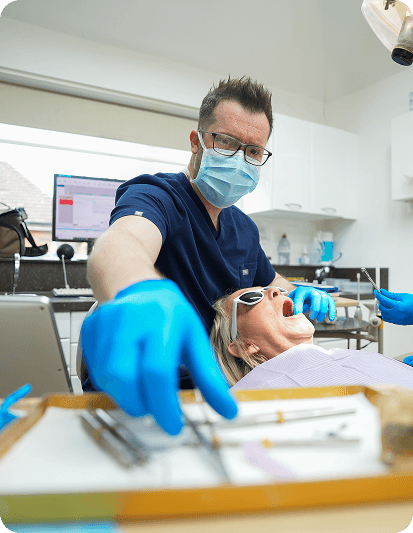
During treatment appropriate clinical monitoring is carried out and local anaesthetic may be used when clinically indicated in addition to any sedation medication.
After treatment staff assess your recovery and give written, method-specific aftercare instructions and contact details to use if you have concerns once you are at home.
Sedation dentistry may suit adults who have severe dental anxiety, a strong gag reflex or a need for longer or complex treatment that would otherwise be difficult to tolerate, but the choice depends on your health, medicines and the work required and is confirmed after assessment.
If you are chiefly concerned about recovery planning bring up specific questions at your consultation such as likely monitoring steps, whether an escort will be required, how long you may need to rest and when it will be safe to drive or return to normal activities so the team can tailor advice to the method being considered.
Ask about instructions specific to the planned sedation approach before making arrangements.
Bring a current list of medicines and any recent medical letters to your assessment appointment.
Be ready to explain previous reactions to dental care or sedation and any concerns about recovery you want the team to address.
Plan likely time off work and who can help you at home depending on the aftercare guidance you are given.
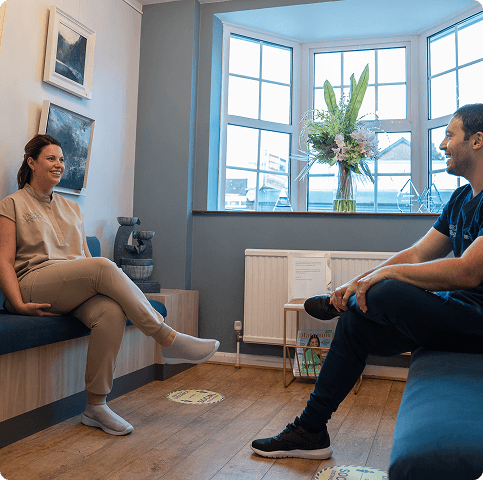
Follow the written aftercare instructions provided for the sedation method used and contact the practice promptly if you have unexpected symptoms.
Do not assume you can drive or perform important tasks until the practice confirms it is safe for you to do so after recovery.
Arrange for someone to stay with you or collect you on the day if this is advised during your assessment.
Patients from Little Baddow are welcome to book a consultation at Start Smiling’s Ingatestone practice to discuss sedation, conscious sedation and relaxation dentistry; during your visit we will focus on suitability, monitoring and planning the recovery steps most important to you.