Consultation And Assessment
01
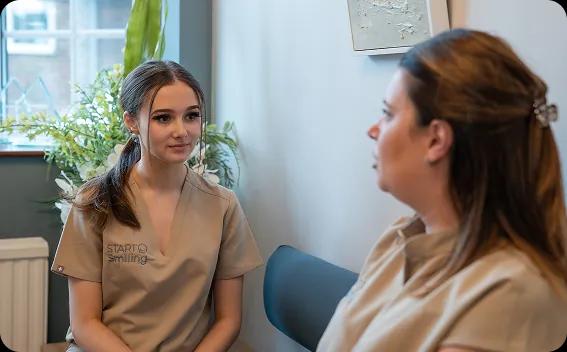
A consultation gives you time to discuss dental anxiety, medical history, sedation suitability, benefits, risks and other options before deciding on care.
If previous appointments leave you uneasy about control or the idea of losing responsiveness, that specific worry is important to address when considering sedation. Patients from Maldon often ask whether they will remain conscious and able to respond during treatment; conscious sedation uses medication to reduce anxiety while you stay awake and typically able to follow instructions, which differs from general anaesthesia. Start Smiling Dental Practice in Ingatestone will offer a private discussion of conscious sedation alongside relaxation and non-sedation approaches, explaining suitability, likely monitoring and how recovery and aftercare are managed so you can choose with confidence.
Start Smiling offers private sedation and relaxation dentistry consultations at its Ingatestone practice so that patients from Maldon can discuss anxiety, responsiveness and suitable options in person. Appointments focus on a tailored assessment of your dental needs, medical history and any medications, and the clinician will explain risks, alternatives and what monitoring and recovery checks would apply for your situation.
Fees depend on the sedation approach, the complexity of the dental treatment and appointment length; before you agree to proceed the practice provides a clear estimate for the care proposed. The team can confirm which options are available to you during the suitability assessment rather than promising a particular method in advance.
Practical Points To Help You Decide About Sedation Or Relaxation Dentistry
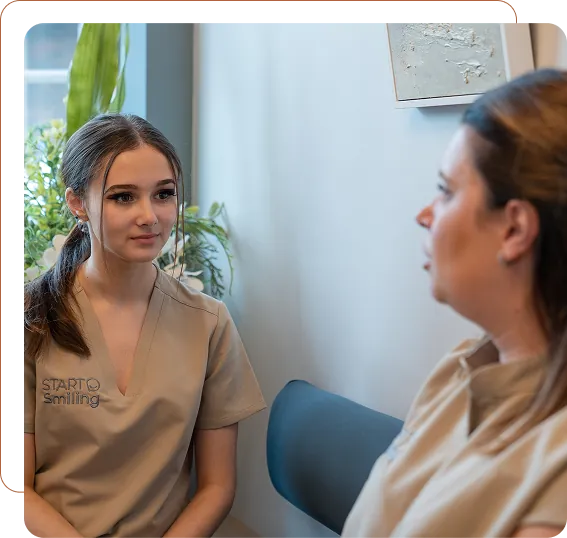
A consultation gives you time to discuss dental anxiety, medical history, sedation suitability, benefits, risks and other options before deciding on care.
Clear information about how conscious sedation typically reduces anxiety while you remain awake and usually able to respond helps address fears of loss of control.
Sedation may make a strong gag reflex or sensitivity more manageable for some patients, though non-sedation alternatives are also discussed.
Relaxation dentistry, staged treatment and the selective use of local anaesthetic where clinically indicated are offered as alternatives that some patients prefer.
The clinician will explain the monitoring and recovery checks that apply to any chosen sedation method and confirm specifics during assessment.
Aftercare instructions and a recovery assessment are given so you know what to expect after sedation is used and when it is safe to leave the practice.
Useful questions include how the team will check your responsiveness during treatment and what immediate steps they take if you feel uncomfortable.
You receive a personalised estimate based on the sedation approach and planned treatment time before giving consent to proceed.
Clinicians make recommendations based on your health, medications and the dental treatment required rather than applying a single pathway to everyone.
The team will talk through how responsiveness is maintained and checked during conscious sedation so you can resolve specific concerns.
Consultations focus on your questions and give time to weigh sedation against non-sedation options and relaxation approaches.
You will be given balanced information about potential benefits, limitations and alternatives so consent is informed.
Appropriate recovery checks and aftercare instructions apply whenever sedation is used and are confirmed for your chosen approach.
Estimates reflect the chosen sedation method, treatment complexity and appointment length and are explained before you decide.
You describe previous dental experiences, current anxieties and any specific concerns such as fear of losing responsiveness so the clinician understands your priorities.
A thorough review of general health, current medicines and relevant conditions determines whether sedation is appropriate and safe for you.
Clinicians explain conscious sedation alongside relaxation and non-sedation approaches and will answer practical questions about monitoring and recovery.
A proposed sequence of care, likely appointment length and decisions about whether sedation is needed are documented and explained to you.
If sedation is agreed, the team applies clinical monitoring throughout the appointment and describes how responsiveness is checked while you remain awake.
You are observed until the clinician is satisfied with your recovery and then given personalised aftercare information relevant to the sedation method used.
Sedation may be considered when anxiety or a strong gag reflex makes it hard to accept dental treatment, or when multiple procedures are planned and a calmer experience would improve tolerance. Whether sedation is suitable depends on your health, current medications and the specifics of the dental work required, so suitability is established on an individual basis.
If your main worry is about remaining conscious and responsive, the team will explain how conscious sedation typically affects awareness and how responsiveness is assessed during treatment. Some patients decide that relaxation techniques or staged appointments without sedation are a better fit; these alternatives will be discussed so you can choose with full information.
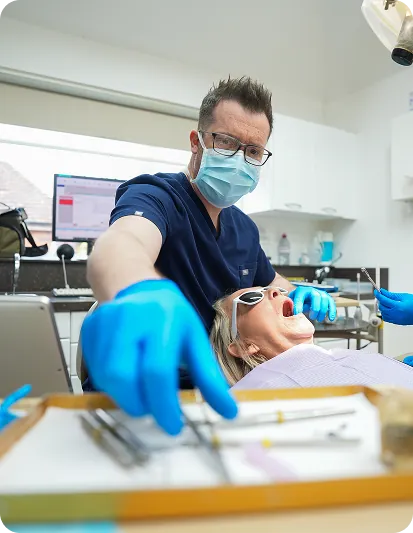
Explore discussing worries about remaining conscious and responsive with the clinician during an assessment.
Bring an up-to-date list of all medicines and any recent medical information to your appointment.
Tell the team about any previous reactions to sedatives, anaesthetics or other medicines before treatment.
Prepare questions about how responsiveness will be monitored and what to expect during recovery.
Follow the personalised aftercare instructions given at your appointment rather than relying on general guidance.
Arrange for someone to accompany you if the clinician advises an escort or a driving restriction.
Plan to rest and avoid certain activities until the practice confirms it is safe for you to resume them.
If you travel from Maldon to explore sedation or relaxation dentistry, Start Smiling’s Ingatestone practice can provide a private consultation to review options and practical arrangements; the team will confirm appointment details when you contact them.