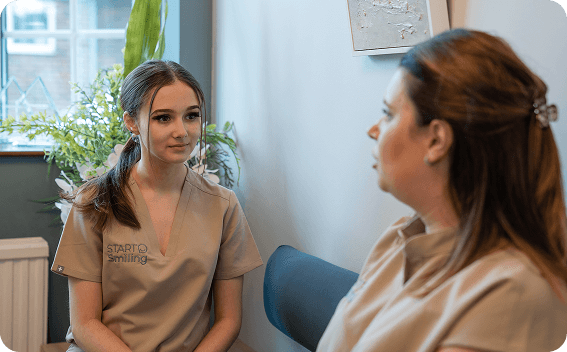
Consultation And Assessment
01
A consultation gives you time to discuss dental anxiety, medical history, sedation suitability, benefits, risks and other options before deciding on care.
Avoiding the dentist because of anxiety or a strong gag reflex can let small problems become bigger and leave you feeling stressed. If you want to stay in control during treatment, Start Smiling’s team discusses conscious sedation, relaxation options and personalised non-sedation support at its Ingatestone practice. We make time to cover medical history, current medicines and the dental work you need, and to agree practical approaches such as a simple stop signal and opportunities to ask questions during an appointment. The clinician explains likely monitoring, recovery checks and alternatives, and gives a clear cost estimate so you can decide whether sedation or another route is patient-focused for you.
Start Smiling provides private sedation and relaxation dentistry from its Ingatestone practice for patients living in Mountnessing and nearby. Conscious sedation involves medication to reduce anxiety while you remain conscious and able to respond; local anaesthetic may also be used when clinically indicated. The team will discuss whether sedation or non-sedation relaxation measures are appropriate for your needs and will explain what to expect in terms of monitoring and recovery planning.
A suitability assessment looks at your medical history, current medicines and the dental treatment required, and discusses risks and alternatives so you can give informed consent. Specific sedation methods, escort or driving restrictions and precise aftercare instructions depend on the approach agreed and are confirmed at assessment. Costs vary by sedation method, appointment length and treatment and a clear estimate is provided before you decide to proceed.
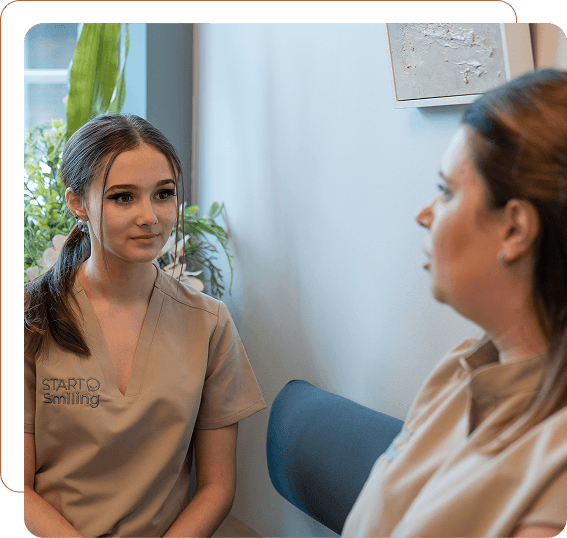
How Sedation And Relaxation Support Helps You
A consultation gives you time to discuss dental anxiety, medical history, sedation suitability, benefits, risks and other options before deciding on care.
Sedation can make longer or more complex procedures more tolerable for some patients, allowing necessary treatment to proceed with planned monitoring.
For people with a strong gag reflex, sedation or targeted support may improve comfort and allow certain treatments to be completed more easily.
Many patients benefit from relaxation techniques, careful pacing and local anaesthetic instead of sedation after discussion with the clinical team.
Clinicians explain how monitoring will work and invite you to ask questions at any time; you can use your agreed stop signal if you need a pause.
When sedation is used, the team assesses recovery before you leave and gives tailored aftercare guidance, including whether an escort is advised.
You are given clear information about risks, benefits and alternatives so you can make an informed choice about sedation or non-sedation care.
The team will advise what to bring to your appointment and will confirm any practical requirements, such as preparatory instructions relevant to your chosen approach.
Clinicians take time to understand your fears and explain options rather than assuming one approach fits all.
You are told that conscious sedation reduces anxiety while you remain awake and able to respond, and how that differs from general anaesthesia.
Assessments consider your medical history and current medicines to determine suitability and identify safer alternatives when needed.
A clear estimate for your treatment and any sedation is provided before you proceed so you understand private fees.
Where sedation is used, appropriate monitoring and a recovery assessment form part of the planned care.
The team encourages questions and agreeing a stop signal so you feel able to pause or discuss changes during treatment.
You begin with a calm discussion about your concerns, past experiences and what you want from treatment.
A clinician reviews your medical history, current medicines and any health conditions to judge suitability and safety.
The team explains possible relaxation or sedation routes, likely monitoring and what recovery may involve, and confirms availability after assessment.
You agree the treatment plan, any preparatory steps and how questions or a stop signal will be handled during the appointment.
If sedation is chosen, appropriate monitoring is used throughout and local anaesthetic may be applied when clinically indicated.
Recovery is assessed before you leave and you receive person-specific aftercare instructions and advice about escorts or driving if applicable.
Deciding whether sedation is right for you starts with an individual assessment that weighs your medical history, current medicines and the dental work required. Conscious sedation can help some people with treatment anxiety, a strong gag reflex or those needing longer appointments, but it is not subject to individual clinical assessment and discussion of potential risks and the team will discuss safer alternatives where appropriate.
Central to the practice’s approach is encouraging questions and agreeing a clear stop signal so you can stay in control during any procedure. The clinician explains likely monitoring, recovery checks and the risks and benefits so you can make an informed choice about sedation or non-sedation support.
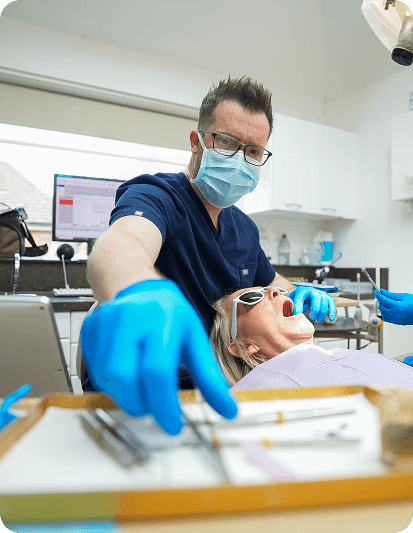
You can raise questions about control and communication before agreeing a plan.
Bring an up-to-date list of your medicines and any recent medical letters so the team can assess suitability.
Prepare the questions you want to ask and decide on a clear stop signal to use during treatment.
Follow any specific pre-appointment instructions the practice gives for your chosen method of sedation.
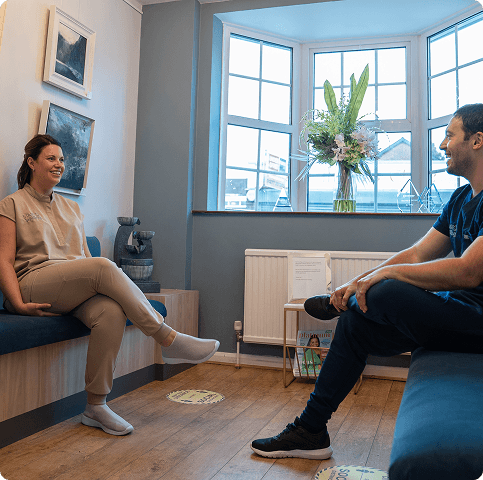
Arrange for an escort if the clinical team advises this and follow their individual guidance about travel after sedation.
Follow the personalised recovery instructions given by the clinician and contact the practice if you have concerns.
Avoid driving or operating machinery only if your clinical aftercare advice specifies this for your procedure.
Patients from Mountnessing are welcome to be seen at Start Smiling’s Ingatestone practice for sedation and relaxation dentistry. When you book, the team will confirm practical details you need to plan your visit, including access considerations and any preparatory instructions. Please tell the receptionist if you have mobility needs or require extra time for arrival.