Consultation And Assessment
01
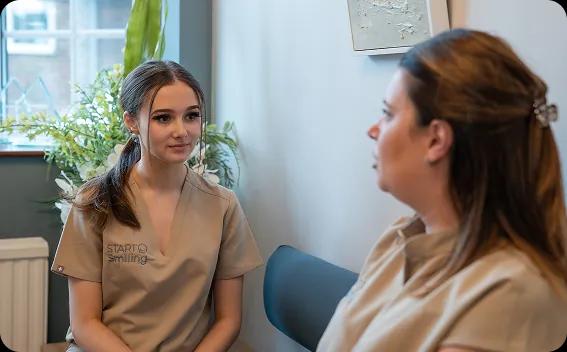
A consultation gives you time to discuss dental anxiety, medical history, sedation suitability, benefits, risks and other options before deciding on care.
Avoiding the dentist because of anxiety, a strong gag reflex or past negative experiences is common, and deciding whether to try relaxation support or book a sedation consultation can feel hard. If you are searching from Rainham, Start Smiling Dental Practice runs sedation and relaxation consultations at its Ingatestone practice where a suitability discussion covers how non-drug relaxation measures compare with conscious sedation assessments. The dentist will explain how medication may reduce anxiety while you remain conscious, how local anaesthetic might be used when needed, and what monitoring, recovery and alternatives should be considered before making a decision.
Start Smiling offers private sedation and relaxation consultations for adult patients searching from Rainham who wish to explore clinical assessment and tailored options at the Ingatestone practice. A suitability discussion looks at your dental needs, medical history and any medicines you take so the team can explain how conscious sedation differs from general anaesthesia and when local anaesthetic may also be needed.
Exact sedation methods and appointment logistics are confirmed after an individual assessment; where sedation is used, appropriate monitoring, recovery assessment and aftercare instructions apply and the practice will explain any escort or driving guidance relevant to your situation.
Support Options And Practical Details
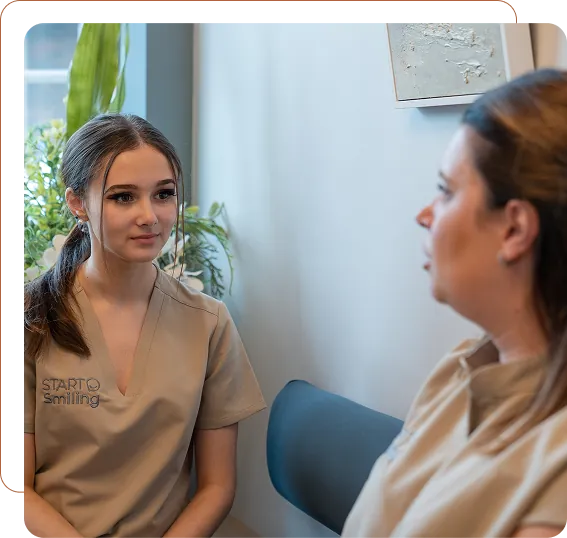
A consultation gives you time to discuss dental anxiety, medical history, sedation suitability, benefits, risks and other options before deciding on care.
The dentist will describe non-drug options such as appointment pacing or breathing techniques and explain when these measures might be tried alone rather than moving straight to a sedation consultation.
Sedation may be considered for severe anxiety, a reflex that prevents safe treatment, or for complex appointments that would otherwise be difficult to complete without medication to reduce worry.
Where sedation is chosen, the team outlines the monitoring and safety checks that apply to the specific method agreed during assessment and explains how recovery will be checked afterwards.
Private sedation costs vary by sedation method, appointment length and the dental treatment required; the practice provides an estimate during the consultation so you can decide whether to proceed.
Escort and driving restrictions depend on the sedation method and the individual instructions provided at assessment, so the team will advise you about any temporary limits on driving or travel.
Alternatives can include staged appointments, topical or local anaesthesia where clinically indicated, or referral to other support, and these are discussed as part of your assessment.
Prepare to compare relaxation support with a sedation consultation by listing current medicines, past reactions to anaesthetics, and questions about what monitoring and recovery would involve so the dentist can advise the patient-focused pathway.
Dentists assess sedation suitability within the context of your overall dental care, health and medicines to make a balanced recommendation.
The team explains the differences between relaxation measures and conscious sedation, and what monitoring and recovery to expect for each option.
Treatment and sedation options are tailored to your dental needs and anxiety levels following a full assessment and discussion of alternatives.
You receive an estimate for sedation and any planned dental treatment before any care begins, so costs are clear when you decide how to proceed.
Sedation discussions link directly with the necessary dental work, hygiene care and follow-up so the whole treatment plan is coordinated.
Appointments include time for practical questions so you understand the likely experience and any aftercare required following sedation or non-sedation care.
A short opening discussion identifies your immediate concerns, the dental work you need and whether relaxation techniques or a sedation assessment is most appropriate.
The team reviews your medical history, current medicines and any health factors relevant to sedation to determine suitability and safety.
Your dentist explains the range of approaches that may be appropriate, from non-drug relaxation measures to a conscious sedation pathway, and outlines risks and alternatives.
If sedation is suitable, the dentist outlines the treatment steps, monitoring needs and a recovery plan tailored to the chosen approach and the dental work planned.
During any sedated appointment clinical monitoring is used as appropriate and local anaesthetic may be given when indicated to manage pain.
After treatment, recovery is assessed and the practice provides personalised aftercare instructions and any escort guidance relevant to the sedation method chosen.
Some patients find that using relaxation support alone, such as a paced appointment schedule or simple coping strategies, allows them to complete dental care without medication; others reach a point where a formal sedation consultation is needed to enable treatment that would otherwise be too stressful. The patient-focused choice depends on the nature of the dental work, your previous experiences and how you respond to non-drug measures.
A sedation suitability assessment at the Ingatestone practice helps you weigh the immediate comfort offered by relaxation techniques against the potential benefits and considerations of conscious sedation, including monitoring, recovery planning and any temporary restrictions that may apply.
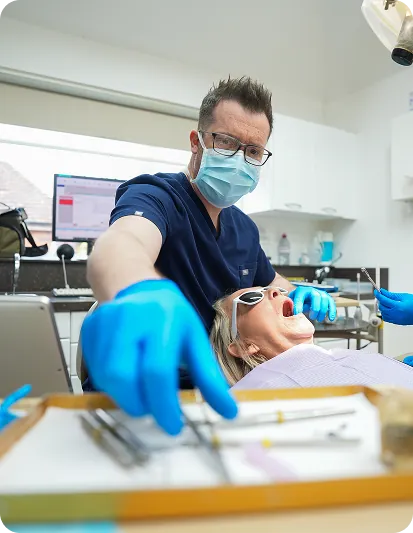
Explore comparing relaxation support with a sedation consultation with the clinician during an assessment.
Bring an up-to-date list of current medicines and any recent medical notes so the team can assess suitability.
Tell the team about any previous reactions to sedation or anaesthesia and note specific worries you want to compare between relaxation and sedation.
Prepare questions about how monitoring, recovery and escort arrangements would differ between relaxation-only care and a sedation pathway.
Follow the personalised recovery instructions the practice gives for your chosen sedation method.
Avoid driving or operating machinery until the practice confirms it is safe for you, based on the method used and your recovery assessment.
Arrange for someone to escort or support you after treatment if the practice advises this at assessment.
Patients searching from Rainham are welcome to attend a sedation and relaxation consultation at Start Smiling’s Ingatestone practice. Call to discuss appointment options and the team will confirm whether a sedation pathway or non-drug relaxation support is likely to be most suitable following your pre-appointment assessment.