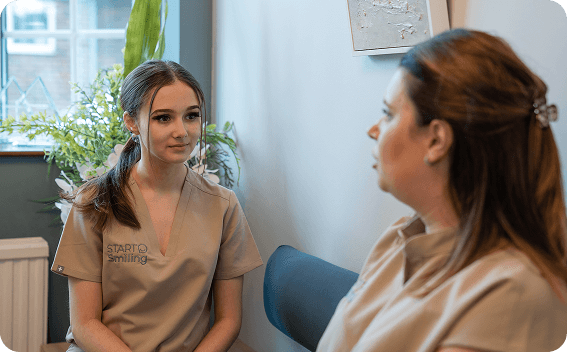
Consultation And Assessment
01
A consultation gives you time to discuss dental anxiety, medical history, sedation suitability, benefits, risks and other options before deciding on care.
When anxiety, a past bad experience or a strong gag reflex is keeping you from getting dental treatment, understanding the risks and alternatives before consenting to any medication is essential. For people searching from Romford, Start Smiling discusses conscious sedation and relaxation options at its Ingatestone practice so you can weigh benefits, likely monitoring and recovery arrangements alongside non-sedation approaches. The assessment covers your medical history, current medicines and dental needs, and the team explains how sedation might help, when local anaesthetic may still be used, and what sensible alternatives could make treatment possible without medication.
Start Smiling offers private consultations at the Ingatestone practice for patients coming from Romford who want to discuss sedation and relaxation dentistry. Conscious sedation involves medication to reduce anxiety while you remain awake and able to respond; it is not the same as general anaesthesia. The clinical assessment considers your medical history, current medicines and the dental treatment required so the team can explain risks, monitoring and recovery checks that apply to any recommended option.
Sedation may help when dental anxiety, a strong gag reflex or lengthy procedures make routine care difficult, but it is not automatically necessary or subject to individual clinical assessment and discussion of potential risks. Start Smiling will explain non-sedation alternatives and provide a cost estimate that reflects the chosen method, appointment length and the planned dental work before you decide to proceed.
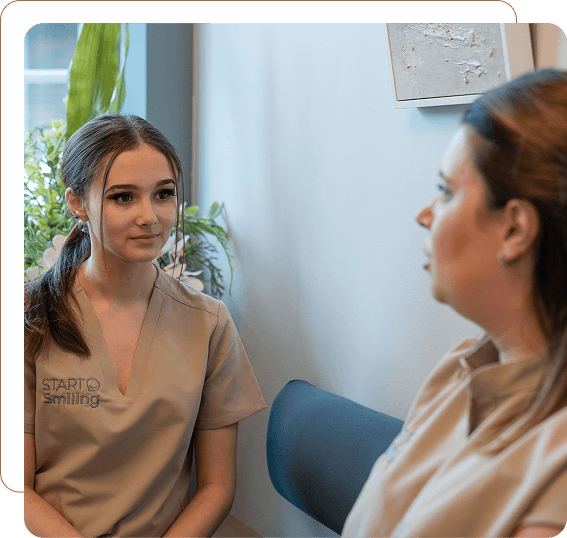
Key Points To Discuss At Your Sedation Assessment
A consultation gives you time to discuss dental anxiety, medical history, sedation suitability, benefits, risks and other options before deciding on care.
We explain the potential risks linked to sedation and compare non-sedation approaches so you can make an informed decision tailored to your health and the treatment planned.
Conscious sedation uses medication to reduce anxiety while you remain conscious and able to respond; local anaesthetic may also be recommended when clinically indicated.
The team describes the clinical monitoring and recovery checks that are relevant to any chosen sedation method and how these will be managed at the practice.
Sedation can affect how long appointments last and whether treatment is staged; the team discusses likely timing and sequencing at your consultation.
Advice about whether you need an escort or should avoid driving depends on the method used and any individual clinical instructions provided after assessment.
Fees vary by sedation method, appointment length and the dental treatment required; the practice provides an estimate before you choose to proceed.
Bring questions about risks, alternatives, recovery expectations and how sedation fits with the proposed dental work so you can consent with confidence.
The clinical team explains relaxation and sedation in clear terms and assesses each patient’s suitability individually.
Decisions about sedation follow a review of medical history, medications and the dental treatment required rather than a one-size-fits-all approach.
We outline benefits, likely monitoring and alternatives so you can understand risks before agreeing to sedation.
Where sedation is used, recovery checks and written aftercare instructions are provided and any escort or driving guidance is explained.
The practice explains how costs are calculated and provides an estimate prior to any treatment that involves sedation.
Some people are helped by non-sedation approaches; the team discusses staged appointments, extra support for relaxation and local anaesthesia where appropriate.
You and the clinician discuss why you seek sedation, the dental procedures needed and your main concerns so the consultation can focus on what matters to you.
A review of your general health, current medicines and any previous reactions to sedation or anaesthetics helps determine suitability and safety considerations.
The dentist explains conscious sedation, the possible role of local anaesthetic and non-sedation alternatives, noting that the team will confirm which options are available during assessment.
A treatment plan is agreed that sequences procedures, estimates appointment length and sets out monitoring needs and recovery expectations.
If sedation is used, the practice provides appropriate clinical monitoring and recovery assessment as explained at your assessment.
After treatment you receive written aftercare instructions and specific guidance about escort or driving restrictions where applicable; follow-up arrangements are confirmed before you leave.
Deciding whether sedation is right for you starts with understanding the risks and the realistic alternatives so you can give informed consent. The assessment is designed to help you weigh how sedation might reduce anxiety against factors such as your medical history, current medicines and the nature of the dental work, and to explain monitoring and recovery steps that matter to safety.
If you prefer to avoid medication-based sedation, the practice will discuss other options such as staged treatment, extra support for relaxation or additional local anaesthesia where clinically appropriate. The team will explain how each choice may affect comfort, appointment length and the practical arrangements you need to make before and after treatment.
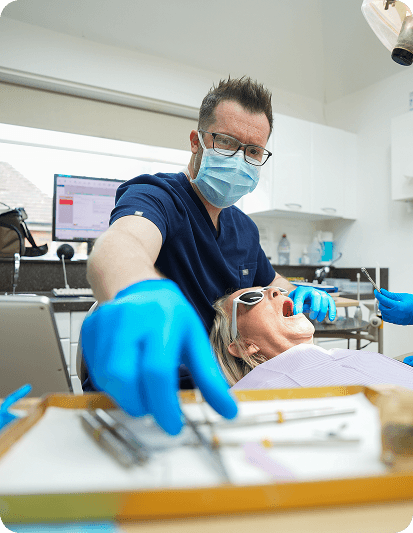
Explore understanding risks and alternatives before consenting with the clinician during an assessment.
Bring a list of current medicines and any relevant medical records to your assessment.
Wear comfortable, loose clothing so monitoring equipment can be applied easily if sedation is used.
Arrange for someone to accompany you if the practice advises an escort for your chosen method.
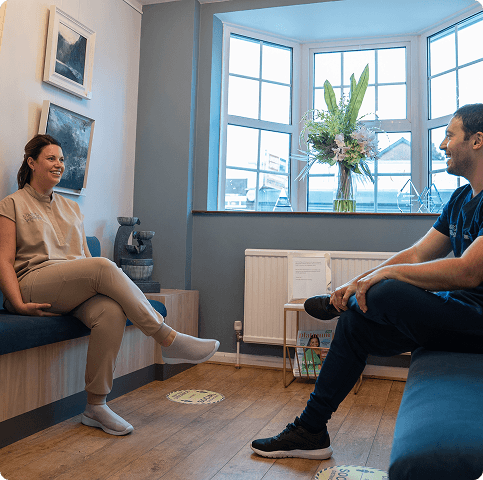
Follow any specific pre-appointment instructions the practice gives you for the selected sedation option.
Expect written aftercare advice after treatment and contact details for post-appointment concerns.
Do not assume driving is permitted after sedation; follow the practice’s individual guidance before planning transport.
Patients from Romford are seen for sedation and relaxation dentistry at Start Smiling’s Ingatestone practice; suitability, monitoring and aftercare are explained at assessment so you can plan transport and any necessary accompaniment in advance.